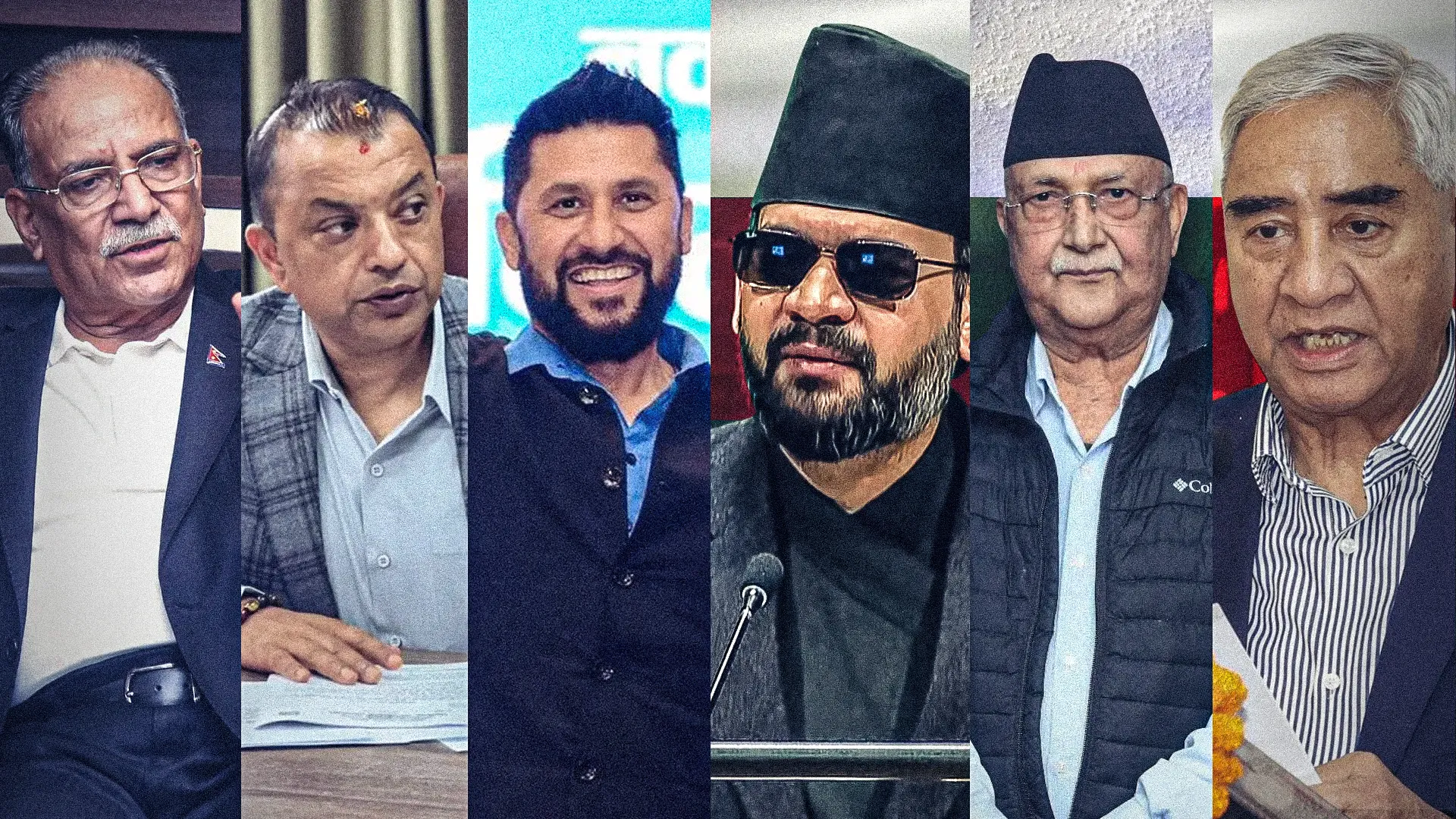



MPs say, “Speaker and committee posts are merely dumping grounds politically—being a minister is better than being Speaker.”
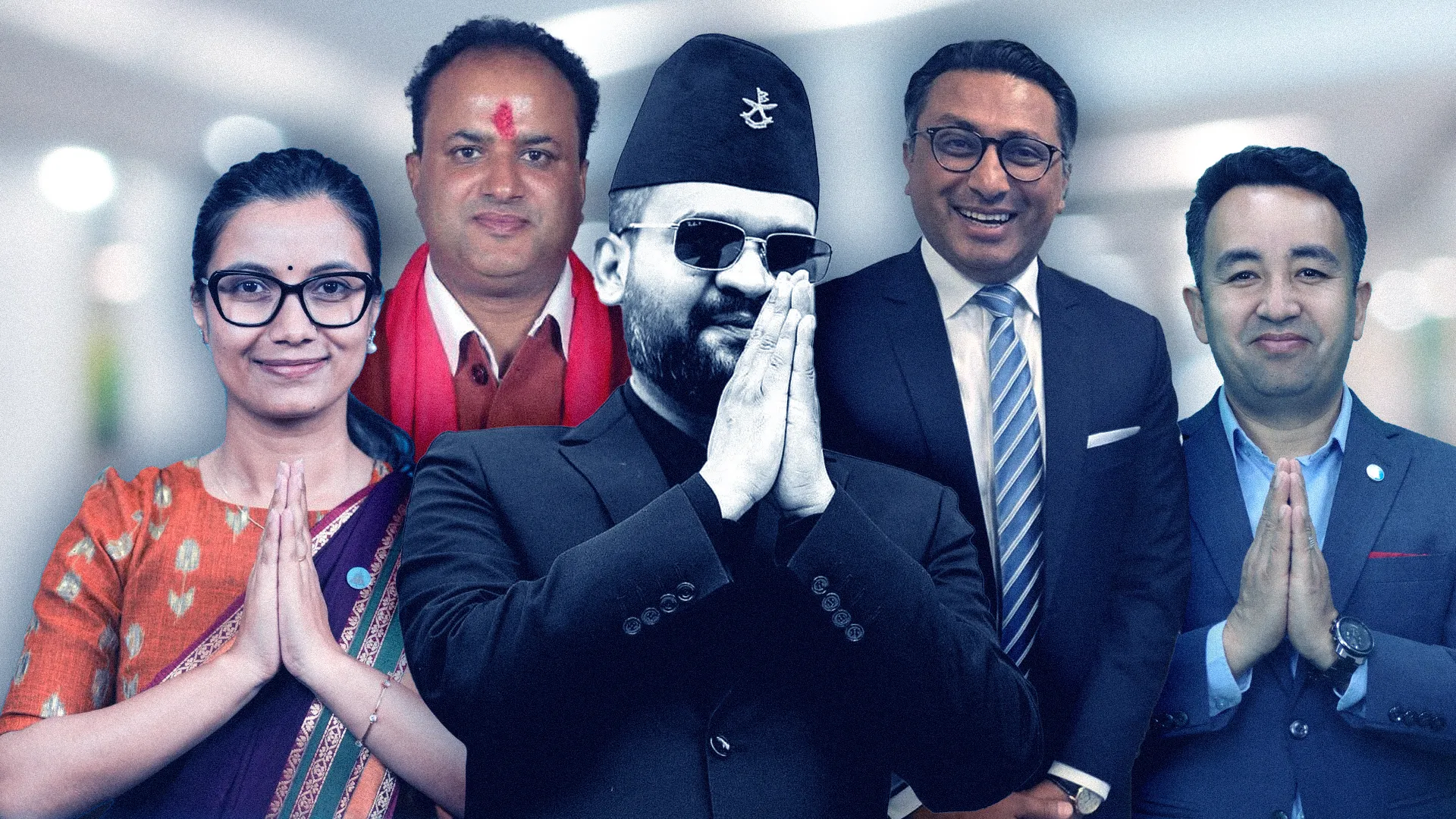
Kathmandu — A new government is set to be formed within the next few days under the leadership of Balen Shah, the prime ministerial candidate from the Rastriya Swatantra Party (RSP). While a new power equation is being shaped in Singha Durbar, an unusual and serious situation has emerged in political circles—almost all MPs are focused solely on the executive (government), while showing extreme disinterest toward the legislature (Parliament), which is responsible for lawmaking.
The attraction of Singha Durbar has grown so strong compared to the Parliament building that nearly all MPs within the ruling alliance are engaged in a race to become ministers. However, no one is showing interest in becoming Speaker, Deputy Speaker, or even chairpersons of important parliamentary committees.
Reluctance to Lead Parliament Due to ‘Fear of Being Sidelined’
In a democratic system, Parliament is considered the supreme institution. However, on the eve of forming a new government, MPs have begun describing parliamentary roles as “dumping grounds.”
An MP actively involved in government formation, speaking on condition of anonymity, said, “Rather than presiding over Parliament as Speaker or engaging in committee discussions, exercising executive power as a minister is far more rewarding. Those positions are merely places where politicians are sidelined and rendered inactive—being a minister is better than being Speaker.”
In previous parliaments as well, there was a trend where MPs accepted committee chairmanships or parliamentary posts only after failing to secure ministerial positions. This time, however, MPs have openly expressed disinterest in the legislature from the very beginning.

Interested in this ad?
Would you like to continue to the link or provide your information for more details?
Please provide your information
To continue, please fill in your details
House of Representatives Being Overshadowed
This mindset among MPs raises serious concerns about the balance of power (checks and balances) within the parliamentary system. In a democracy, the legislature’s primary responsibility is to hold the executive accountable and oversee government activities. Parliamentary committees are often referred to as “mini parliaments,” tasked with detailed scrutiny of ministries.
However, when MPs themselves hesitate to lead Parliament and focus solely on becoming ministers, it becomes inevitable that the House of Representatives will be sidelined. Political analysts warn that if all capable and influential MPs are absorbed into the executive, Parliament and its committees risk becoming a “helpless shadow” or merely a “rubber stamp” of the government.
A Dual Challenge for Balen Shah
In the coming days, Balen Shah is set to take charge of Singha Durbar. While he faces the immediate challenge of managing a long list of ministerial aspirants and completing the cabinet formation, a larger challenge lies ahead—ensuring that Parliament remains dignified and effective.
As he leads the government, how Shah and top leaders of coalition partners maintain institutional balance by strengthening the legislature and assigning capable MPs to parliamentary leadership roles remains to be seen. For now, however, it is evident that the dignity and importance of Parliament are fading in comparison to the allure of ministerial power.