


The immediate pressure on Nepal's agricultural sector is set to ease following a bilateral agreement secured despite ongoing global supply chain constraints and shrinking international fertilizer availability. Under a government-to-government framework, India has committed to providing 50,000 metric tons of essential chemical fertilizers to Nepal in its opening phase. This strategic allocation, consisting of 30,000 metric tons of urea and 20,000 metric tons of DAP, comes as a direct response to a special diplomatic request made by the Government of Nepal to protect its seasonal crop yields.
The logistical framework for this massive cross-border transfer was formally greenlit after Nepal's cabinet granted policy approval last April to procure a total of 60,000 metric tons of urea and 40,000 metric tons of DAP. According to Dr. Ram Krishna Shrestha, Chairman of Krishi Samagri Company Limited and Joint Secretary at the Ministry of Agriculture, Forestry, and Environment, commercial operations have commenced. The transaction links Nepal's state-owned Krishi Samagri Company Limited with India's Rashtriya Chemicals and Fertilizers Limited, establishing a direct pipeline that bypasses traditional commercial intermediaries to guarantee subsidized pricing.

Interested in this ad?
Would you like to continue to the link or provide your information for more details?
Please provide your information
To continue, please fill in your details
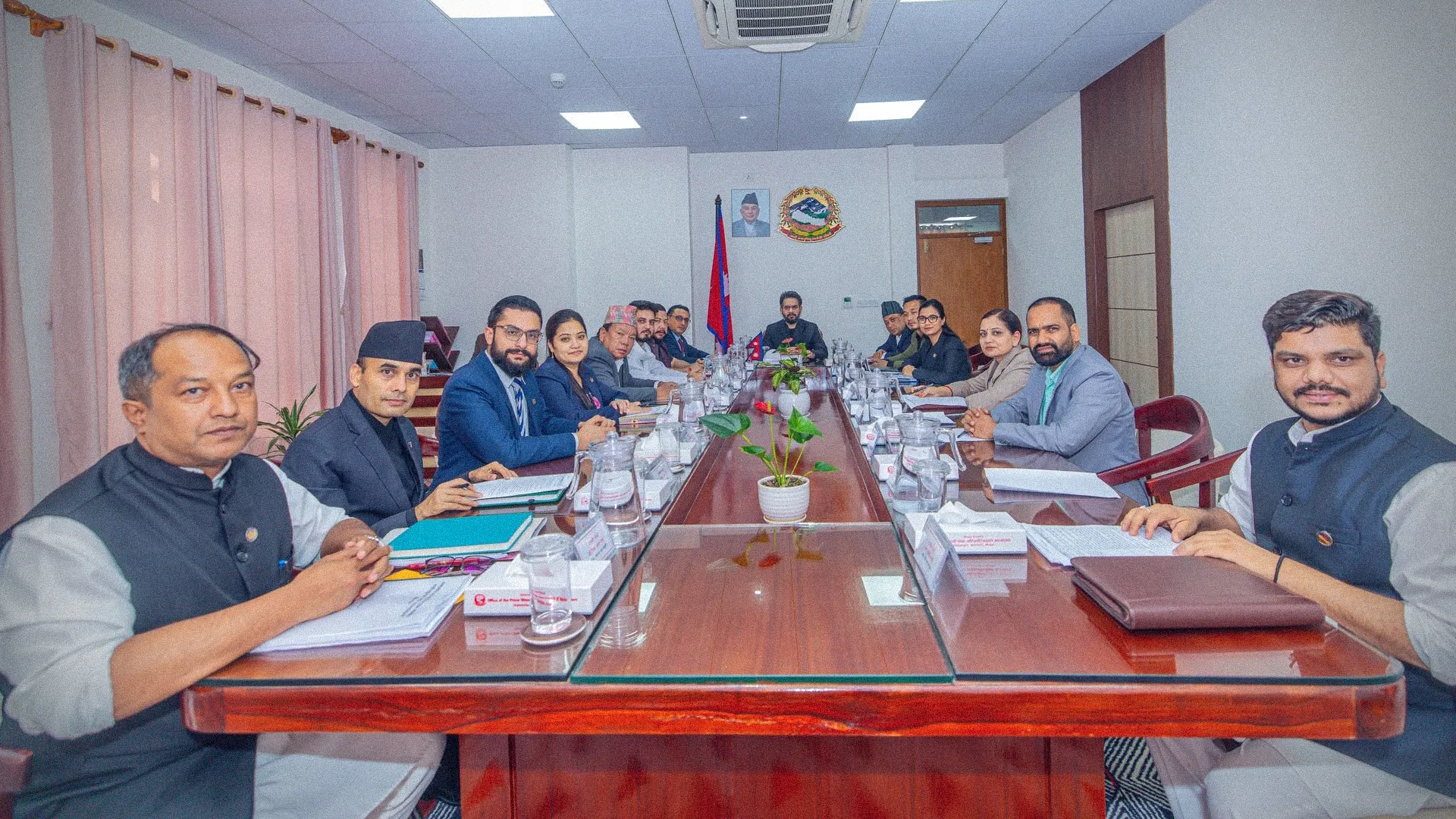
Final volumes and financial parameters were vetted during a virtual session of the Joint Steering Committee, co-chaired by Dr. Shrestha and his counterpart from the Indian Department of Fertilizers. Recognizing Nepal's internal fiscal parameters and available resources, the committee formalized the initial order. Krishi Samagri Company Limited has already issued the formal purchase order and delivery mandate, leaving the bilateral financial transfer in its concluding stages before transport operations begin at the production sites.
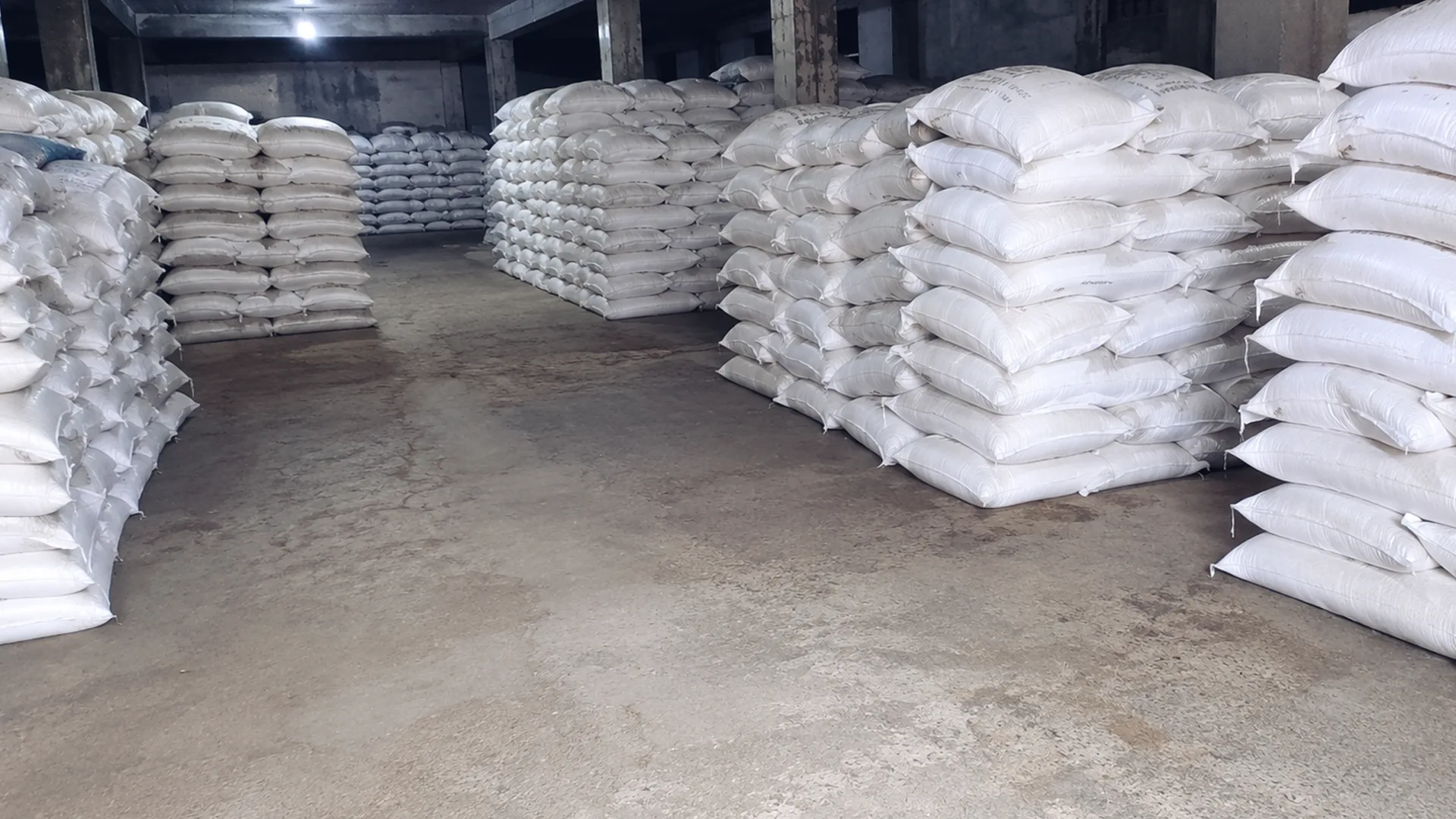
While the original contract permits a 120-day delivery window from the receipt of the purchase order, Nepali officials have requested an expedited shipping timeline to accommodate active cultivation schedules. Indian authorities have responded favorably, pledging to coordinate with regional suppliers to shorten the transit duration. Current ministry records indicate that Nepal holds internal reserves of 80,900 metric tons of urea and 40,760 metric tons of DAP, alongside balanced stocks of potash, ensuring that this incoming shipment will directly fortify the nation's long-term agricultural stability.