


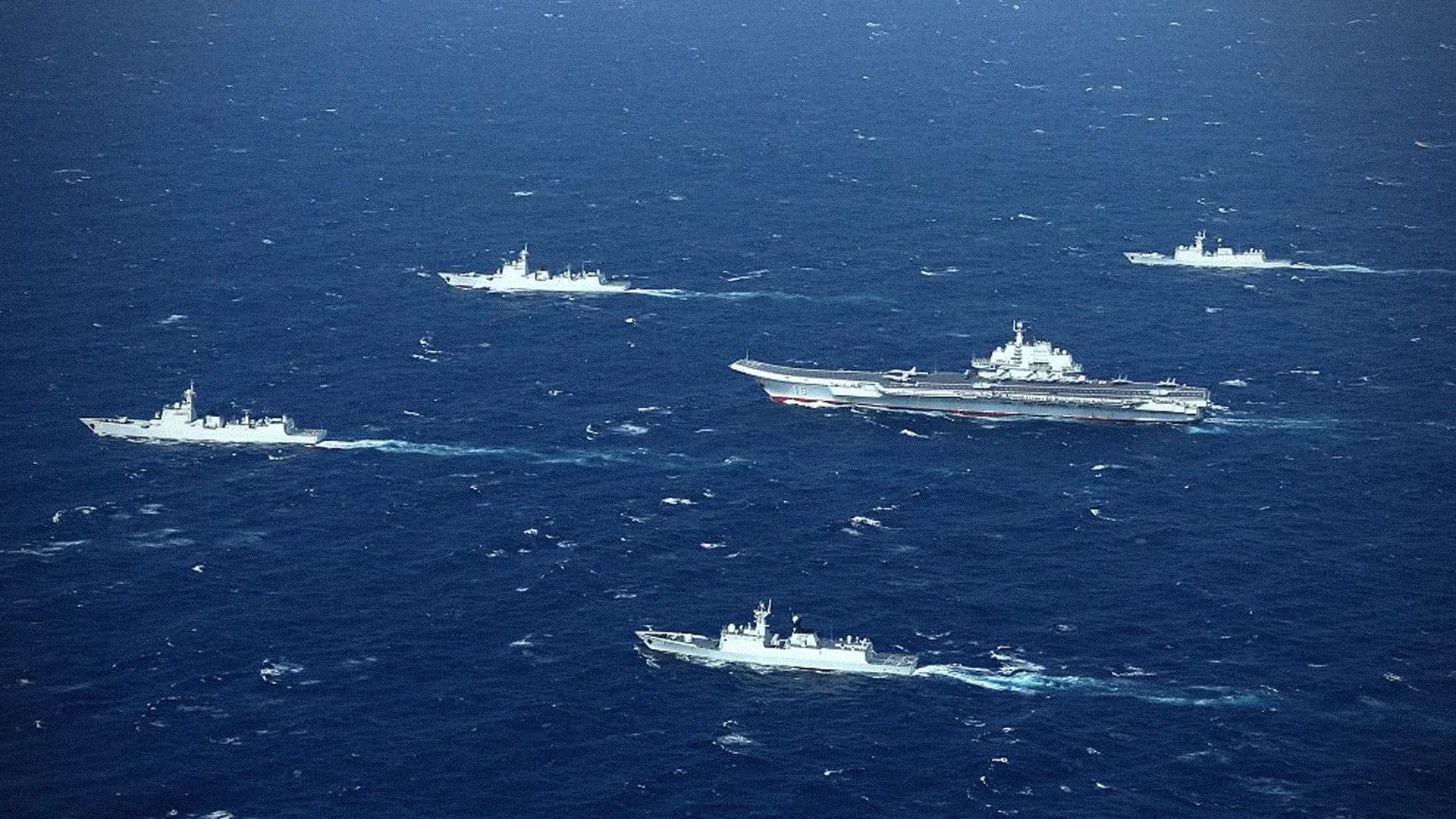
China's strategy to expand its influence in the Pacific region appears to have become increasingly aggressive and multidimensional in recent times. Moving away from its traditional approach of building influence through large infrastructure projects, China is now advancing toward economic partnerships alongside security cooperation and expanding strategic ties.
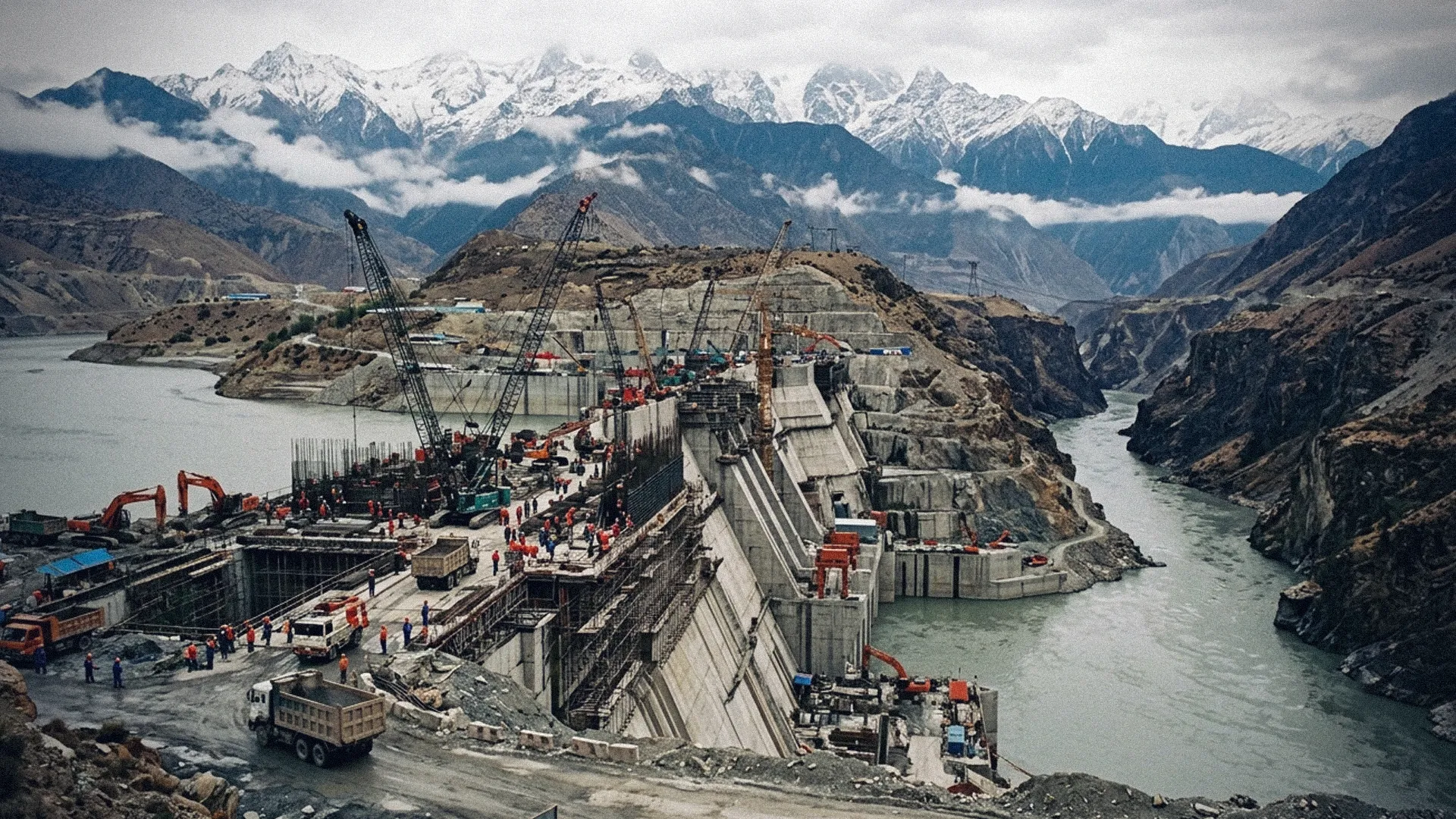
In the past, China increased its presence in Pacific island nations by investing heavily in infrastructure development such as roads, ports, and government buildings. However, China has now begun expanding direct ties with local governments, security agencies, and institutions beyond infrastructure projects.
This shift has heightened concerns that China's influence in the Pacific region could become deeper and more long-term. As security and strategic relations expand under the guise of economic cooperation, there is a visible risk that small Pacific nations could become dependent on China's growing influence.

Interested in this ad?
Would you like to continue to the link or provide your information for more details?
Please provide your information
To continue, please fill in your details
In particular, China's increasing activity in key maritime routes and strategic locations in the Pacific region could pose a challenge for the United States, Japan, and Australia. China's growing presence is likely to further intensify power competition in the region compared to the past.
Although China has consistently presented its activities as development, partnership, and economic cooperation, questions are being raised regarding their long-term strategic impact. The expansion of Chinese influence—starting from infrastructure construction and moving through economic relations to security and strategic partnerships—is considered a sensitive development for the region.
Thus, China's strategy shift in the Pacific region cannot be viewed merely as economic expansion. If China is extending its long-term strategic influence through economic aid and security partnerships, concerns have grown that this could further destabilize the balance of power in the Pacific region.