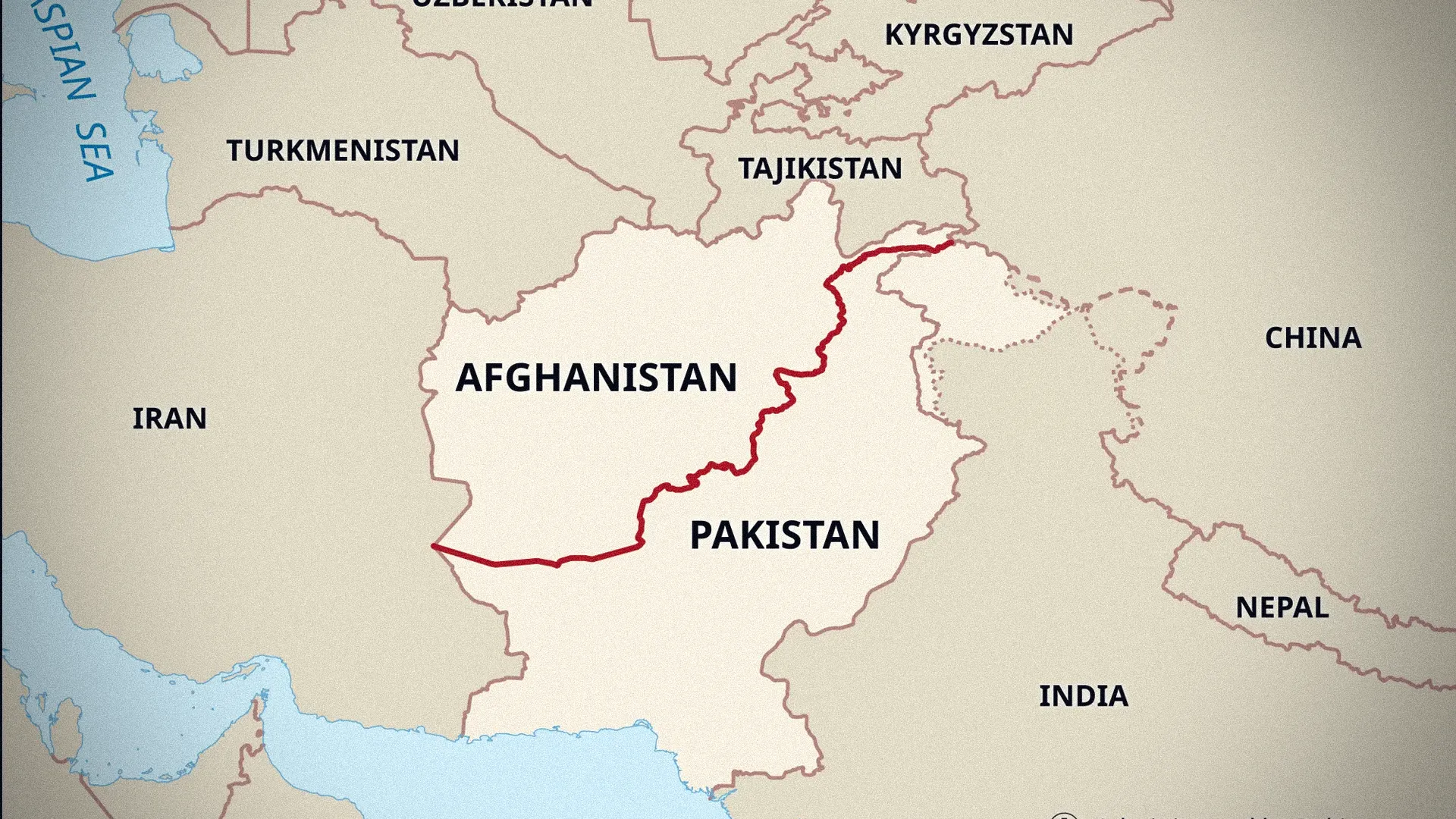



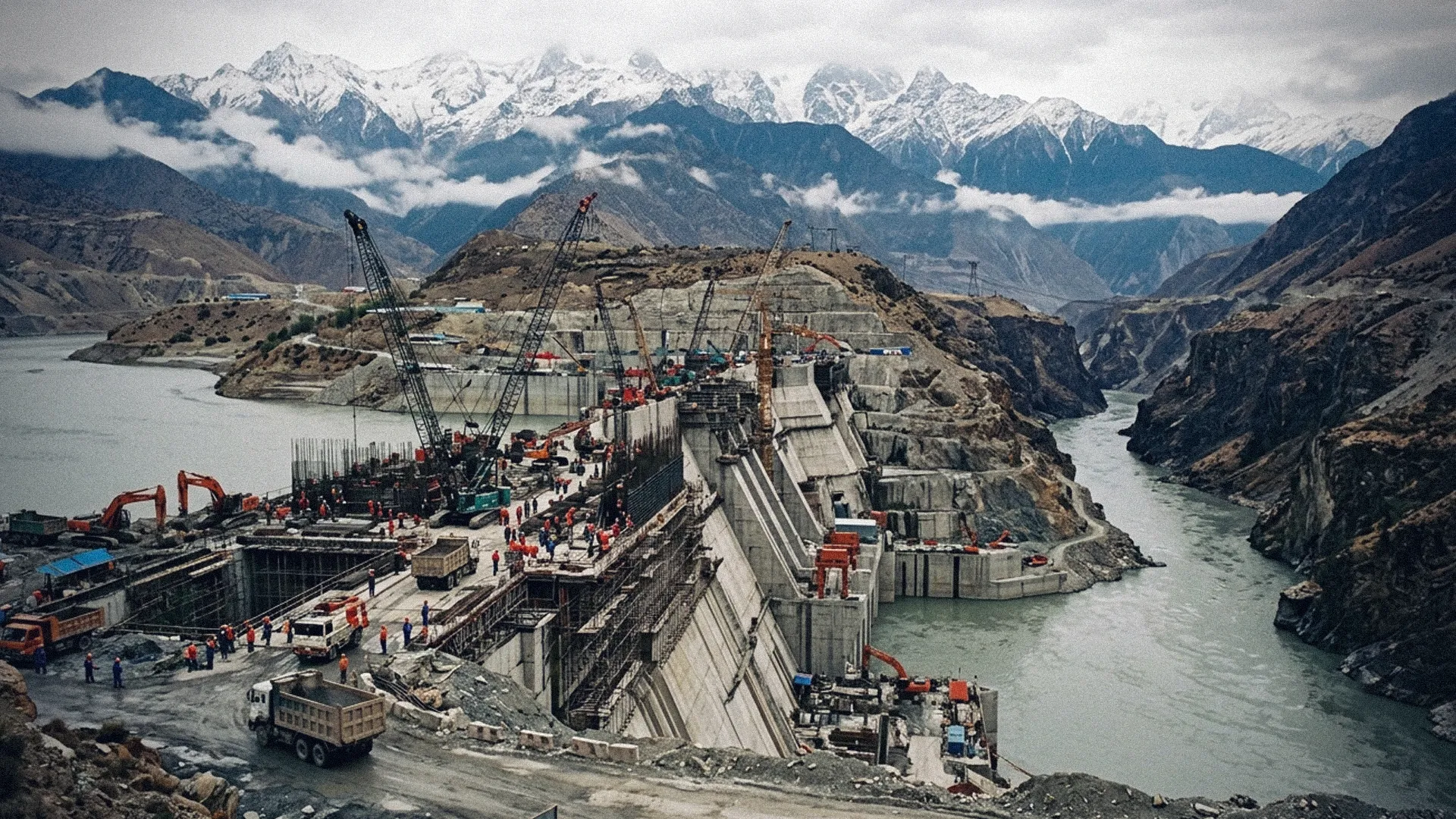
On Saturday, October 10, a massive flash flood triggered by a debris dam failure on the Budhi Gandaki River in Gorkha District, approximately 100 kilometers west of Kathmandu, swept away homes, two suspension bridges, a road bridge to Dhading District, and parts of a hydroelectric project site, leaving at least five people missing.
Nepalese authorities immediately ordered the evacuation of downstream riverbanks, issuing urgent flood alerts to downstream districts extending as far as Chitwan and Nawalparasi.
The incident marks the second flash flood in six weeks to hit northern Nepal, following a far more devastating event on August 26 in Rasuwa District and Tibet's Gyirong County. That disaster claimed 1,457 lives, left thousands missing, and erased entire villages when a high-altitude collapse of ice and rock triggered a Glacial Lake Outburst Flood (GLOF) that swept 168 kilometers downstream.
While Chinese state media dismissed the August event as a natural "earthquake-like glacial collapse," testimonies from Nepalese engineers and residents indicate that Chinese construction sites near the Rasuwagadhi-Gyirong border had built roads, dug tunnels, and cut into slopes, destabilizing permafrost and glacial moraines.

Interested in this ad?
Would you like to continue to the link or provide your information for more details?
Please provide your information
To continue, please fill in your details
A study published in May 2026 in the International Journal of Disaster Risk Science documented a 194 percent expansion of the Qiangzongke Co glacial lake in southwestern Tibet between 2018 and 2024, driven by climate change and infrastructure pressure, while Beijing's Ministry of Water Resources itself admitted a high risk of catastrophic failure for a 2 million cubic meter barrier lake formed after the August flood.
Responding to concerns, the Chinese Embassy in Kathmandu stated, "Accusations don't help; cooperation saves lives," though reports highlight that Beijing has systematically obstructed cross-border hydrological data sharing and forged ahead with mega-dam projects in fragile Himalayan terrain.
Experts and downstream stakeholders emphasize that holding upstream infrastructure development accountable through transparent scientific monitoring and joint risk management is essential to prevent further disasters across the Himalayan ecosystem.