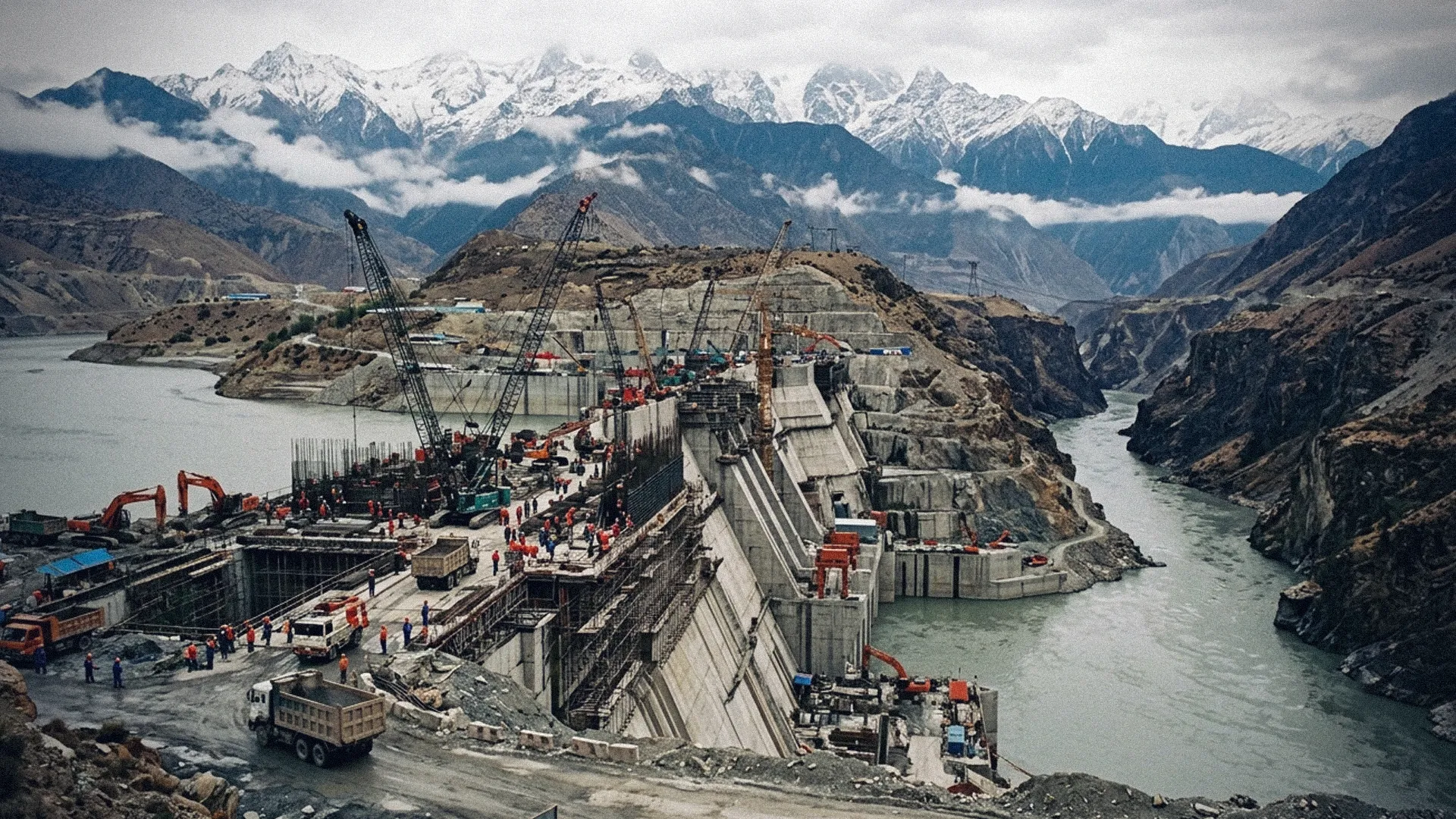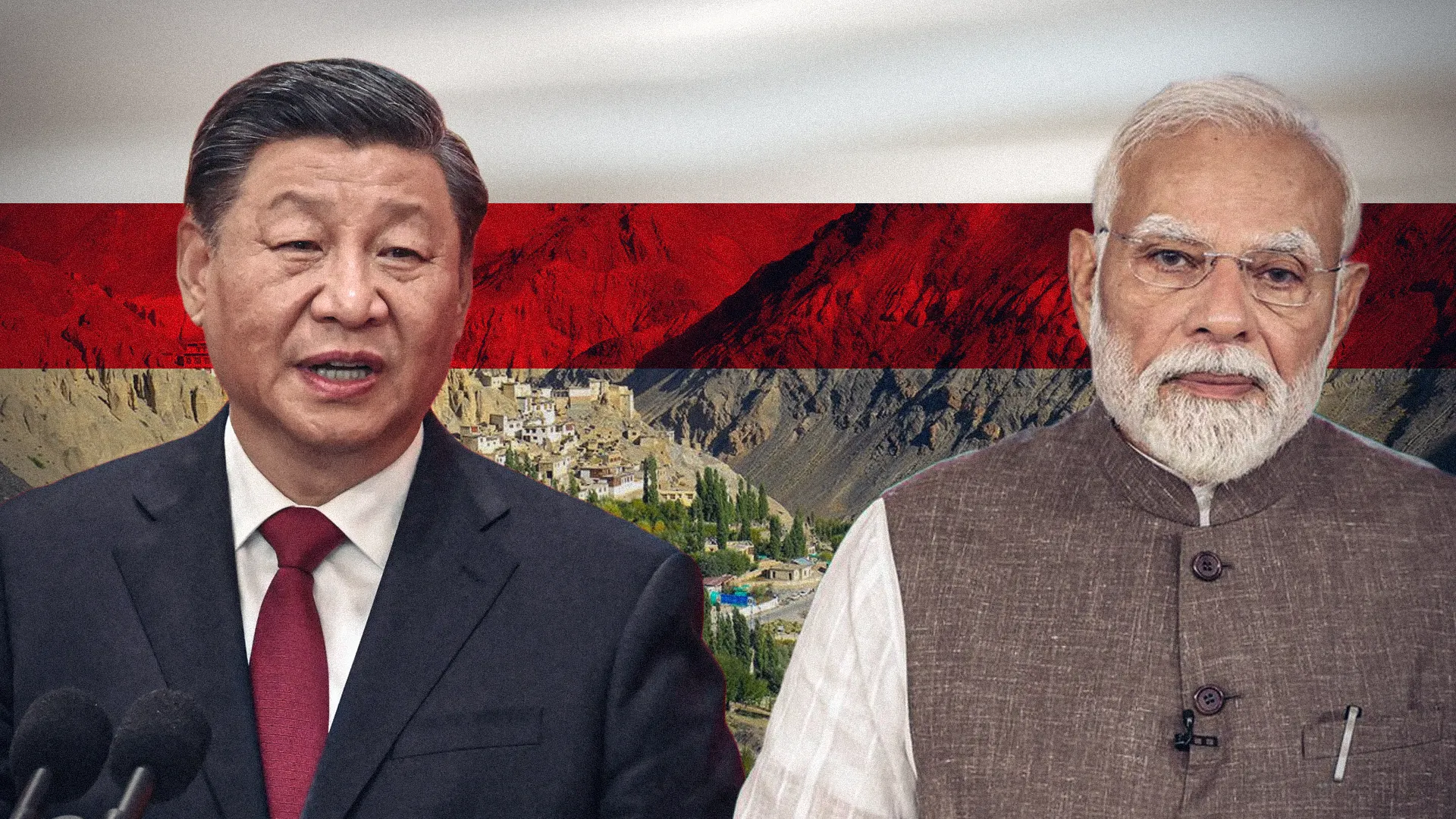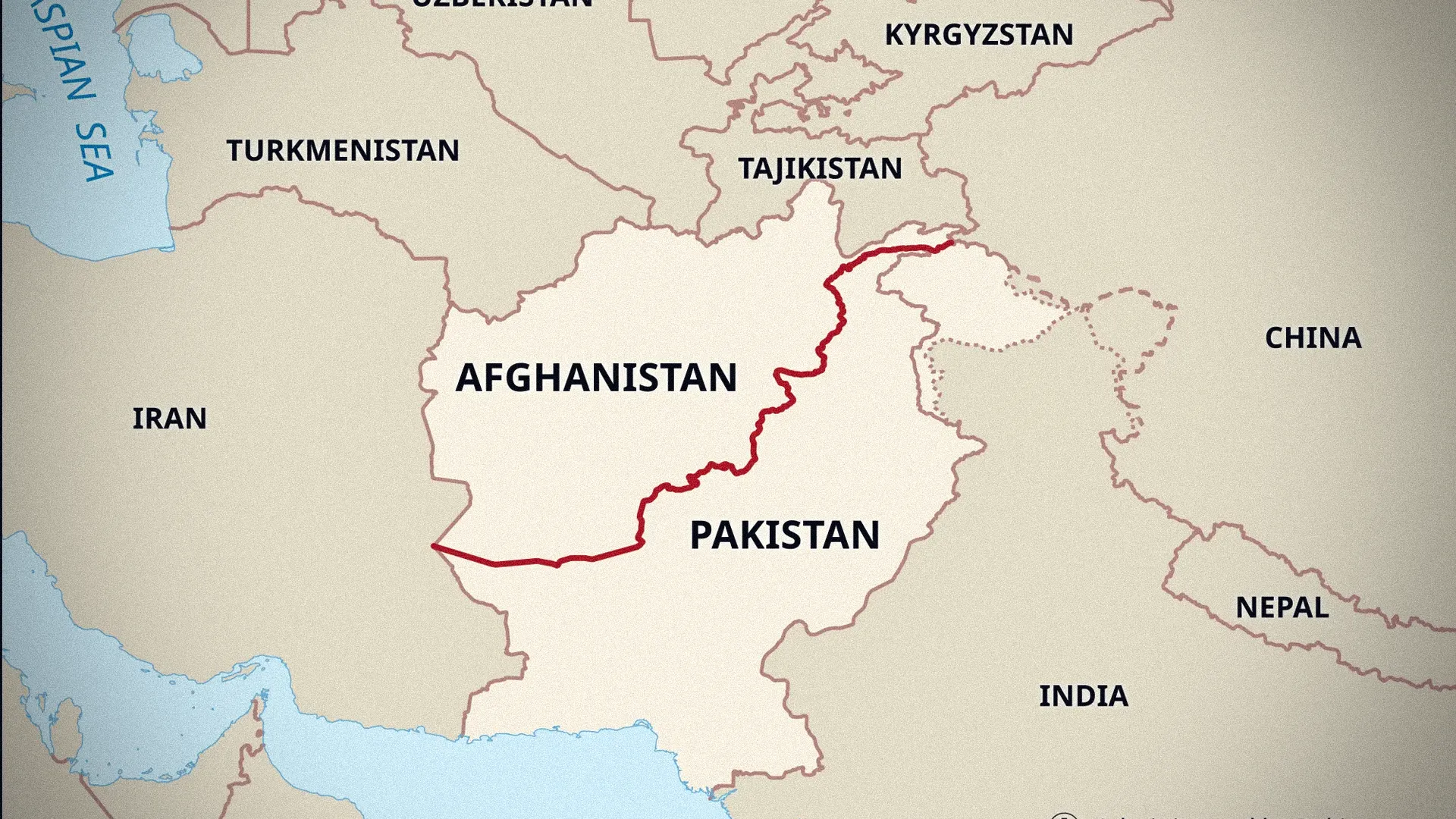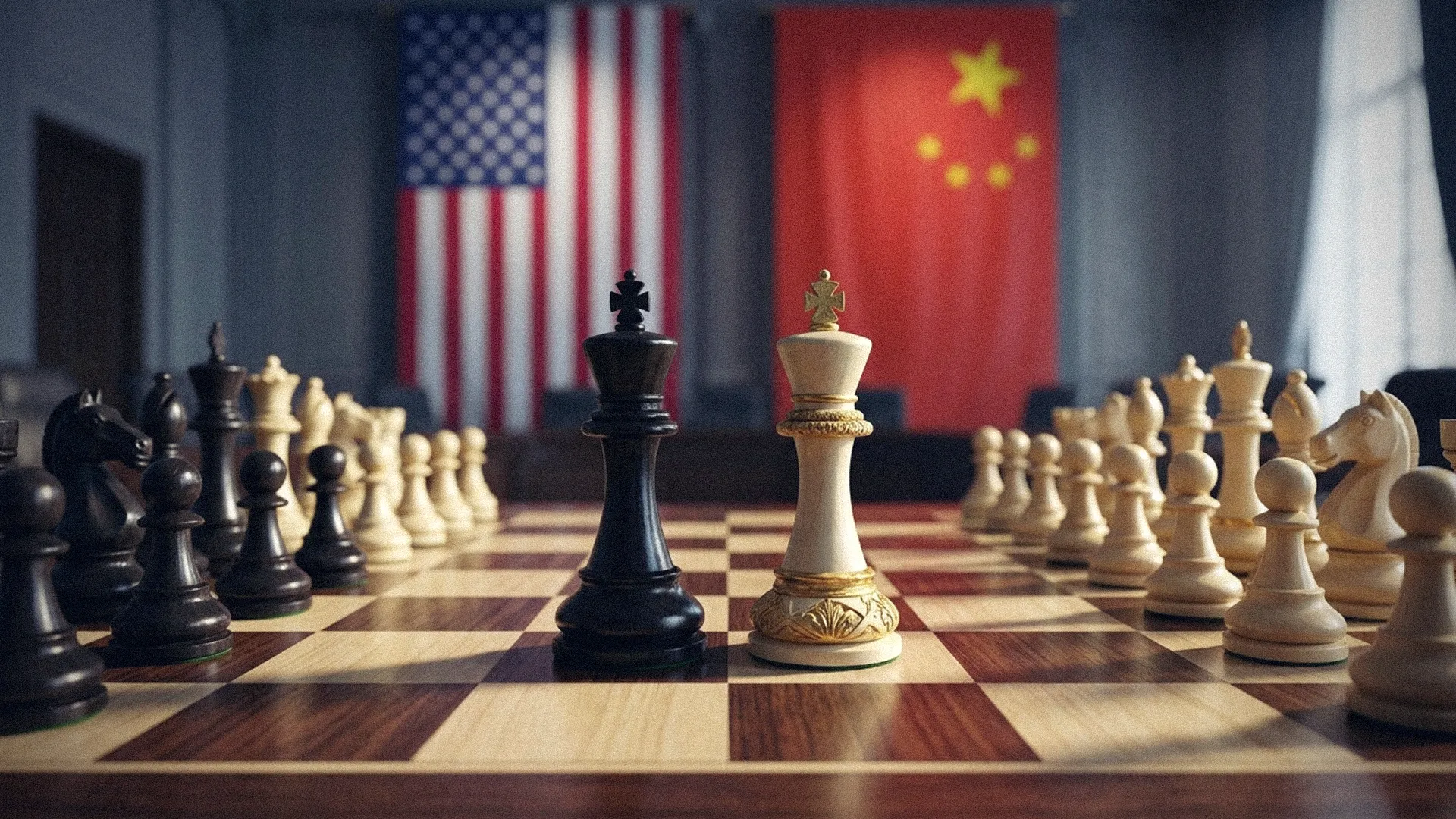



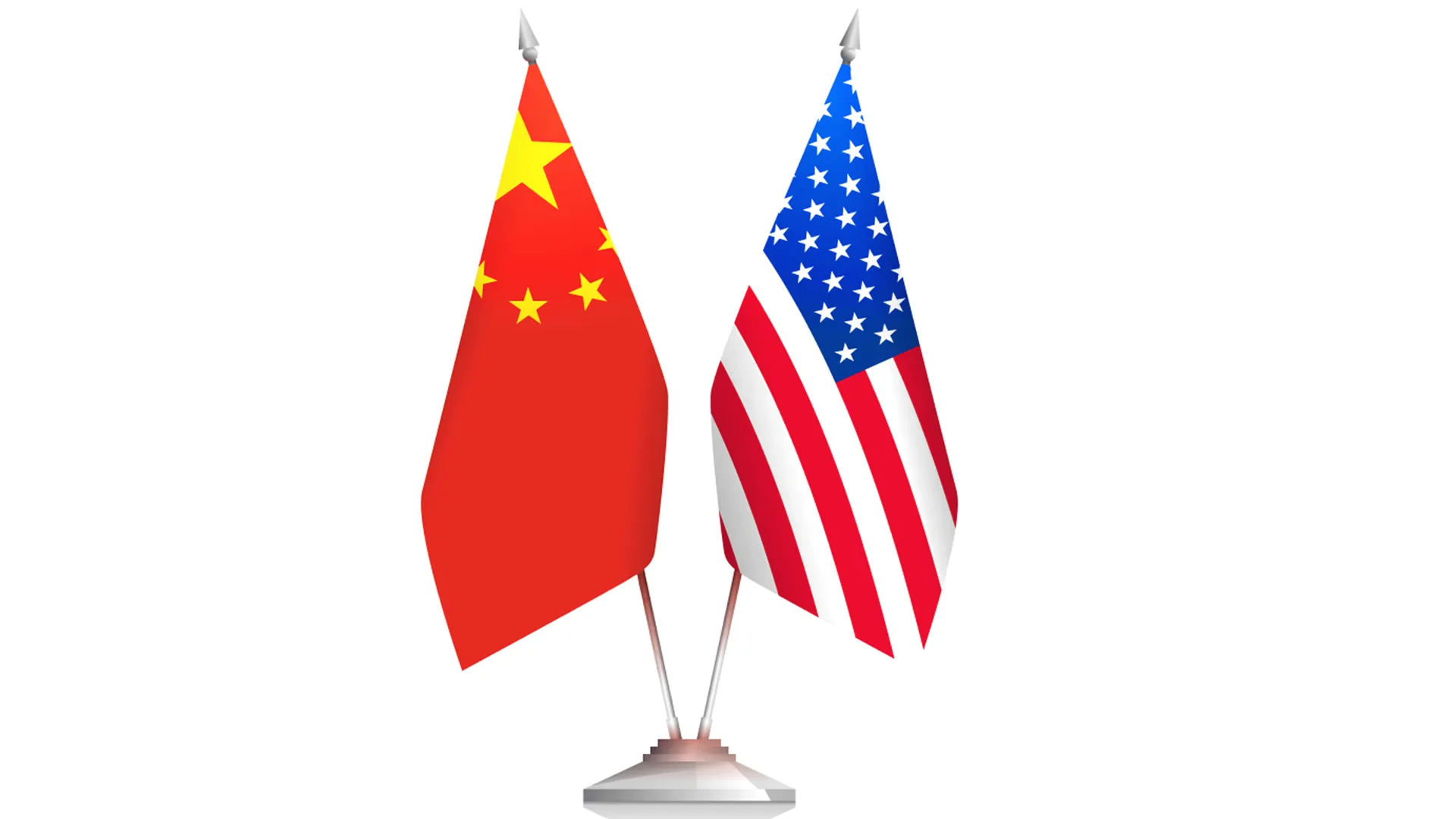
The escalating friction between the United States and China has reached a critical juncture, fundamentally reshaping the global geopolitical landscape. This intensifying competition—spanning military maneuvers, technological supremacy, and the control of rare earth minerals—is forcing a redistribution of international power. For developing nations, this friction is no longer a distant diplomatic concern but an immediate challenge to their strategic autonomy.
Beijing’s expanding military footprint and its drive for global influence have prompted a robust counter-response from Washington. Through the Indo-Pacific Strategy, the U.S. and its allies are actively working to contain China’s ascent, sparking widespread fears of a modern "Cold War." This systemic rivalry is placing immense strain on smaller states that find themselves caught in the crossfire of these two giants.

Interested in this ad?
Would you like to continue to the link or provide your information for more details?
Please provide your information
To continue, please fill in your details
Nepal occupies a particularly precarious position in this unfolding drama. The nation shares a direct physical border and extensive infrastructure partnerships with China, yet it simultaneously maintains deep-seated strategic and economic ties with the United States and India. Any perceived tilt toward one power center risks triggering immediate diplomatic repercussions from the other, leaving Kathmandu in a high-stakes regional squeeze.
According to political analysts, the current climate demands a reinforced commitment to "balanced diplomacy." To preserve long-term stability and sovereignty, experts suggest that Nepal must prioritize its national interests above all else. Success will depend on the country’s ability to strengthen multilateral relations while strictly avoiding entanglement in the competitive agendas of external powers.