


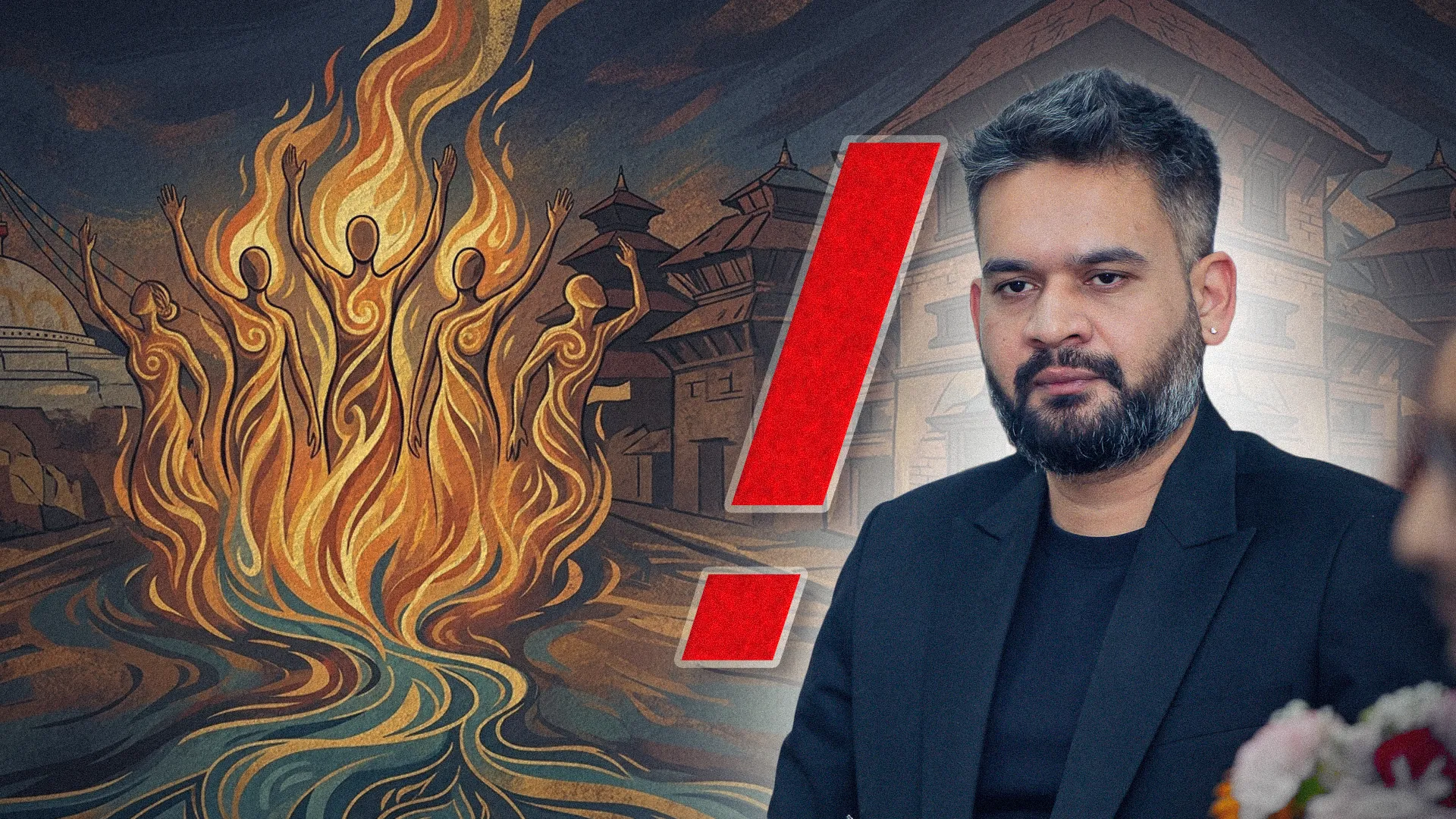
KATHMANDU — When a human being chooses to end their life by setting themselves on fire, it is rarely an act of simple madness. Historically and sociologically, self-immolation is the ultimate "weapon of the powerless." It is a horrific, public, and agonizing scream against a system that has rendered an individual entirely invisible.
In July 2026, a disturbing wave of self-immolations has brought this tragic phenomenon to the forefront of global and domestic consciousness. From the heavily guarded gates of the United Nations headquarters in New York to the chaotic streets of Kathmandu, the flames of despair are exposing deep, systemic fractures within both autocratic regimes and modern democracies.
The Ultimate Distress Signal Under Autocratic Regimes
In tightly controlled authoritarian states, where conventional dissent is met with immediate erasure, imprisonment, or death, the human body becomes the final battleground for resistance.
Under the iron-fisted rule of Chinese President Xi Jinping, policies aimed at forced cultural assimilation and the systematic erasure of Tibetan identity have driven a population to the brink of absolute despair. Since 2009, over 160 Tibetans have chosen self-immolation as an act of political protest.
Total Tibetan Self-Immolations (Since 2009): 160+
Most Recent High-Profile Incident: July 2, 2026 (New York City)
The tragedy manifested globally on the evening of Thursday, July 2, 2026. Outside the UN Headquarters in New York, a Tibetan refugee doused himself in accelerant and set himself ablaze. Cloaked in traditional attire and holding a Tibetan flag next to a "China Out of Tibet" placard, his act was an un-censorable international distress signal. In a political system where your voice is illegal, destroying your own body ensures that the world—and the dictators who oppress you—cannot look away.
From Authoritarian Erasure to Democratic Disillusionment
While self-immolation in autocratic regimes acts as a cry for freedom against external tyranny, its manifestation in democracies like Nepal points to a different kind of failure: the slow, suffocating collapse of the social contract.
In a democracy, citizens expect their government to protect their livelihood and dignity. When that government instead becomes an obstacle to survival, bureaucratic despair sets in. Nepal has witnessed this painful reality escalate over the last few years, spanning across different administrations.
The Catalyst: Prem Acharya (2023)
In January 2023, under the administration of then-Prime Minister Pushpa Kamal Dahal, an entrepreneur named Prem Acharya set himself on fire in front of the Parliament building in New Baneshwor. Before his act, Acharya penned a harrowing, detailed manifesto on social media, detailing the extortion, corporate collusion, and corrupt regulatory frameworks that drove his business to ruin.
Acharya’s death shook Nepal because it exposed a dark reality: even in a democracy, a regular citizen could be entirely crushed by the structural corruption embedded within the state mechanism.

Interested in this ad?
Would you like to continue to the link or provide your information for more details?
Please provide your information
To continue, please fill in your details
The 2026 Crisis Under Prime Minister Balendra Shah
Fast forward to July 2026, and Nepal is grappling with a sudden, terrifying cluster of self-immolations within a single week under the administration of Prime Minister Balendra Shah.
Known for his aggressive push toward urban discipline, digitization, and strict administrative reforms, PM Shah’s governance model has frequently polarized public opinion. While celebrated for cleaning up cities and enforcing rules, critics argue that the relentless, top-down enforcement mechanism has turned a blind eye to the survival mechanisms of the working class.
The human cost of this friction erupted into public view over three consecutive days:
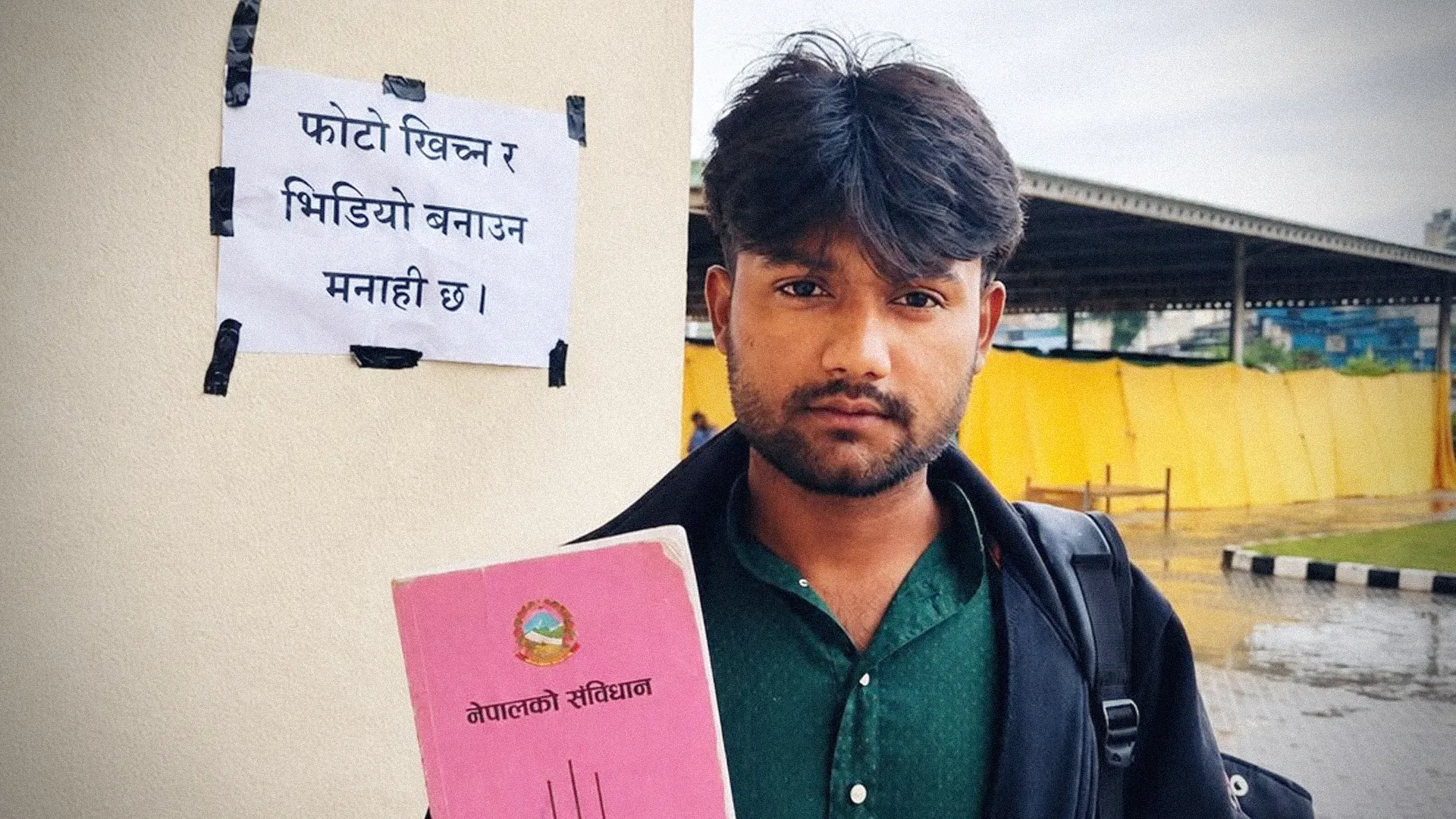
● Thursday (Tripureshwor): Ganesh Nepali succumbed to severe burns after setting himself on fire outside the Passport Department. The sole breadwinner attempting to secure a future abroad, his despair peaked after municipal authorities wheel-locked and fined his motorcycle, cutting off his daily livelihood.
● Friday (Sarlahi): Vivek Mandal attempted self-immolation, driven to the edge by severe local administrative harassment and economic suffocations.
● Saturday (Buddhanagar): Ashwin Raut became the third individual in less than 72 hours to attempt the act, further highlighting a contagious collective despair spreading through the urban poor.
| Date | Individual | Location | Primary Catalyst |
| Thursday | Ganesh Nepali | Tripureshwor, KTM | Municipal enforcement / Loss of livelihood |
| Friday | Vivek Mandal | Sarlahi | Administrative apathy / Economic debt |
| Saturday | Ashwin Raut | Buddhanagar, KTM | Systemic desperation |
An Indictment of the System
The sociological link between a Tibetan refugee in New York and an Uber driver or small-business owner in Kathmandu is the complete loss of agency.
Whether under an autocratic dictator who seeks to strip a population of their cultural identity, or an efficient democratic reformer whose rules systematically squeeze out the margins of the poor, the psychological tipping point remains identical. When a citizen perceives that the state’s institutions exist solely to punish, extort, or erase them, the fear of living under that system eventually surpasses the fear of a horrific death.
As Prime Minister Balendra Shah’s government navigates the current political landscape of 2026, these flames serve as a grim warning. True reform cannot merely be structural or aesthetic; it must be deeply humane. If a government protects the rule of law at the expense of human dignity, it risks driving its most vulnerable citizens to the ultimate, irreversible protest.