Epstein Files Reopen a Case the World Refused to Close
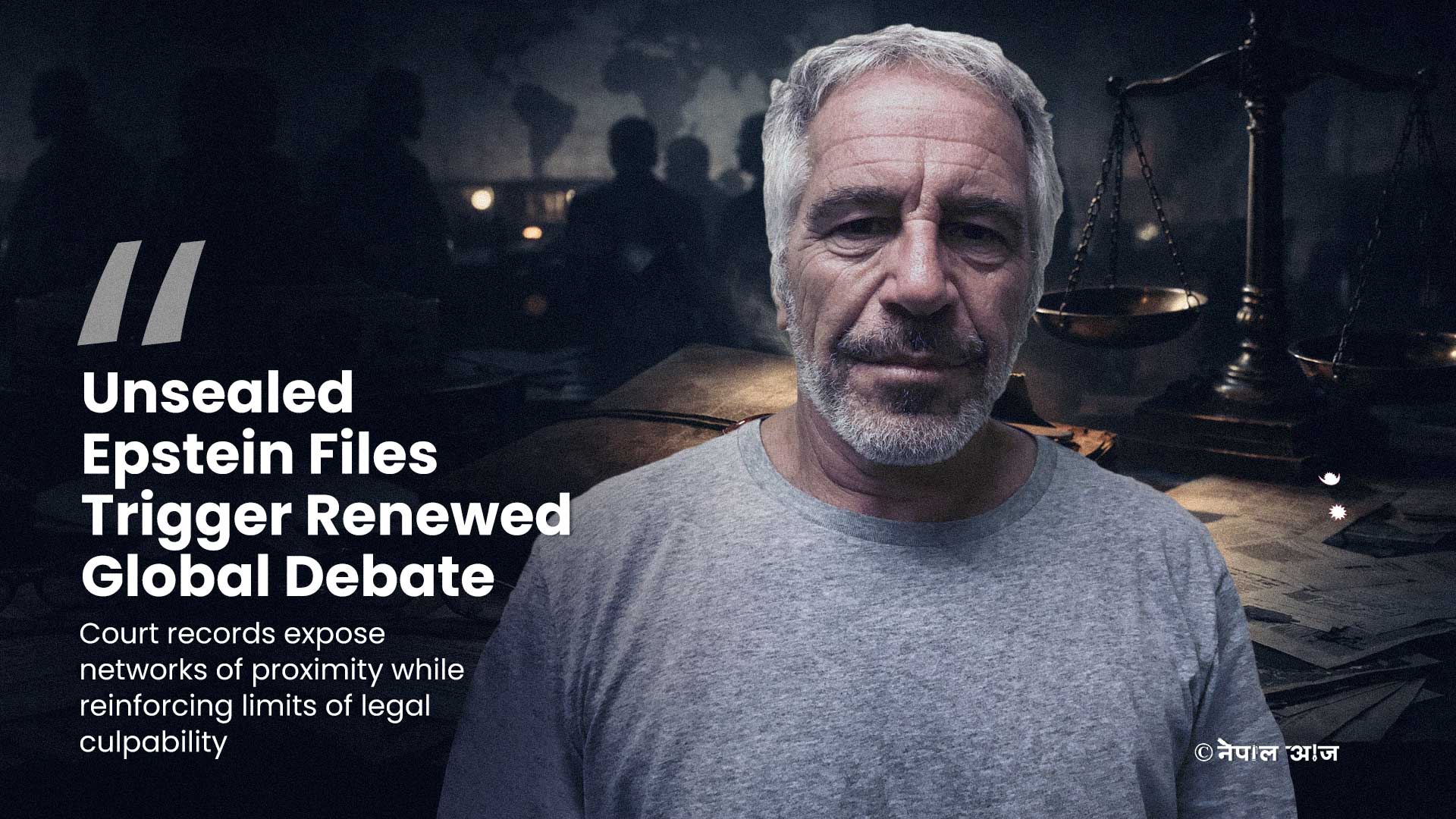
The release of the Epstein Files has revived one of the most disturbing criminal sagas in modern American history, not by introducing new convictions but by laying bare the documentary architecture of power, silence, and proximity that surrounded convicted sex offender Jeffrey Epstein. Court records, depositions, and authenticated emails made public through U.S. judicial processes confirm what prosecutors had already established years earlier: Epstein, a powerful financier, was convicted of crimes involving the sexual exploitation of minors and later died in federal custody in 2019 while awaiting trial on additional sex-trafficking charges. His death, officially ruled a suicide by U.S. authorities, ended the criminal case against him—but it did not end the questions.
At the center of the renewed controversy is Jeffrey Epstein, whose long-standing access to political leaders, corporate elites, and celebrities is now mapped in unprecedented detail across sworn testimony and documentary exhibits. The files list numerous high-profile individuals mentioned in flight logs, contact books, and correspondence. Crucially, legal experts and courts have emphasized that mention in these materials does not equate to criminal liability. Many of the named figures have not been accused of wrongdoing, let alone charged or convicted. The distinction between documentation and culpability has become the defining fault line of the global debate.
Public reaction in the United States has been swift and polarized. Victims’ advocates argue that transparency, even when uncomfortable, is essential to accountability and institutional reform. Civil liberties lawyers counter that uncontextualized disclosure risks reputational harm to individuals never charged with crimes. Political leaders across party lines have acknowledged the gravity of Epstein’s offenses while urging restraint, noting that the files must be read through the lens of due process. Federal courts, for their part, have reiterated that the unsealing of records serves the public interest precisely because it allows scrutiny without rewriting legal outcomes.
Internationally, the shockwaves have not stopped at U.S. borders. Global media coverage has highlighted references to foreign nationals, including prominent figures from India, underscoring how Epstein’s network operated across jurisdictions. Again, the legal position remains unchanged: the appearance of a name in court documents is not proof of criminal conduct. Yet the reputational and political consequences have been real, reigniting debates about elite impunity, cross-border accountability, and the uneven reach of justice.
The human impact of the case remains the most consequential element. Survivors of Epstein’s abuse have consistently stated that the system failed them for years, allowing a repeat offender to negotiate lenient outcomes while victims were silenced by fear, money, and legal complexity. Their testimonies, already part of the public record, have gained renewed attention as the files circulate, reinforcing calls for stronger safeguards, victim-centered prosecution, and oversight of plea agreements involving sexual crimes.
The implications extend beyond any single country. For societies like Nepal, the Epstein Files are not an accusation but a cautionary mirror. Large-scale trafficking networks may be rare, but smaller, quieter forms of abuse—enabled by power imbalances, economic leverage, and social silence—are not unfamiliar. The pattern is universal: victims struggle to speak, institutions hesitate to confront influential figures, and accountability arrives late, if at all.
What the Epstein Files ultimately demonstrate is not merely the depravity of one man, already established by conviction, but the fragility of systems meant to protect the vulnerable. Closing a case file does not extinguish truth; it delays it. The lesson is neither sensational nor abstract. When societies focus only on individuals and not the structures that shield them, the conditions for the next scandal remain intact. The documents now in public view do not rewrite the past, but they issue a warning about the future—one that no legal system, however distant from New York or Washington, can afford to ignore.
Epstein Files Reopen a Case


![From Kathmandu to the World: How Excel Students Are Winning Big [Admission Open]](https://nepalaaja.com/img/70194/medium/excel-college-info-eng-nep-2342.jpg)