Tatopani Border Tensions Escalate as China Accused of Occupying Nepali Land
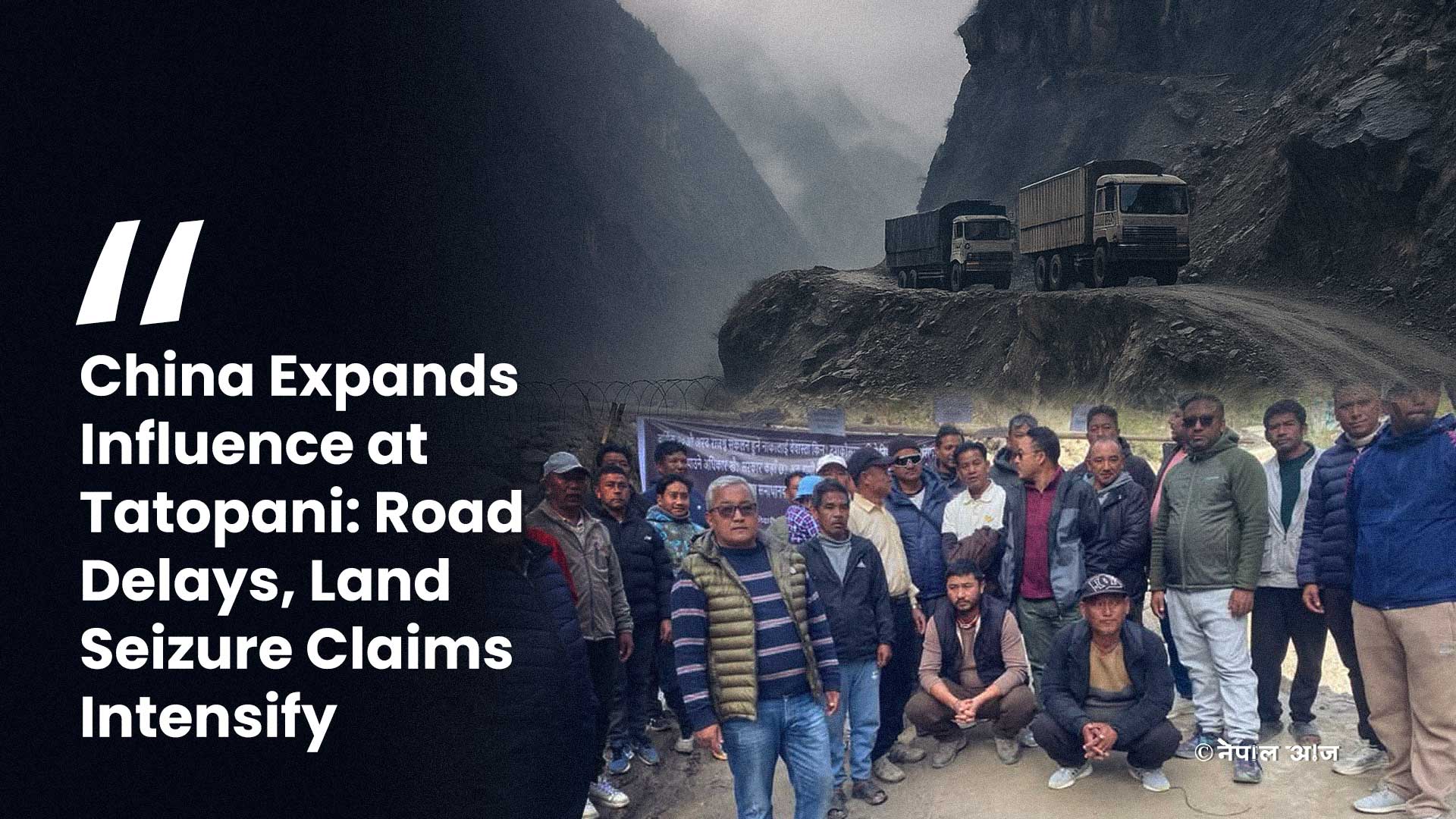
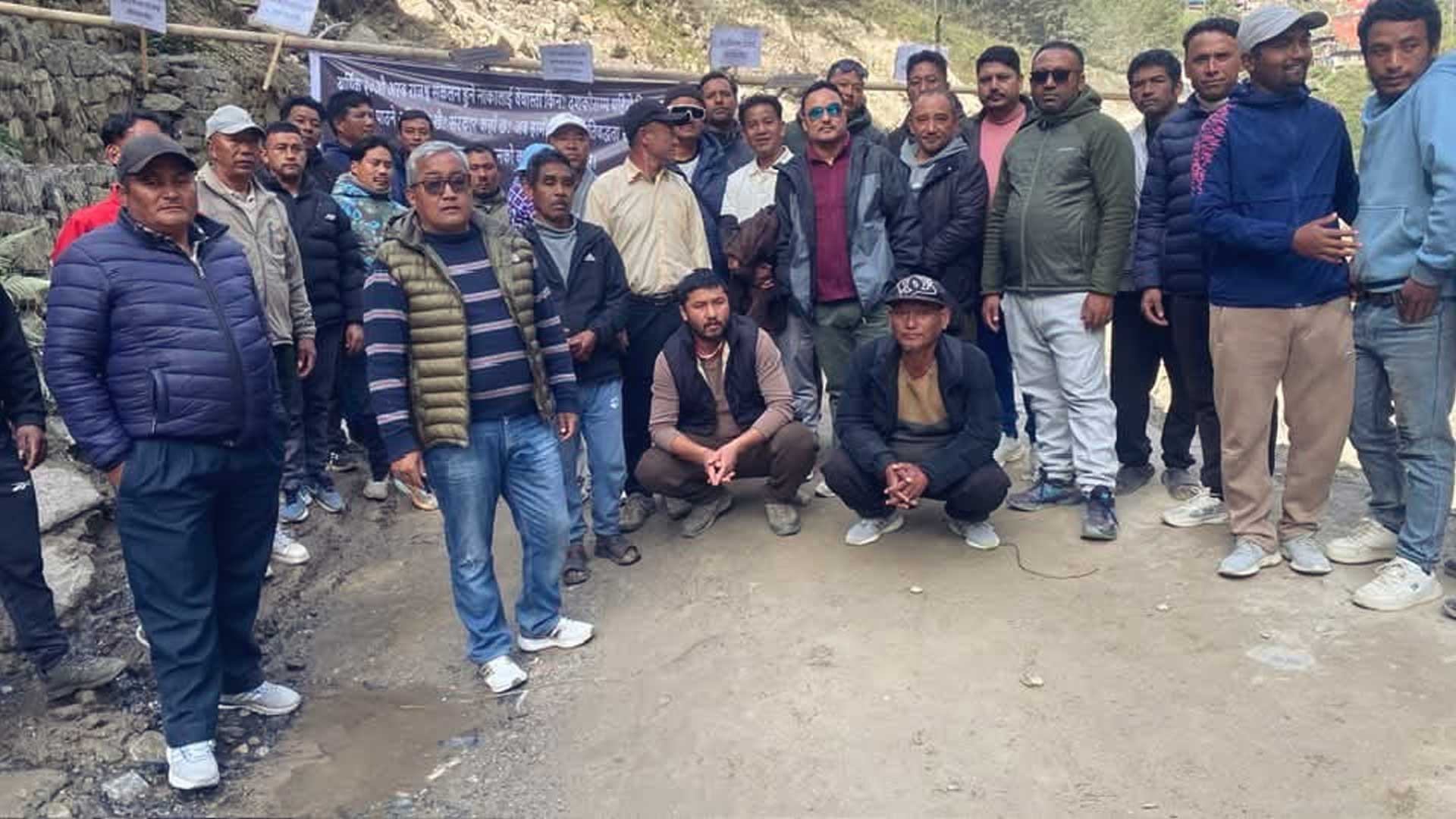
Tension has intensified along the Nepal–China border at Tatopani after residents accused the Chinese side of gradually occupying Nepali land under the guise of an “ongoing project”. Locals say the project zone—operated with the involvement of the Chinese Embassy—has been fenced off, expanded over time, and placed under strict restriction, effectively displacing Nepali villagers from their own land.
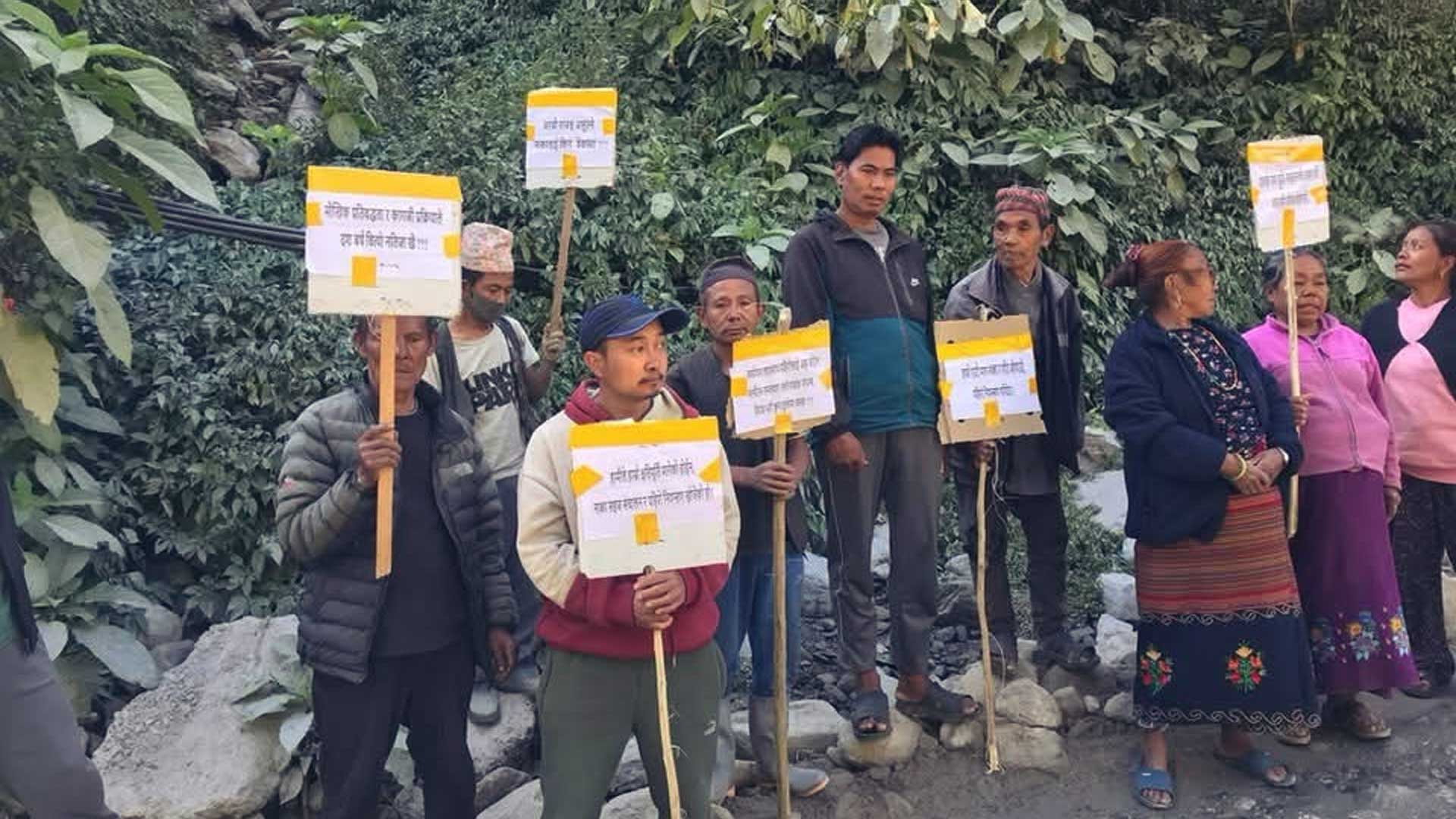
Although China had agreed to rebuild and maintain the fragile Tatopani–Liping corridor, almost no meaningful road work has been carried out. The condition of the terrain has worsened instead, reinforcing suspicions that the stalled reconstruction may be a strategic move to keep Nepal dependent on Chinese-controlled border routes.
Local communities have now launched public protests, demanding that the government investigate the alleged encroachment, clarify border boundaries, and ensure transparency in Chinese-run operations.
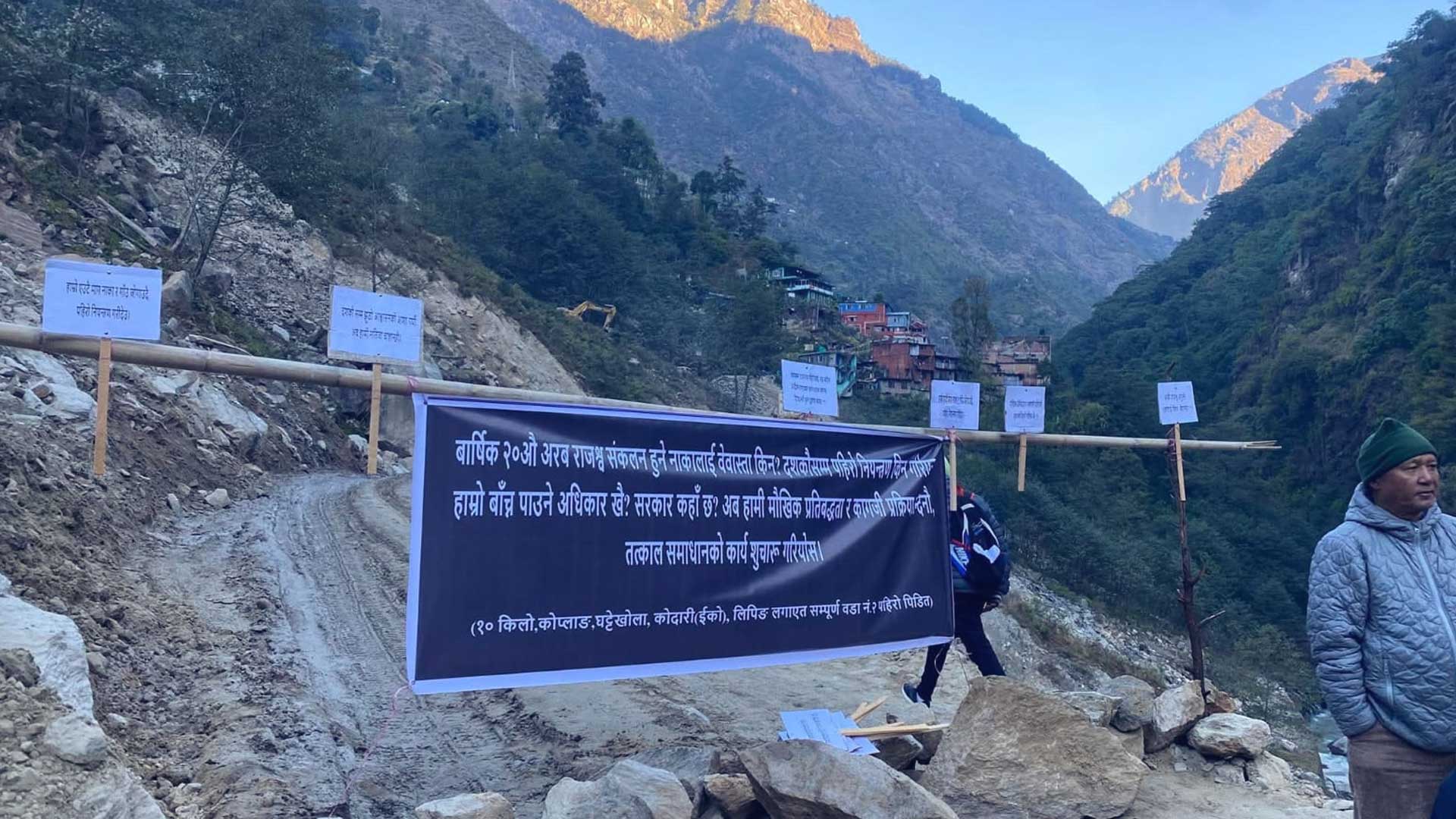
Recurring Delays Deepen Strategic Concerns
A previous Nepal Aaja investigation (“Chinese Strategic Control and Poor Infrastructure at Tatopani and Rasuwagadhi”) had already documented low-grade construction by Chinese state firms, repeated monsoon collapses, and unexplained delays—particularly after the 2024 floods destroyed major bridges along northern routes.
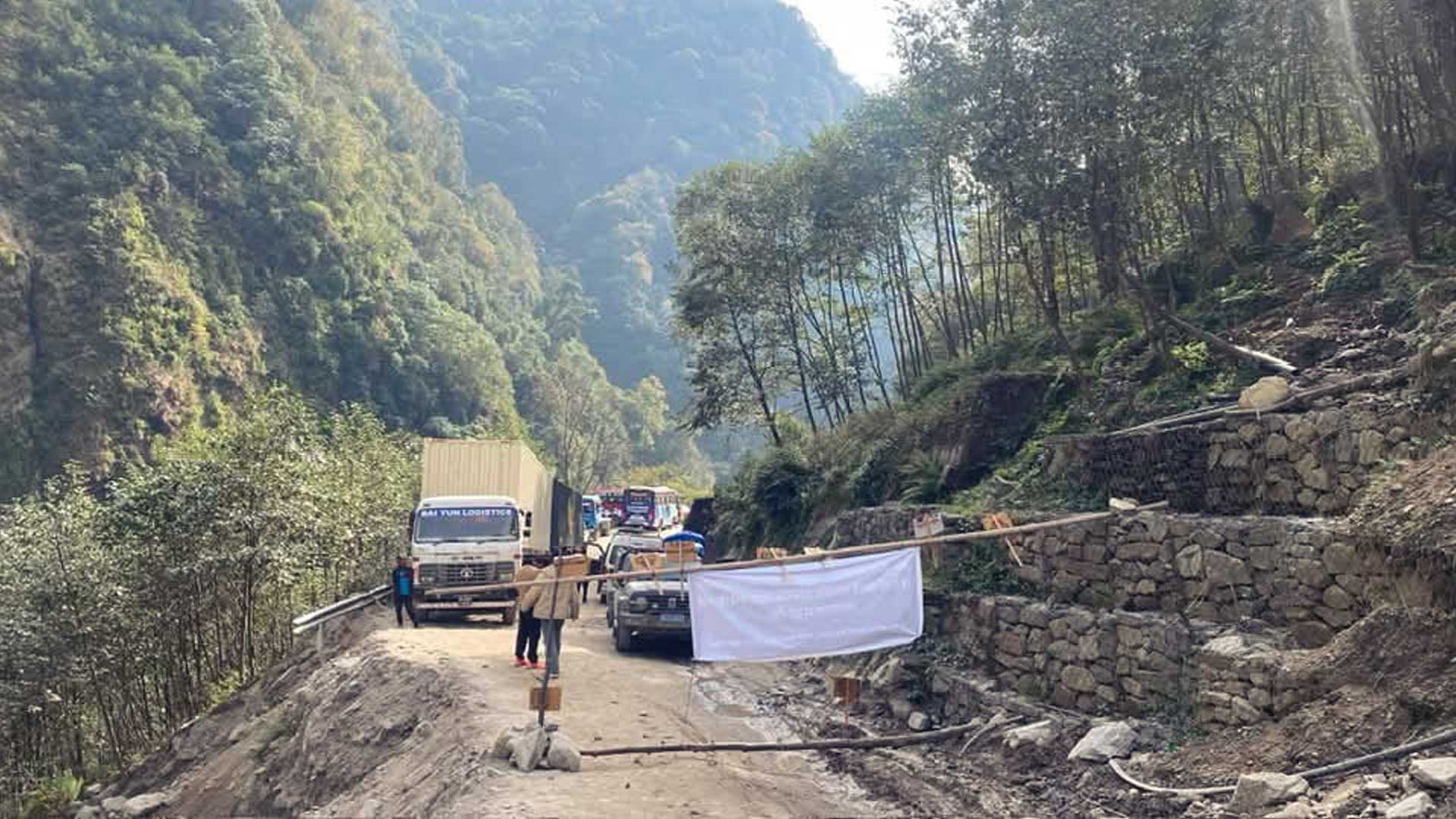
Despite being awarded contracts through G2G arrangements, companies like CRBC and CRCC delivered substandard roads unable to withstand Nepal’s geography. The slow pace of reconstruction has amplified doubts over whether the delays stem from inefficiency—or a deliberate bid to maintain strategic leverage over Nepal’s primary northern trade lifeline.
Economic and Sovereignty Risks Grow
With trade frequently disrupted and containers stranded during past closures, traders warn that renewed instability at Tatopani could severely damage cross-border commerce. Analysts further argue that China’s expanding control of the project zone—absent transparency or progress—poses mounting risks to Nepal’s economic independence and territorial sovereignty.
As protests expand, the government faces pressure to:
-
address border occupation claims,
-
enforce accountability in Chinese-led projects, and
-
secure Nepal’s effective control over one of its most critical northern trade gateways.



![From Kathmandu to the World: How Excel Students Are Winning Big [Admission Open]](https://nepalaaja.com/img/70194/medium/excel-college-info-eng-nep-2342.jpg)