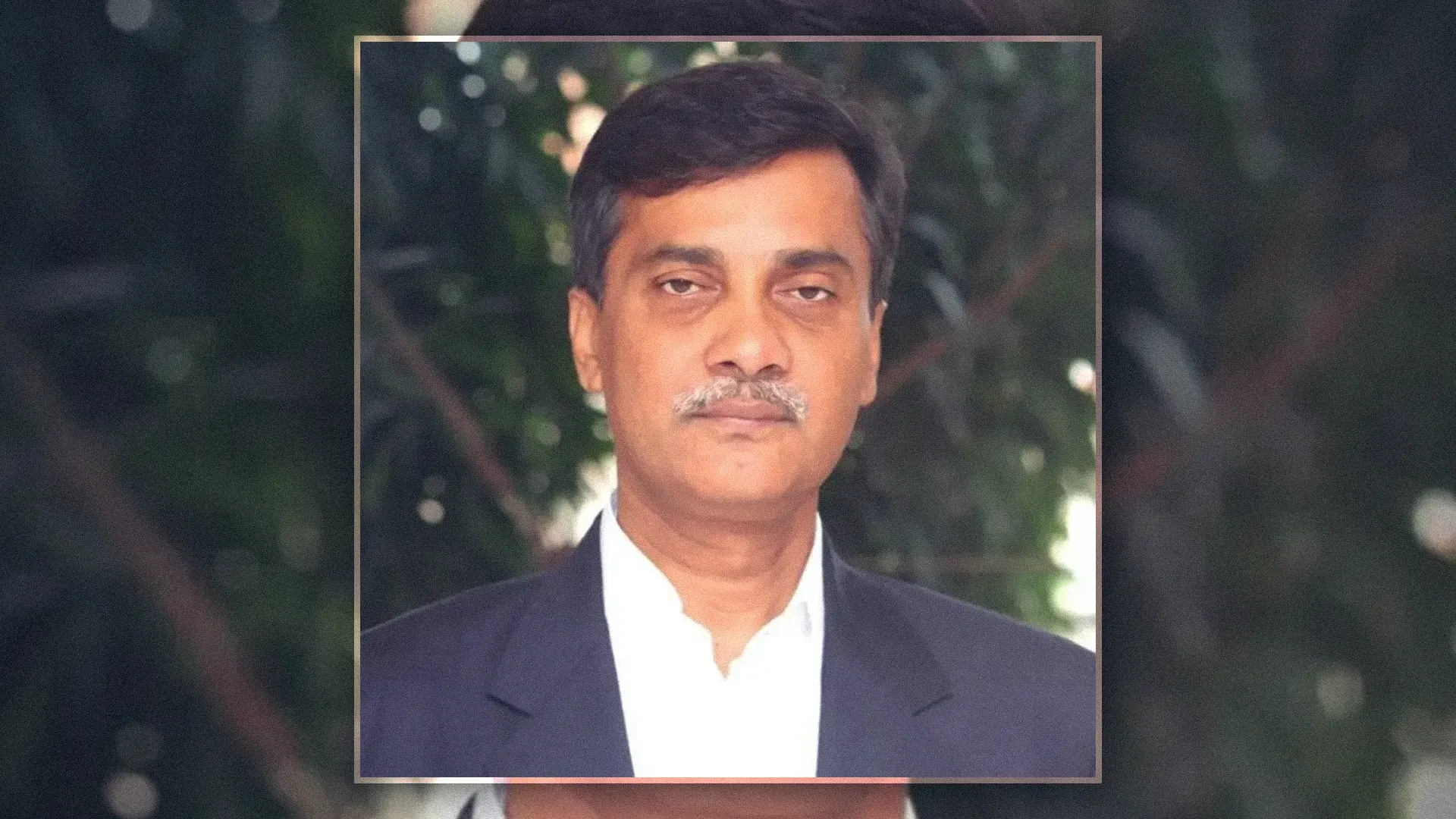


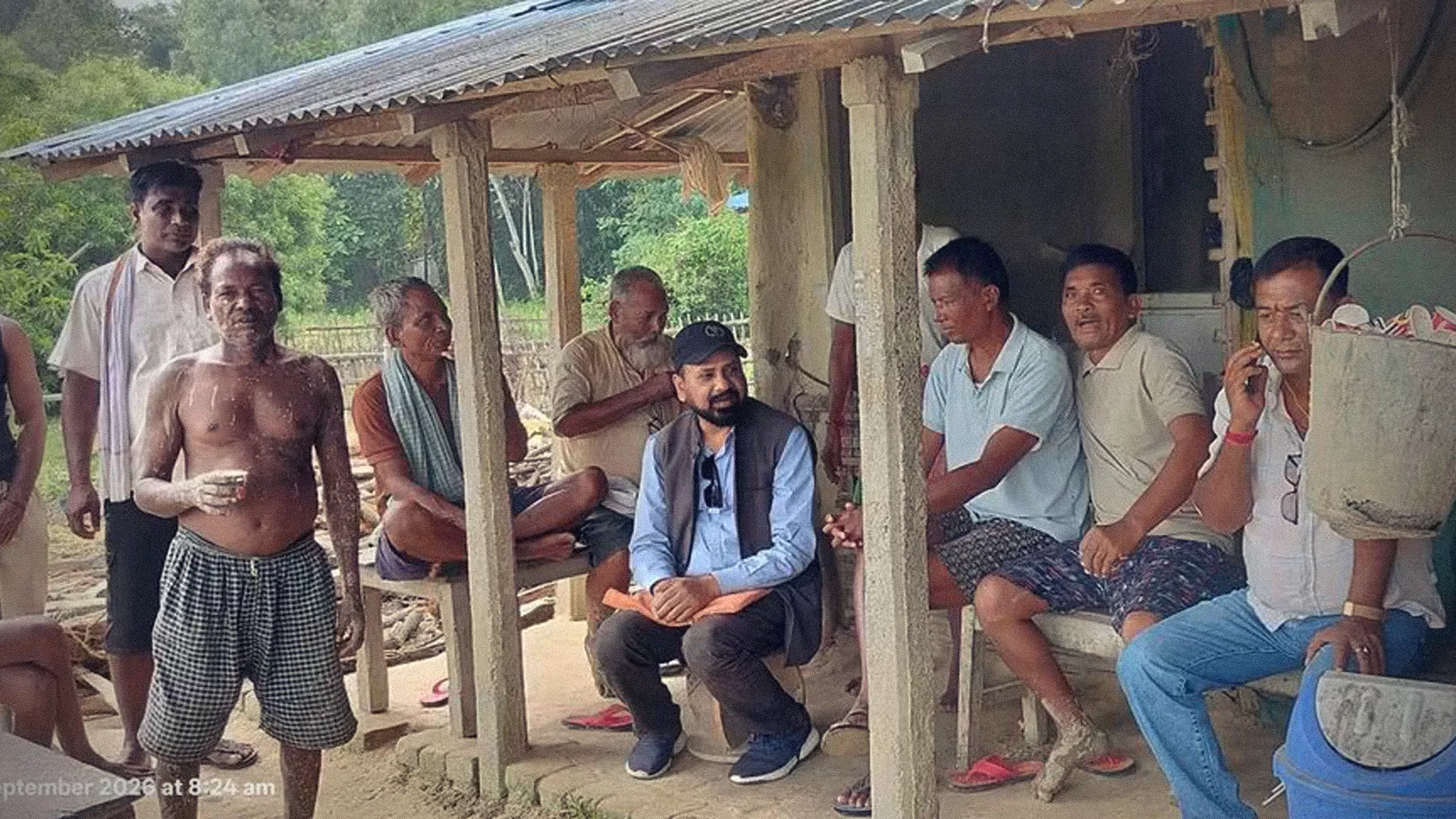
Rajbiraj - Politics is often remembered through grand scenes of speeches, power demonstrations, and publicity. However, in Nepal's rural politics, there are characters whose political identities are defined more by the physical structures and public-focused efforts they leave behind than by speeches.
Videshwar Prasad Yadav 'Vikki', a former provincial assembly member from Saptari Constituency No. 3 (B), is one such name.
In the 2074 BS election, Yadav was elected as a provincial assembly member from the then Rastriya Janata Party Nepal, securing 10,328 votes. According to the official results of the Election Commission, his closest rival, Bhagawati Prasad Yadav of the Nepali Congress, received 6,212 votes.
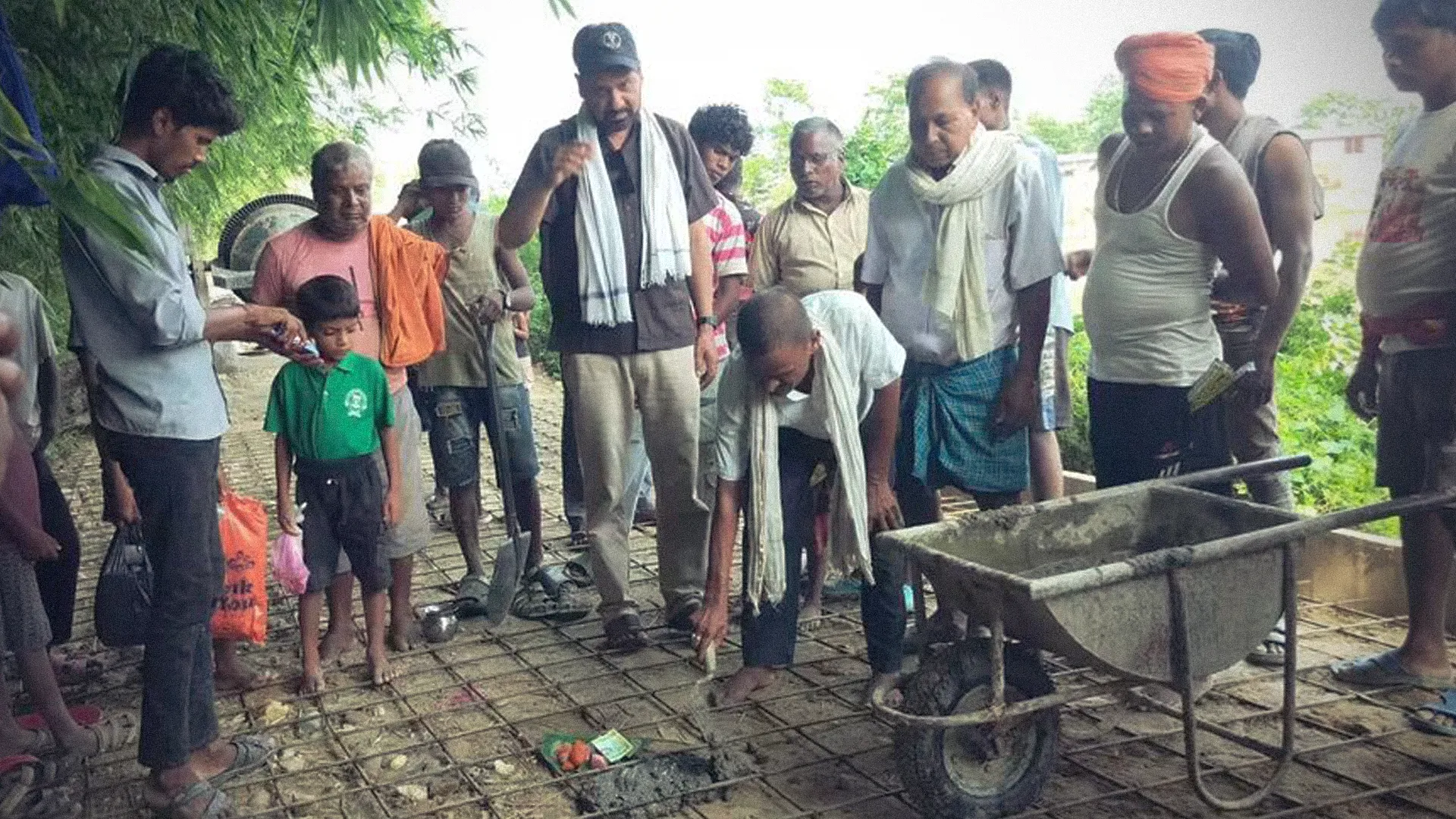
His supporters claim that after becoming a provincial assembly member, Vikki Yadav's political priorities remained focused on development issues in his constituency rather than power and position. Stating that state presence was weak in border and rural areas, he continuously advocated for projects involving roads, drinking water, community buildings, religious sites, and other small to medium infrastructure plans.
One formula to understand his political style was: 'Development first, government later.'
Why Oppose the Government While Being in the Ruling Coalition?
His party was a coalition partner in the then provincial government. Generally, ruling party lawmakers are expected to coordinate with the government to bring projects to their constituencies. However, in Vikki's case, those close to him say he chose pressure and protest to draw the government's attention to specific development issues.
Stating that rural settlements in his constituency required infrastructure such as roads, agricultural roads, drinking water, and community buildings, he repeatedly requested projects from the provincial government. He created political pressure to pull projects not only from development budgets but also from other government agencies. For this reason, his supporters began calling him 'Bikas Purush' (Development Man). However, this identity did not gain significant attention in the broader context of national politics.
The 48-Vote Verdict in 2079 BS
In politics, popularity and election results do not always move in the same direction. One example of this was seen in Saptari-3 (B) during the 2079 BS election.
Videshwar Prasad Yadav 'Vikki', running as a candidate for the Janata Samajbadi Party, was stopped at 10,814 votes. Shambhu Kumar Sah of the Janamat Party defeated him by 48 votes, receiving 10,862 votes.
Yadav, who had been elected by a clear margin five years earlier, was defeated this time by a margin of just a few dozen votes.
This result left a question: Why was a public representative who claimed to have carried out development work defeated by such a narrow margin?
The answer cannot be limited to a single factor. Party alliances, voter perception of the candidate, local political relationships, the rise of new political forces, and the immediate priorities of voters can all play a role in an election.
However, Vikki's supporters attribute his defeat to intra-party power struggles and political non-cooperation. They allege he did not receive sufficient political backing from the top leadership. This allegation could not be independently verified from available sources.
Heading to Patna Across the Border in Search of Development
One of the most notable episodes in Vikki Yadav's political journey was traveling to Patna with issues concerning the Western Kosi Canal.
The section of the Western Kosi Canal on the Nepal side, linked to the Nepal-India Kosi Agreement, had been in a dilapidated state for a long time. As the road alongside the canal deteriorated, citizens in Saptari's border settlements faced commuting difficulties.
Despite efforts by the Madhesh Province government and other levels to draw the Indian side's attention, he noted that the problem did not resolve at the expected pace.
He then traveled to Bihar, India himself.
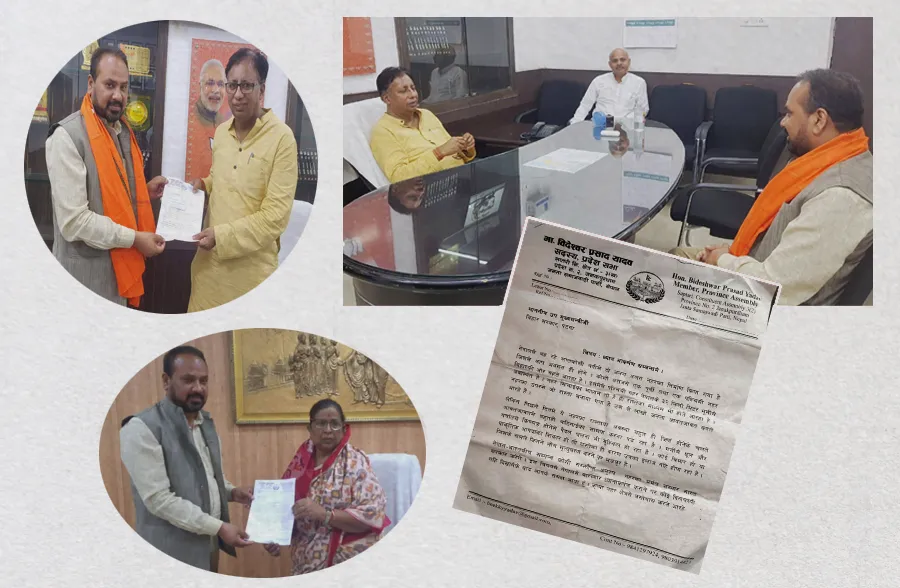
Then provincial assembly member Videshwar Prasad Yadav 'Vikki' met the then Deputy Chief Minister of Bihar, Renu Devi, and drew attention to the implementation of the Kosi Agreement and problems related to the Western Kosi Canal.
He met with relevant officials and political leadership on the Indian side to raise the issue of repairing and reconstructing the canal and its adjacent road.
This was not merely a demand for a single road. For farmers in the border area, the canal represents irrigation infrastructure, while the canal bank road is a lifeline for local transportation.
A Question Raised After 28 Years?
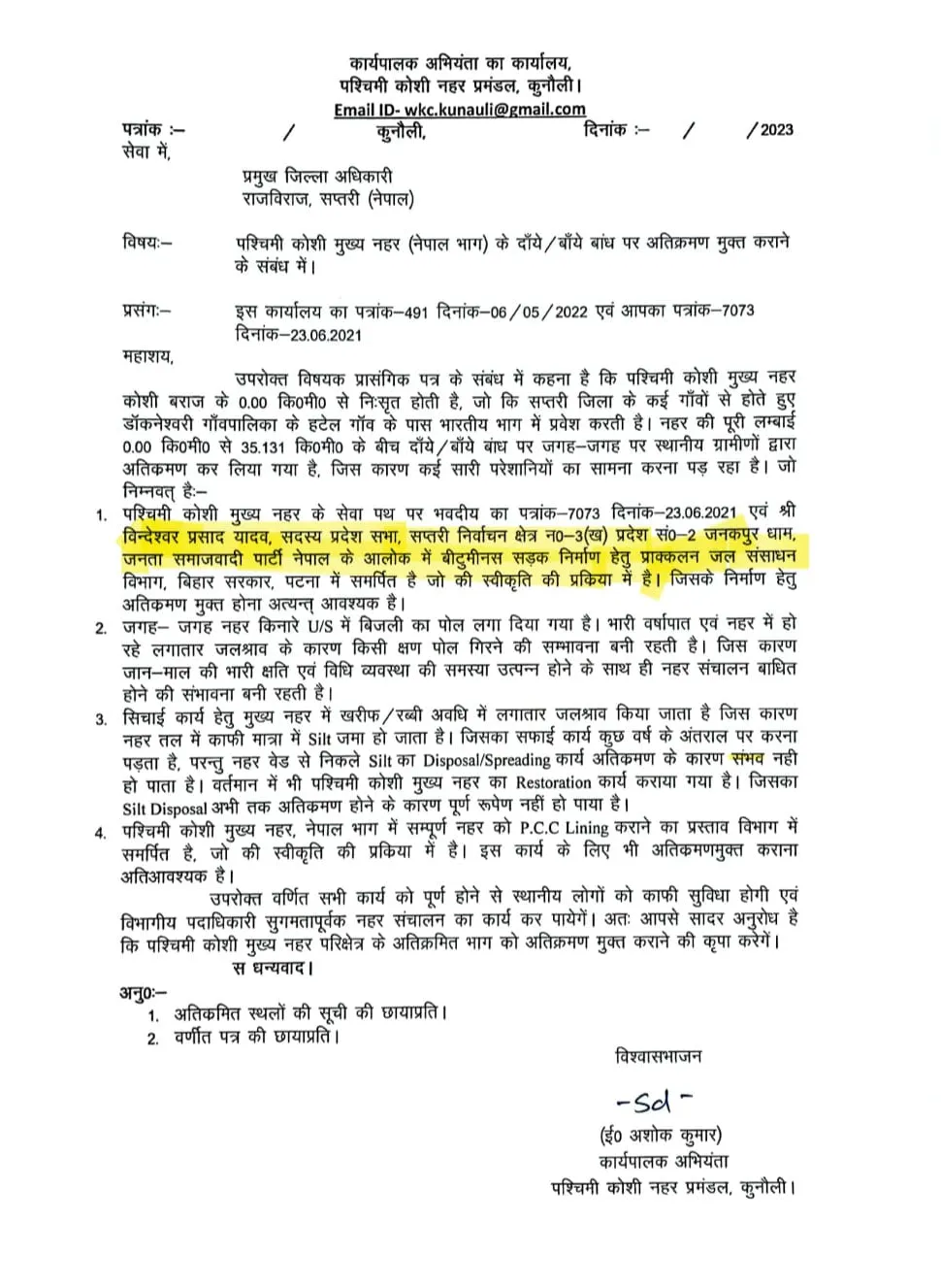
When Vikki reached Patna to meet Indian officials, he received feedback that he was the first public representative from Nepal to directly highlight the issues of the Western Kosi Canal on the Nepal side. Records of the Water Resources Department of the Bihar Government show the publication of a tender notice for maintenance and silt cleaning related to the Nepal section of the Western Kosi Main Canal.
This demonstrates at least one thing: the Western Kosi Canal on the Nepal side fell under the formal scope of work of the Indian water resources agency.
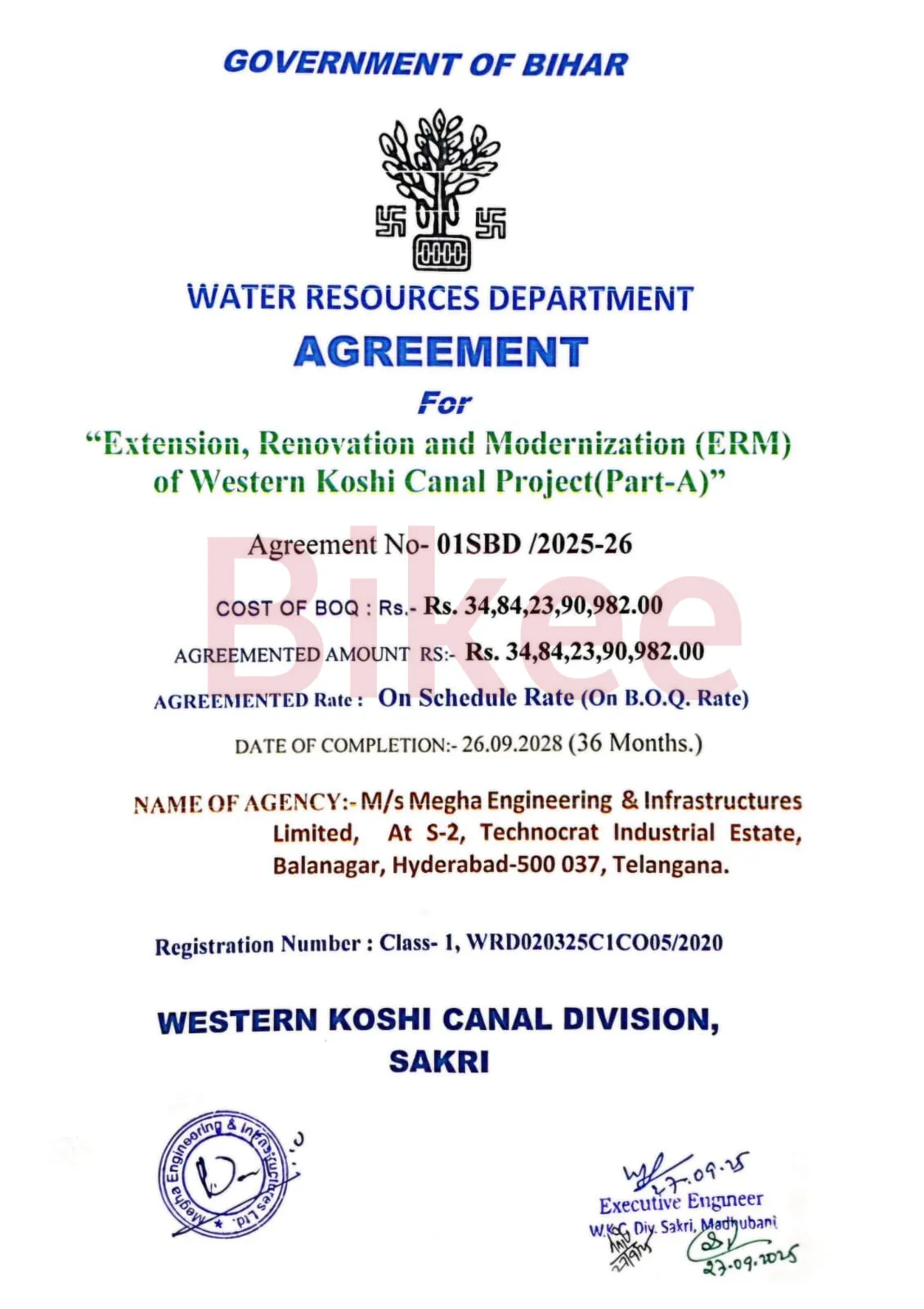
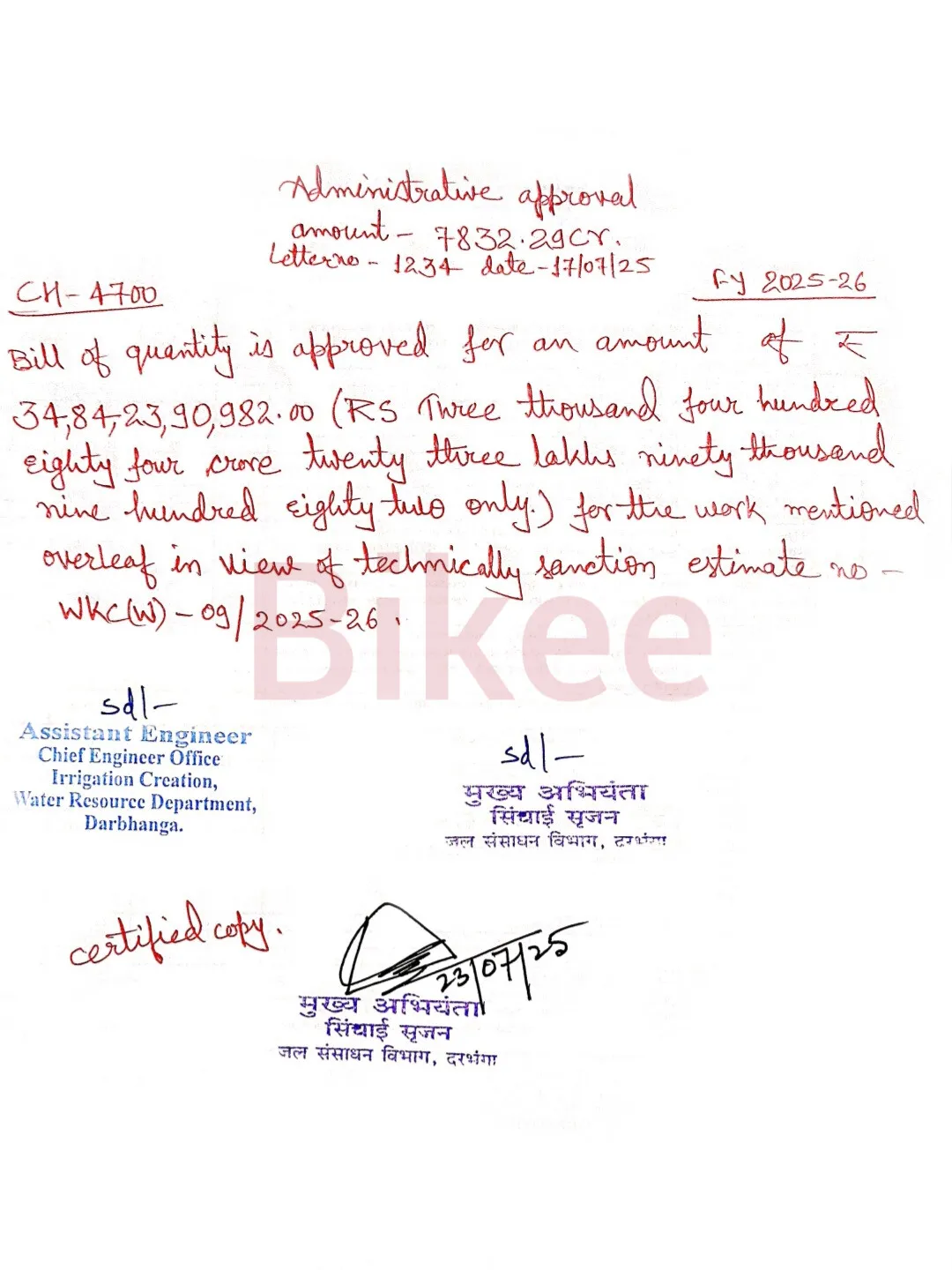
According to Vikki, the process moved forward following his initiative, leading to a situation where construction and repair work on the canal and adjacent road could proceed. The total budget for the project being constructed by the Bihar Water Resources Department with support from an Indian construction company stands at 34,84,23,90,982 Indian Rupees.

Interested in this ad?
Would you like to continue to the link or provide your information for more details?
Please provide your information
To continue, please fill in your details
An Individual Lawmaker's Effort or a Systemic Process?
At this point lies another aspect of the story.
A major government project is not completed through the efforts of a single individual alone. It involves multiple levels of agreements between two countries, relevant governments, ministries, departments, technical bodies, budgets, tenders, and construction processes. However, a public representative bringing a long-stalled local issue to the capital of the concerned country and drawing the attention of relevant agencies is also a significant aspect of a representative's role.
This is where Vikki's story becomes intriguing.
From Border Village Politics to Development Politics
Looking at the geography of Saptari-3 (B), it is not an area frequently discussed in Kathmandu's political debates. However, whether roads reach the villages, whether canals function, whether drinking water is available, and whether farmers can transport produce to markets are matters no less important to local citizens than national political debates.
Supporters argue that Vikki Yadav's tenure should be evaluated at this local level.
According to them, across a region spanning 17 wards, he initiated efforts to bring small and medium projects including rural and agricultural roads, drinking water, community buildings, temples, and mosques.
A separate public audit is necessary to assess how many of these plans were completed, their quality, the budget utilized, and their long-term impact.
However, looking at politics solely through the numbers of electoral wins and losses risks overlooking such evaluations.
An Election Lost by 48 Votes, But Unanswered Questions Remain
The 2079 BS election results sent Vikki Yadav out of the provincial assembly. But that defeat was not an ordinary political loss—it was a defeat by a margin of just 48 votes.
This highlights an irony in his political journey.
Elected with a clear margin in 2074 BS, he found himself in a highly competitive position in his own constituency after a five-year term. On the other hand, despite losing the election, he has remained active in the political structure of the JSP. A JSP document lists him as a Central Committee member.
Therefore, Vikki's story is not merely that of a leader who 'won once and lost next time.'
It connects to the question of how the work of a public representative from a rural area is evaluated when local development issues are made a political priority.
Who Writes History?
In politics, those who receive attention are often those who get large platforms, deliver grand speeches, or consistently appear on social media.
However, the politics of development is sometimes quiet.
After a rural road is built, photos of its inauguration may disappear within days. But after a dilapidated canal is repaired, farmers receiving water from it benefit for years. After a community building is constructed, hundreds of events held within it may never make the news.
Thus, the true evaluation of a public representative should not be based solely on publicity, but on the issues raised while in public office, projects brought forth, work completed, and their impact on people's lives.
Vikki Yadav's political journey raises this very question.
Amid the loud voices of central politics, how much space does history accord to a public representative who travels demanding roads, canals, drinking water, and infrastructure for border villages?
Even after losing by 48 votes in the 2079 election, Vikki Yadav's political story does not seem to end there.
Instead, his story sparks a different debate—
Are popularity and development evaluated on the same scale in politics?
And an even more crucial question—
Is losing an election the same as losing the work done for the people?