


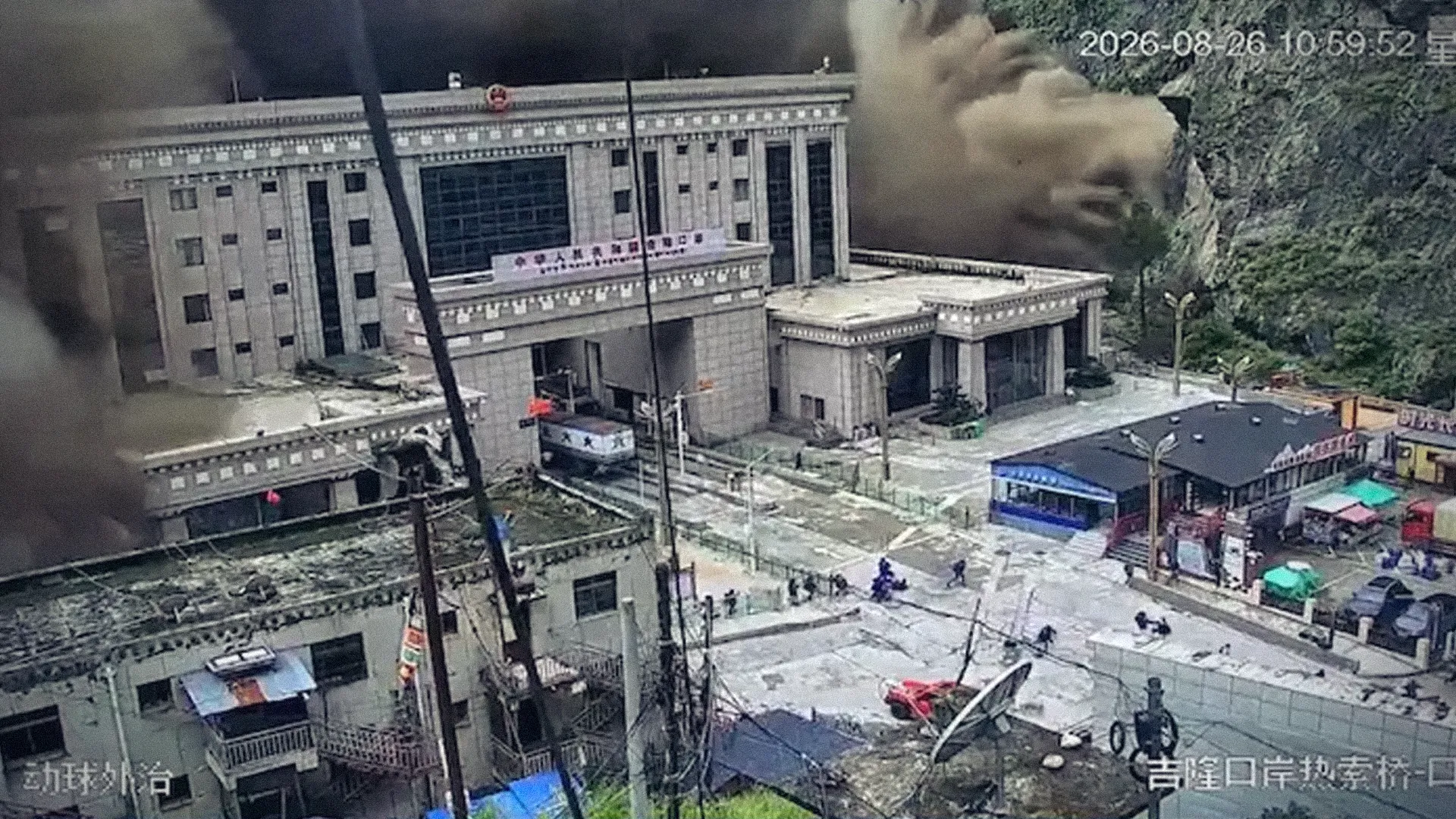
On August 26th, a devastating mudslide struck the China–Nepal border, swallowing entire buildings at Gyirong Port in Tibet within seconds. The catastrophe exposed not only the fragility of mountain communities but also the stark contrast between two nations’ responses. While Nepal’s limited military resources were mobilized with urgency and transparency, China’s rescue operations were marred by censorship, staged publicity, and bureaucratic paralysis. This disaster has become a case study in how authoritarian control can undermine the very essence of humanitarian relief.
Within five days of the disaster, Nepalese soldiers had rescued over 10,451 survivors, recovered 93 bodies, and were still searching for more than 4,200 missing people. Despite operating with fewer than 100,000 personnel and a modest fleet of helicopters many of them aging models from the U.S., France, Italy, India, and Russia, the Nepalese military acted decisively. They deployed helicopters immediately, navigated cut-off valleys, installed oxygen pipelines in blocked tunnels, and pulled out trapped civilians, including 38 Chinese nationals. Their actions reflected the basic duty of a military in peacetime: to protect lives. Nepal’s transparency, constant updates, and visible compassion earned respect both domestically and internationally.
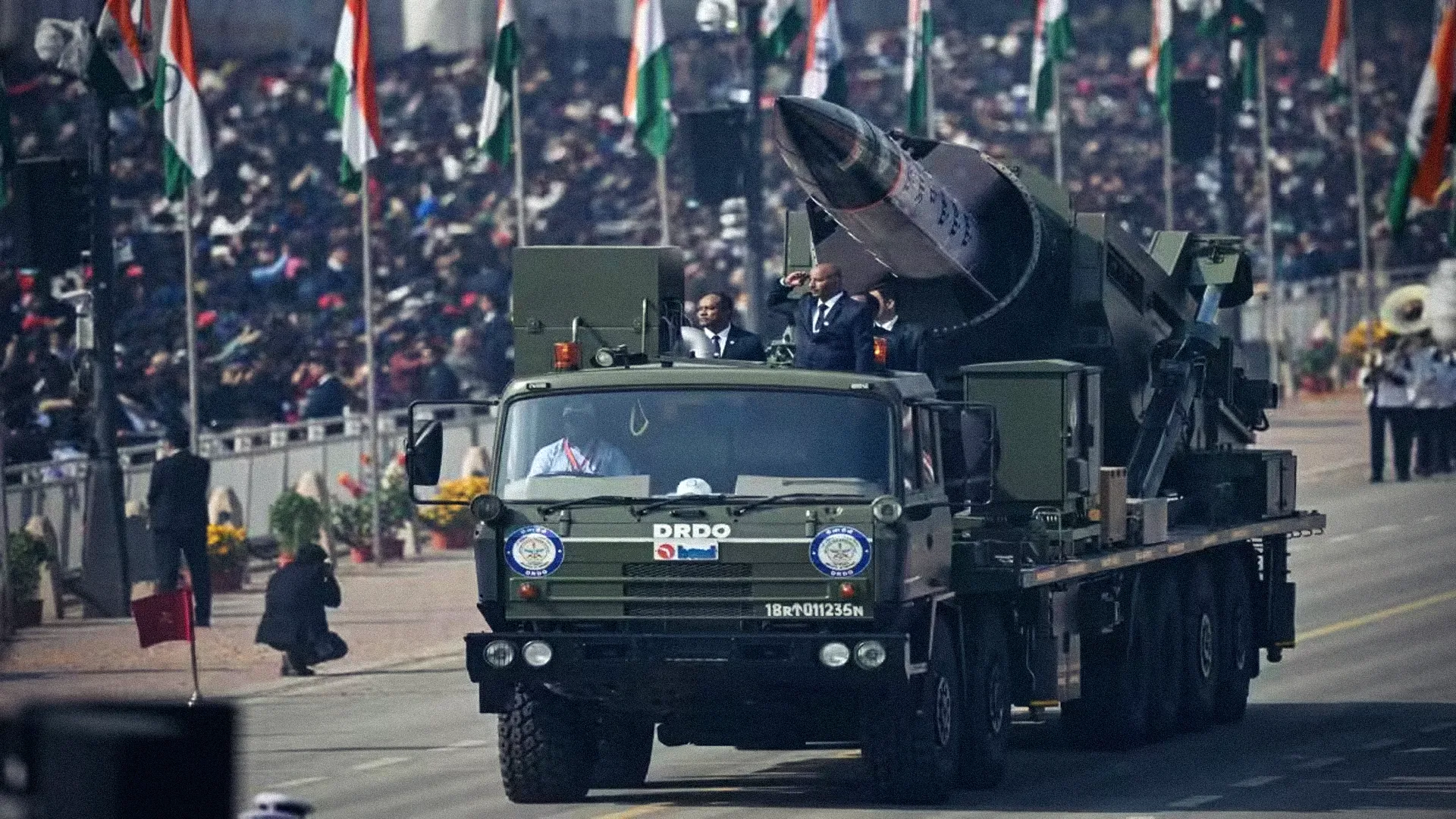
By contrast, China’s official figures reported only 16 deaths and 546 missing on its side of the border. Despite deploying 2,141 personnel and nearly 4,000 sets of equipment, the number of survivors rescued was zero. Videos from Tibet were censored, deleted, and blocked, while state media showcased carefully choreographed footage of soldiers marching in neat formations, residents waving flags, and elderly women handing gifts to military vehicles. Critics described these scenes as “straight out of a CCTV script.” The reality was grim: even after the critical 72-hour rescue window had passed, Chinese teams were still standing on ruins, calling out “Is anyone there?”, a gesture more symbolic than effective.
China operates approximately 1,500 helicopters, yet during the disaster, only two were deployed days later, and even then, they dropped supplies rather than conducting aerial rescues. Initial reports from PLA Daily claimed “firm implementation of orders” and “emergency response measures,” but these were later quietly revised to reflect limited drone surveys and small-scale personnel deployments. Ground forces struggled against unstable mud, destroyed roads, and fast-moving water, reaching the disaster zone only after three days. The question remains: was this failure due to lack of capability or lack of willingness? Observers argue it was neither, it was a deliberate prioritization of political image over human lives.
The disaster coincided with internal turmoil in China’s military leadership. Just days after the mudslide, the National People’s Congress announced the removal of senior generals, including Vice Chairman Jhang Youxia and CMC member Liu Zhenli, as part of Xi Jinping’s ongoing military purge. Since 2022, at least 101 senior officers have been purged, leaving Xi and one other top-level member effectively in charge. Analysts suggest this weakened command structure created confusion over who truly gave orders and whether rescue operations were ever intended to be more than public display. Some commentators even speculated Xi feared a military rebellion, restricting helicopter deployments to avoid risks that could expose deeper weaknesses.

Interested in this ad?
Would you like to continue to the link or provide your information for more details?
Please provide your information
To continue, please fill in your details
China’s propaganda machine has long showcased drones, robots, and advanced firefighting systems as proof of technological superiority. Yet when disaster struck, these tools were nowhere to be found. The absence of large-scale aerial searches, robotic rescue systems, or advanced monitoring equipment revealed the hollowness of China’s claims. Veteran commentators noted that Chinese helicopters have never been tested in actual combat or large-scale rescue missions, raising doubts about their reliability. Deploying them in difficult terrain risked accidents that could further damage the military’s imagea risk the CCP was unwilling to take.
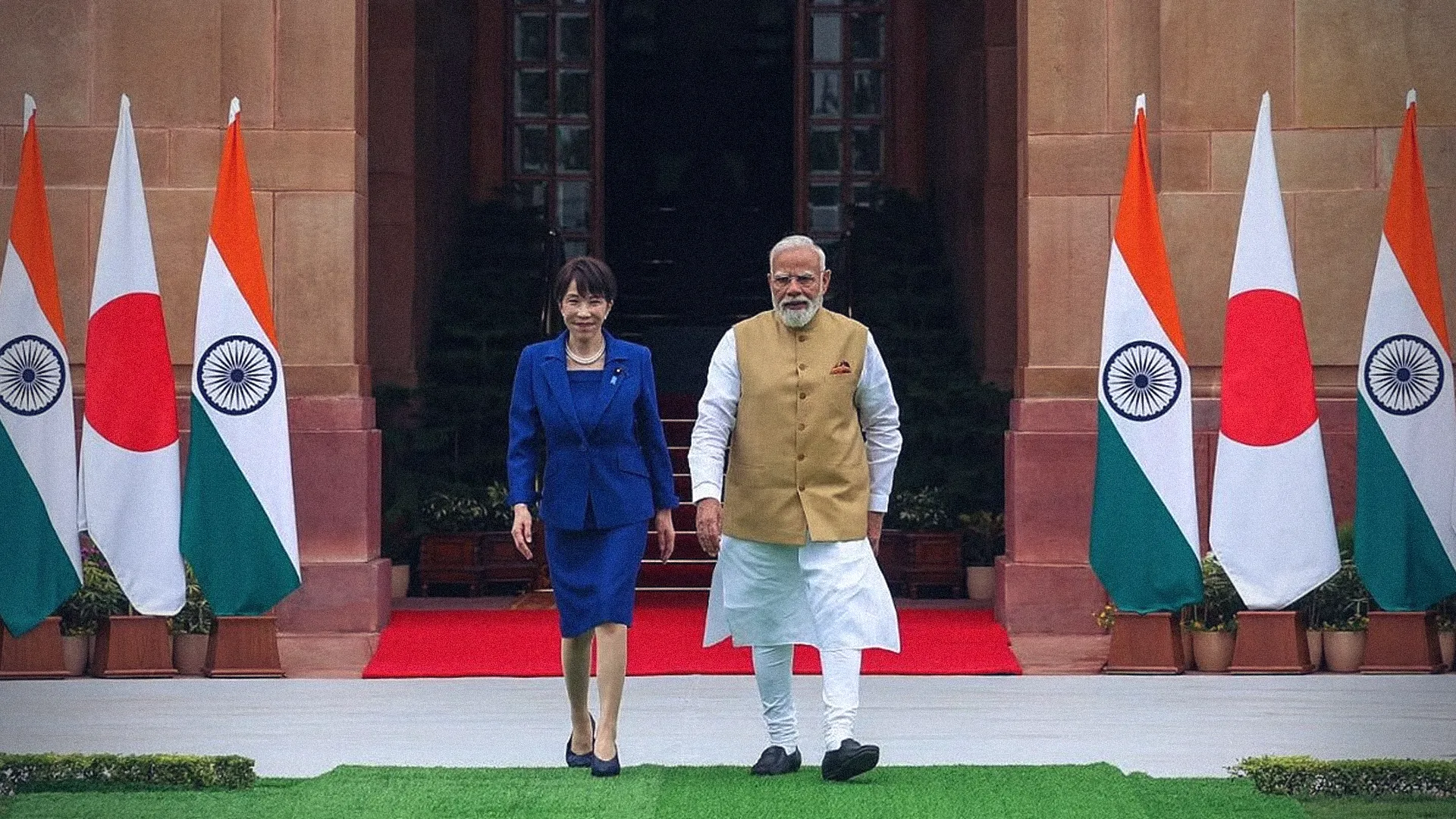
Part of Nepal’s success lies in its political transformation. Following a Gen Z-led revolution last year that ousted pro-China Prime Minister KP Sharma Oli, Nepal embraced transparency and accountability. The election of 35-year-old Prime Minister Balen Shah in March 2026 brought fresh leadership. His direct involvement in disaster response, coupled with the military’s sincerity, won praise from citizens and the international community. Nepal demonstrated that even a small developing country can uphold humanitarian values and earn credibility in times of crisis.
China’s failure was not accidental, it was systemic. Under the CCP, disasters become political stages, the military becomes a tool for performance, and ordinary people are reduced to instruments of propaganda. The mudslide revealed timid command, rigid resource deployment, and a deeper reality: at moments of life and death, the priority was not saving lives but preserving political image. Critics argue that the CCP’s obsession with control and secrecy has eroded the military’s ability to act decisively in genuine emergencies.
The mudslide at Gyirong Port exposed two radically different approaches to disaster relief. Nepal, with limited resources, acted with urgency, transparency, and humanity. China, with vast resources, responded with censorship, staged performances, and bureaucratic hesitation. The tragedy revealed the gap between propaganda and reality in the CCP’s military, raising questions about its readiness not only for humanitarian crises but also for future conflicts. Ultimately, Nepal earned respect by protecting lives, while China lost credibility by protecting its image. The disaster stands as a reminder that in times of crisis, sincerity and transparency matter more than staged displays of power.