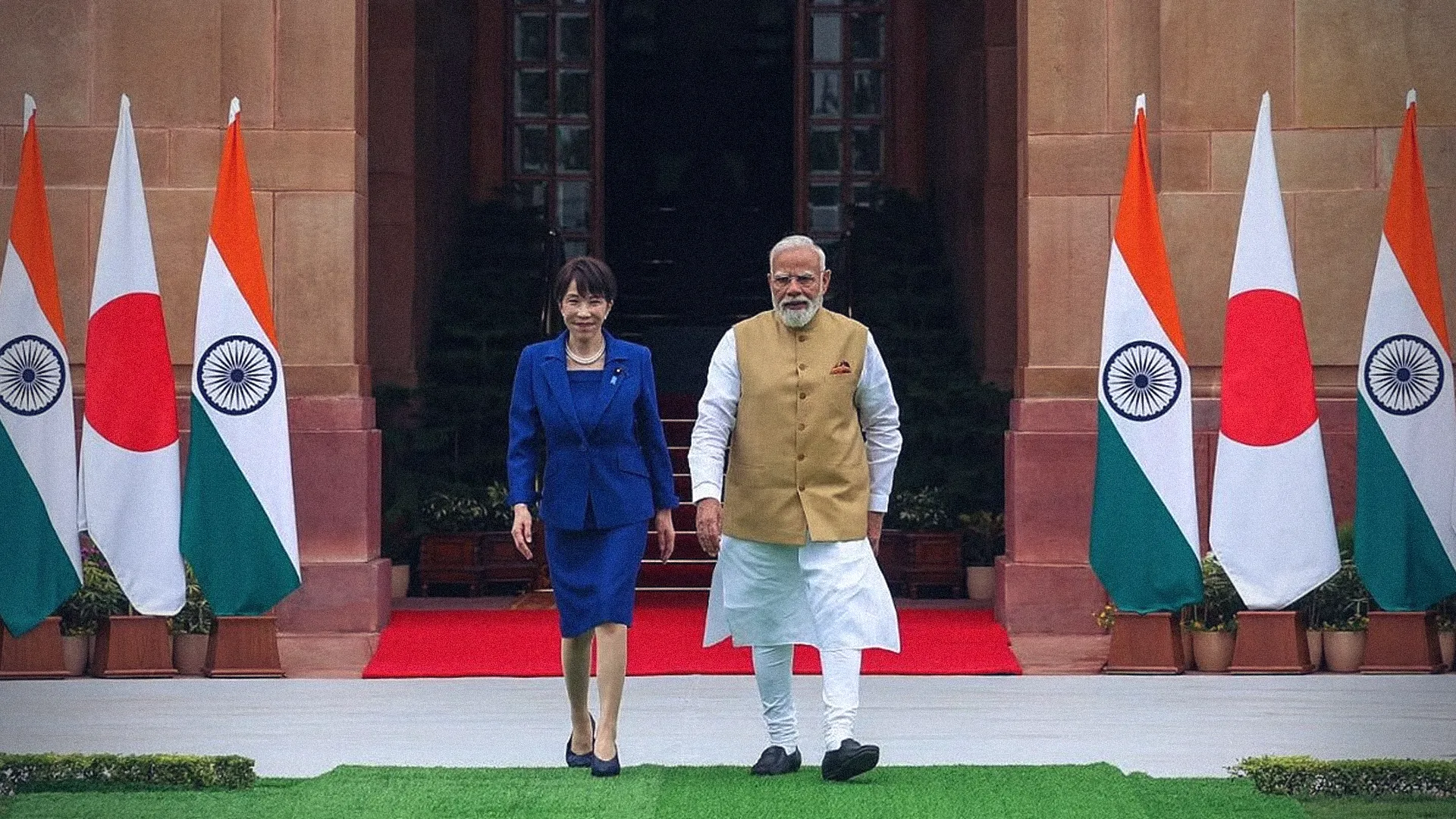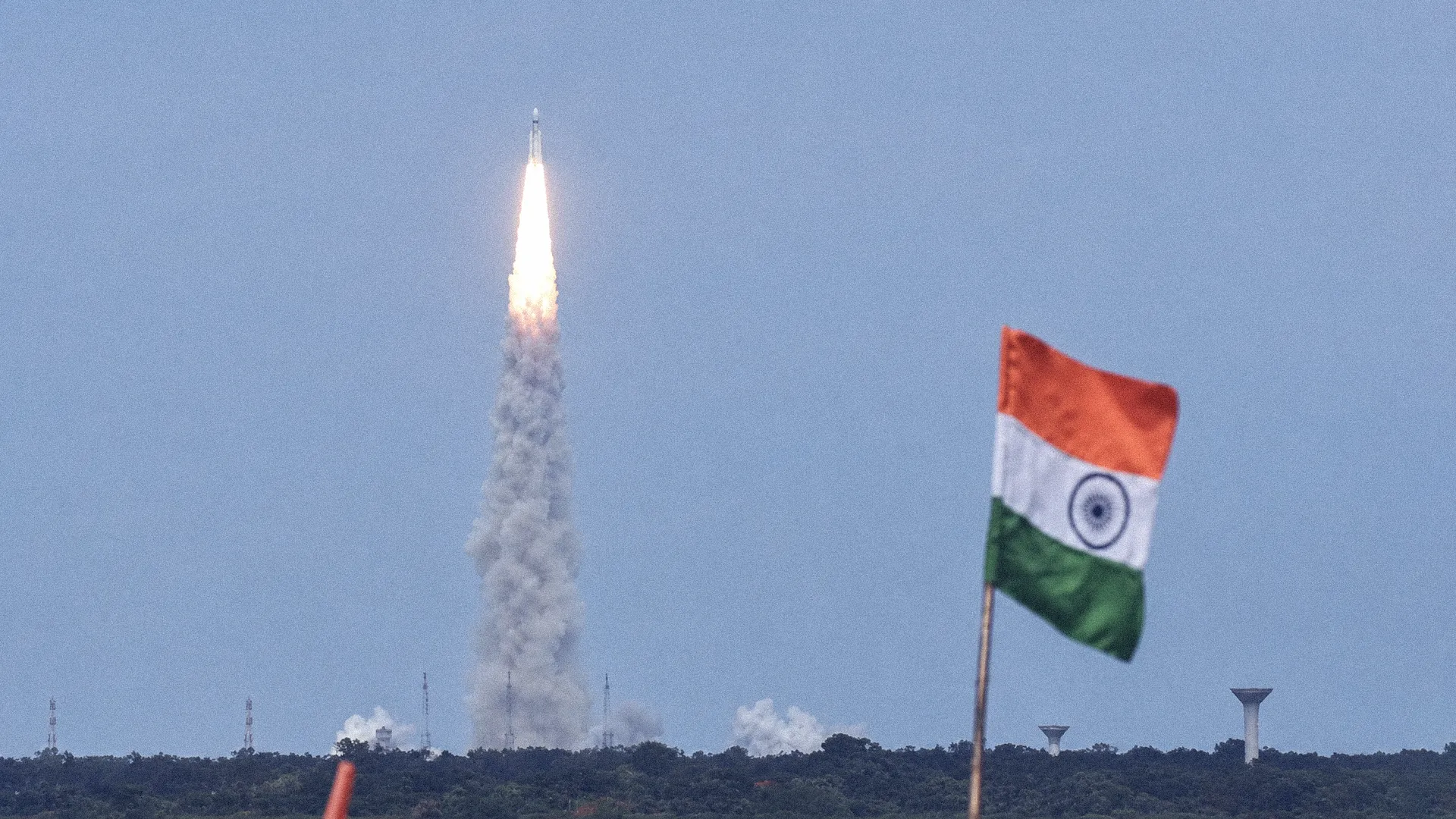


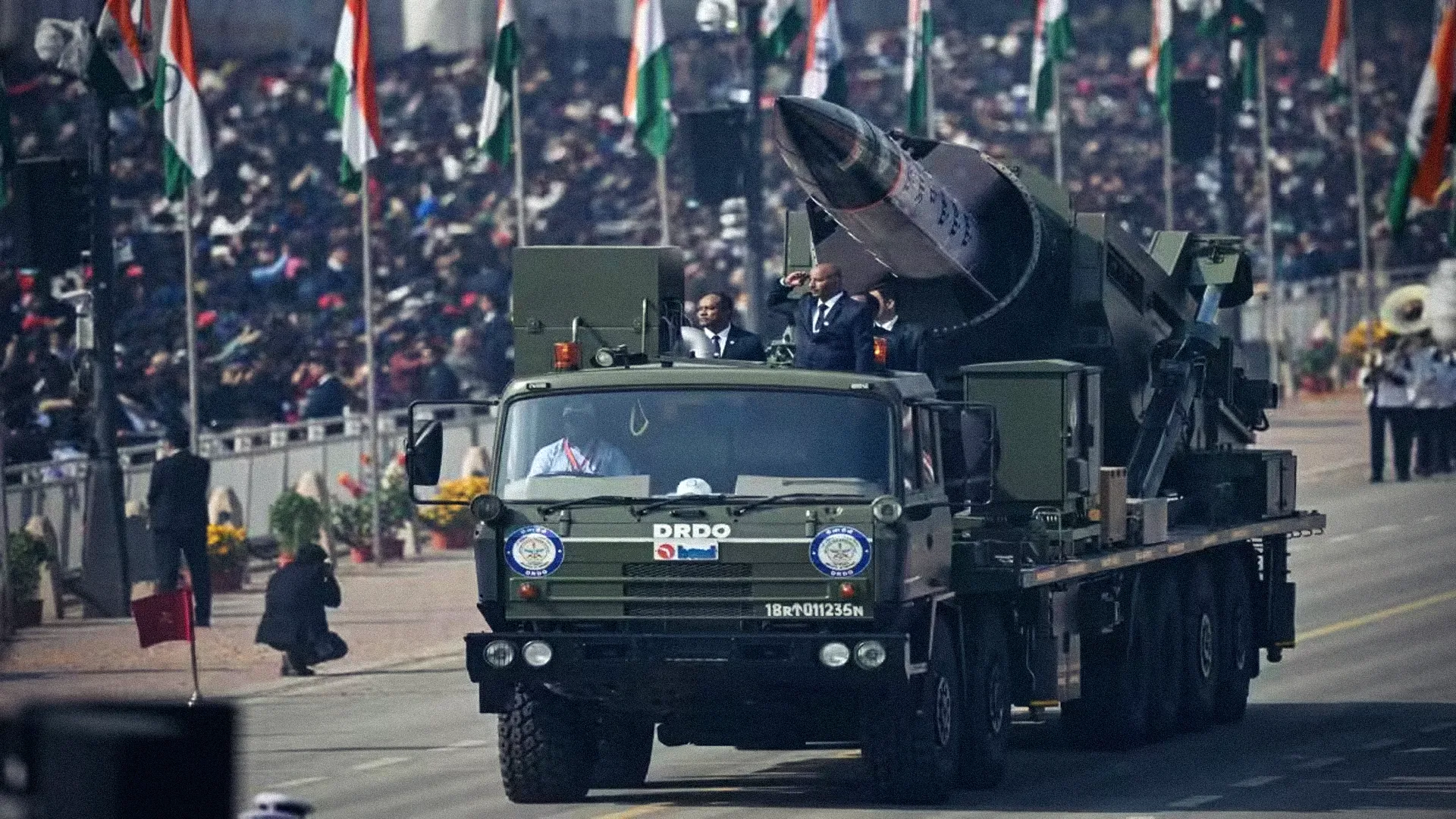
India’s aggressive push toward self-reliance in military manufacturing is rapidly altering the geopolitical landscape of South Asia. By expanding its domestic industrial base alongside its defense capabilities, New Delhi is transitioning from one of the world's largest arms buyers into an emerging global supplier.
The strategic overhaul covers indigenous production of combat aircraft, warships, missile systems, and advanced radar technology. This shift aims to diminish foreign supply dependencies while stimulating domestic technological innovation and employment.
Beyond fulfilling internal defense requirements, Indian defense firms are increasingly exporting military hardware abroad. This expansion into global markets underscores a broader industrial strategy that integrates artificial intelligence, cyber defense, drones, space technology, and semiconductor manufacturing.

Interested in this ad?
Would you like to continue to the link or provide your information for more details?
Please provide your information
To continue, please fill in your details
This defense modernization carries profound implications for South Asian power dynamics, particularly against the backdrop of China’s military expansion across the Indo-Pacific. Simultaneously, as Pakistan faces severe economic and political hurdles, the military-capability gap between the two neighbors is widening significantly.
For regional neighbors like Nepal, India’s evolving defense infrastructure offers potential avenues for enhanced security collaboration, including joint disaster management, capacity building, and border management technologies. Ultimately, India’s defense drive serves as a foundation for long-term strategic autonomy and economic growth.