


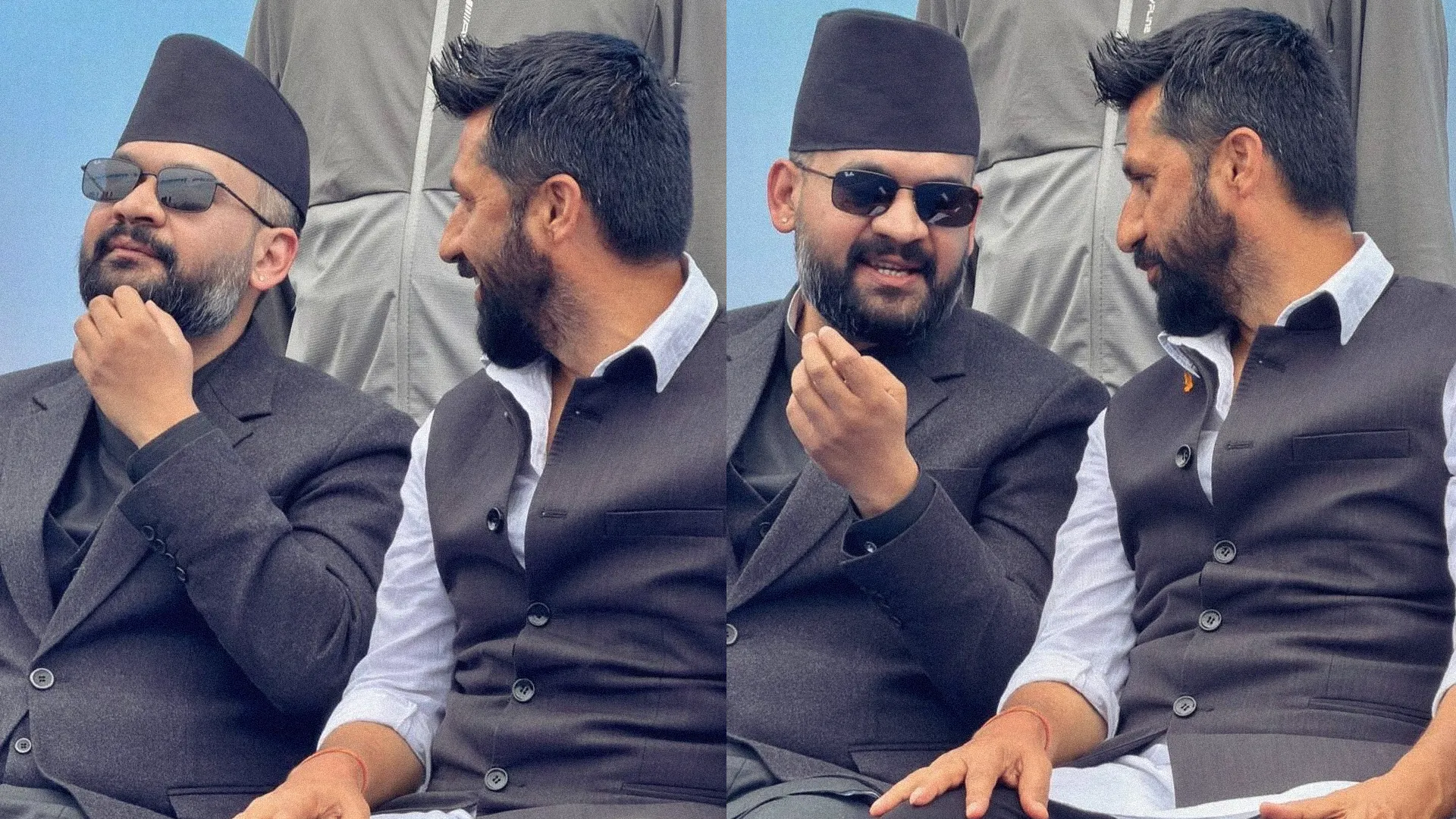
Kathmandu — To resolve the scramble for power and the intense competition for ministerial berths during the formation of the new government, a new 'formula' has been introduced within the Rastriya Swatantra Party (RSP). During rigorous negotiations regarding power-sharing between Prime Minister candidate Balendra Shah (Balen) and Party Chairman Ravi Lamichhane, serious discussions were held on implementing a 'one person, one post' policy.
With a long line of aspiring MPs and leaders wanting to join the government, the RSP leadership was struggling to finalize the cabinet. To break this deadlock and make the government's work effective, Balen's faction brought forward this new proposal.
What is the 'One Person, One Post' Proposal?
The core essence of this policy is ending dual responsibilities. If any RSP office-bearer or central-level leader wishes to become a minister, they must hand over their executive responsibilities or party positions to someone else. In other words, the leader becoming a minister will have to resign from or temporarily suspend their party post.
Observing the traditional parties where holding both ministerial and key party positions simultaneously weakened the performance of both the government and the party, the RSP is planning to initiate this new practice to avoid the same pitfalls.
Two Main Benefits of the Proposal:

Interested in this ad?
Would you like to continue to the link or provide your information for more details?
Please provide your information
To continue, please fill in your details
-
100% Focus on Delivery: Upon becoming a minister, one must devote full time to state affairs and public service. Without the burden of party work, the performance of the ministers is expected to be outstanding.
-
Smooth Party Operation: The objective is to ensure that the party's organizational work does not halt when top leaders join the government. It also allows the new generation or leaders outside parliament to take on party leadership. This will balance internal democracy and the distribution of opportunities within the party.
Both Ravi and Balen Positive
According to high-level political sources, Party Chairman Ravi Lamichhane also appears highly positive about this proposal brought by Balen's side. Although there were some initial differences over who gets the authority to select ministers, the 'one person, one post' policy has brought both leaders to a 'win-win' situation.
If this policy is implemented, Chairman Lamichhane will be able to devote his full time to strengthening the party organization, while Balen, as Prime Minister, will be able to execute independent and effective work through his cabinet.
Currently, intense dialogue is underway between the two leaders to finalize this proposal. Political analysts state that if this agreement materializes, the RSP will introduce a new, exemplary practice of good governance and organizational management in Nepali politics.