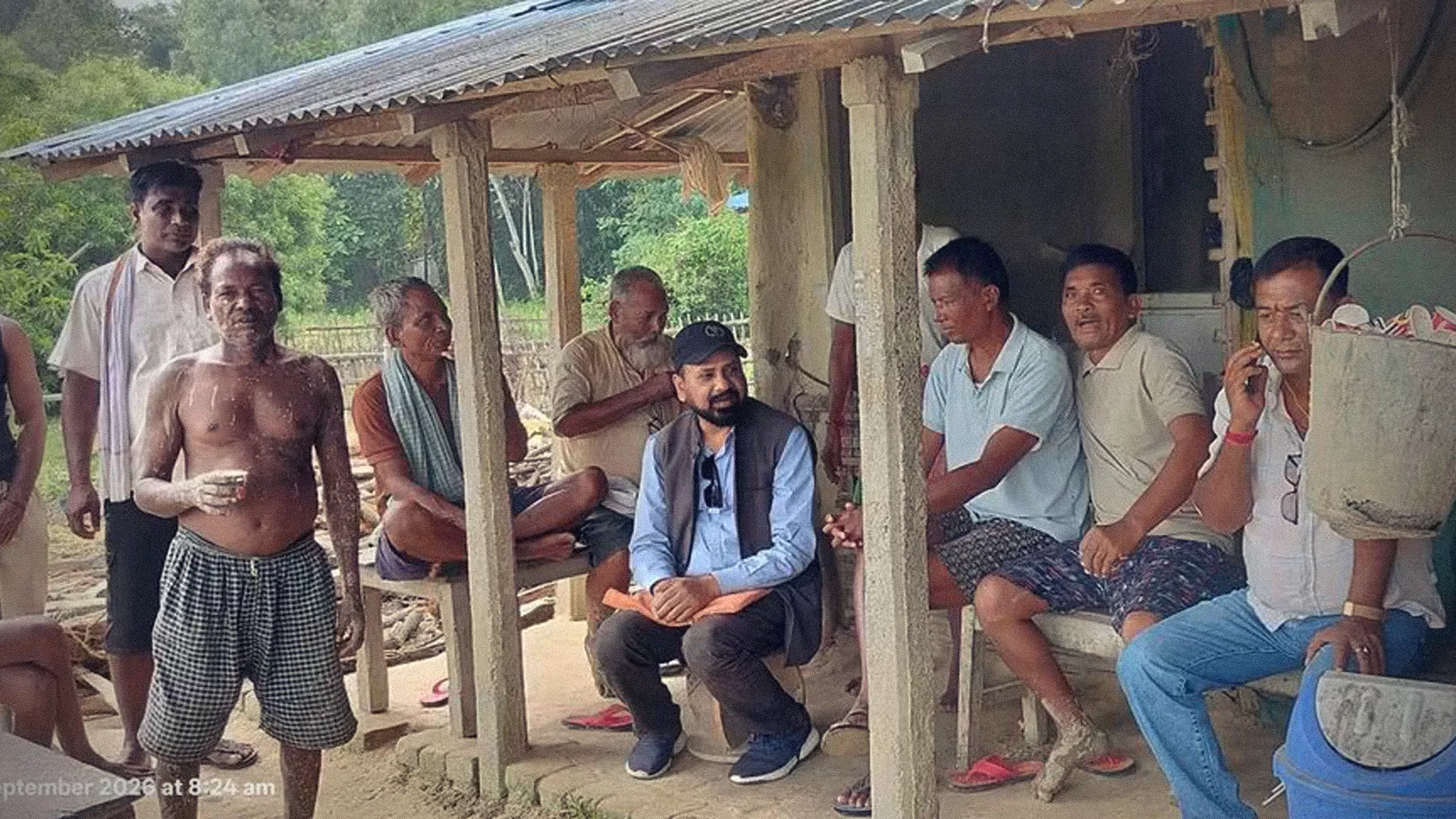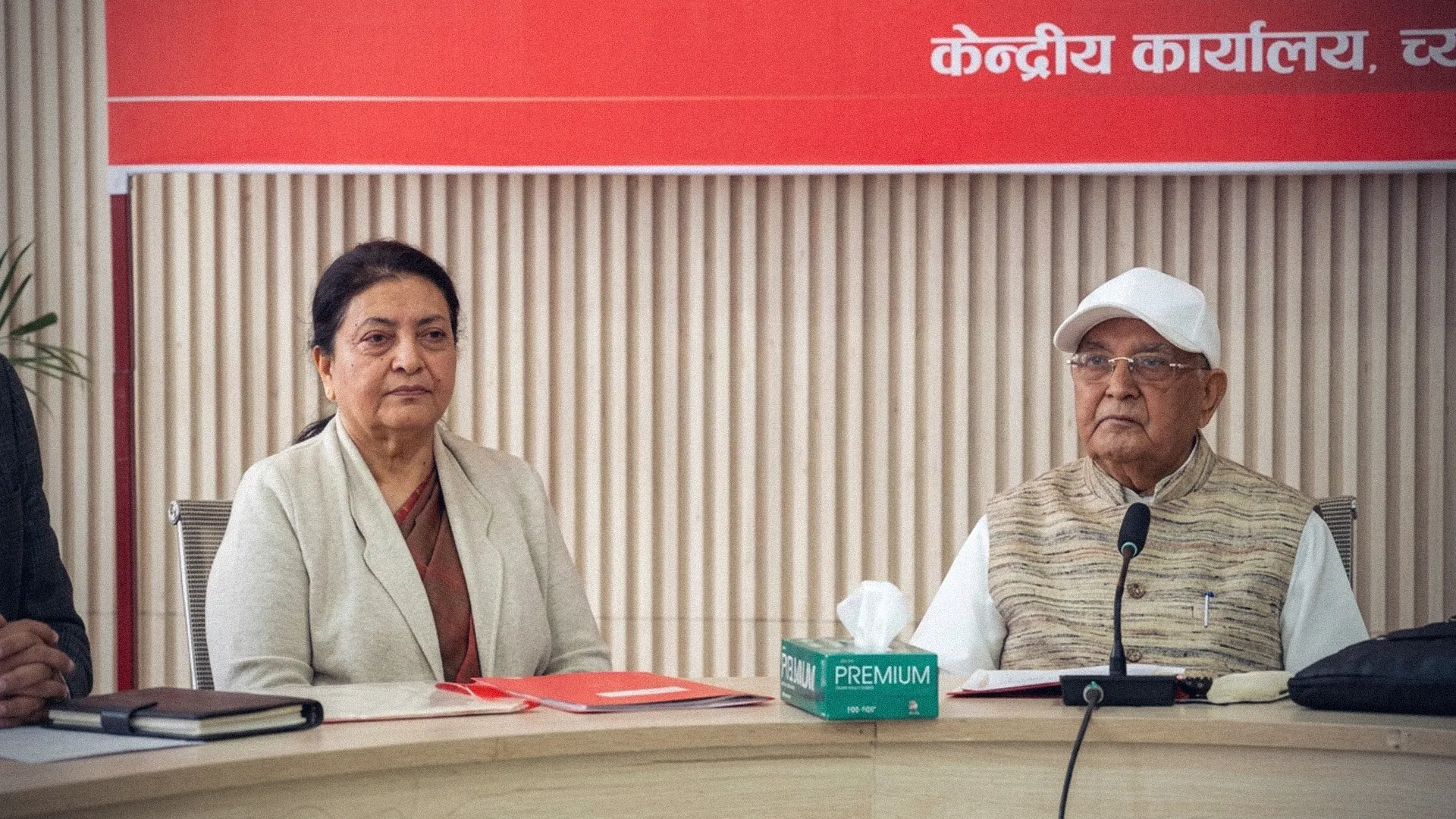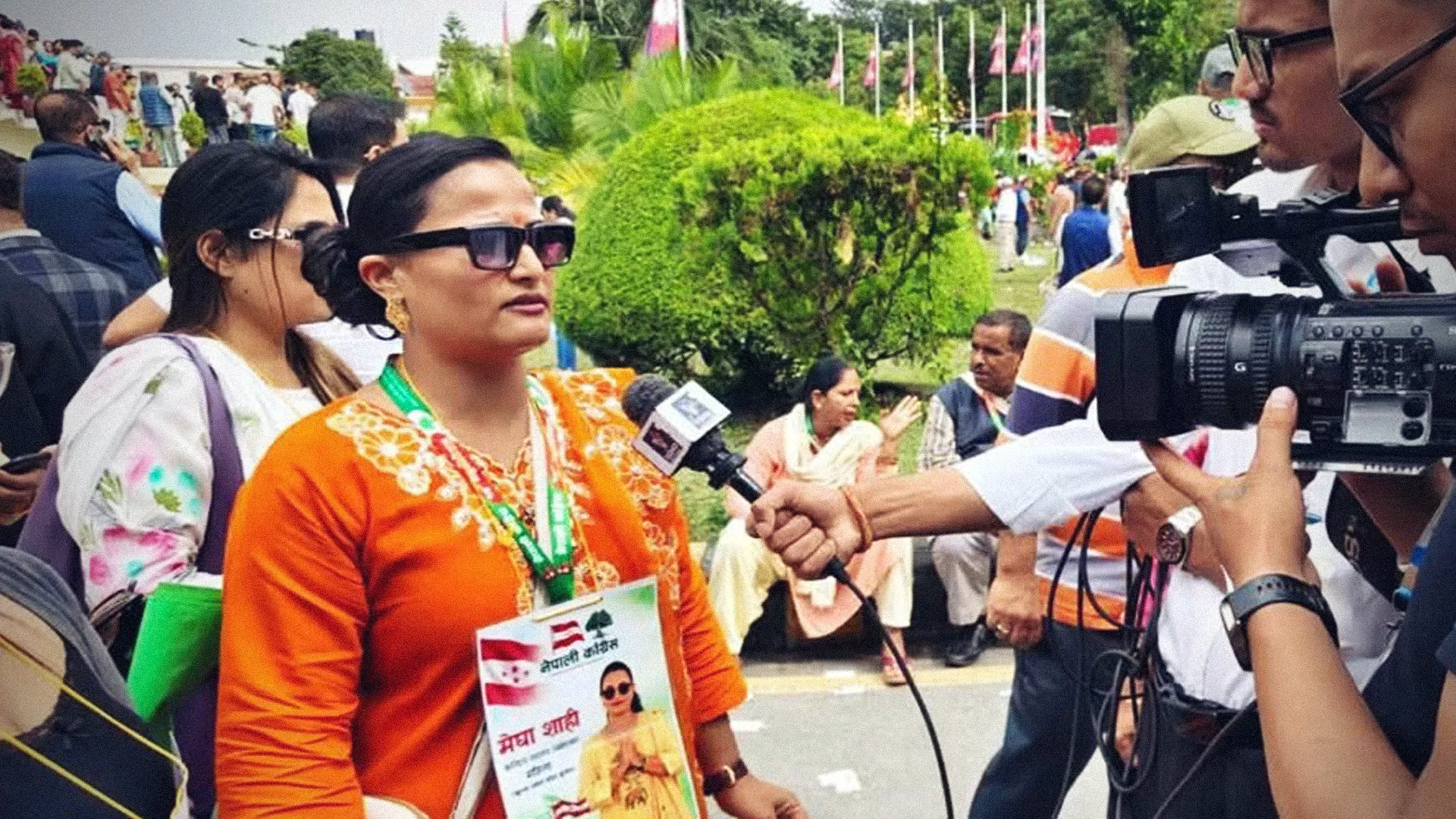



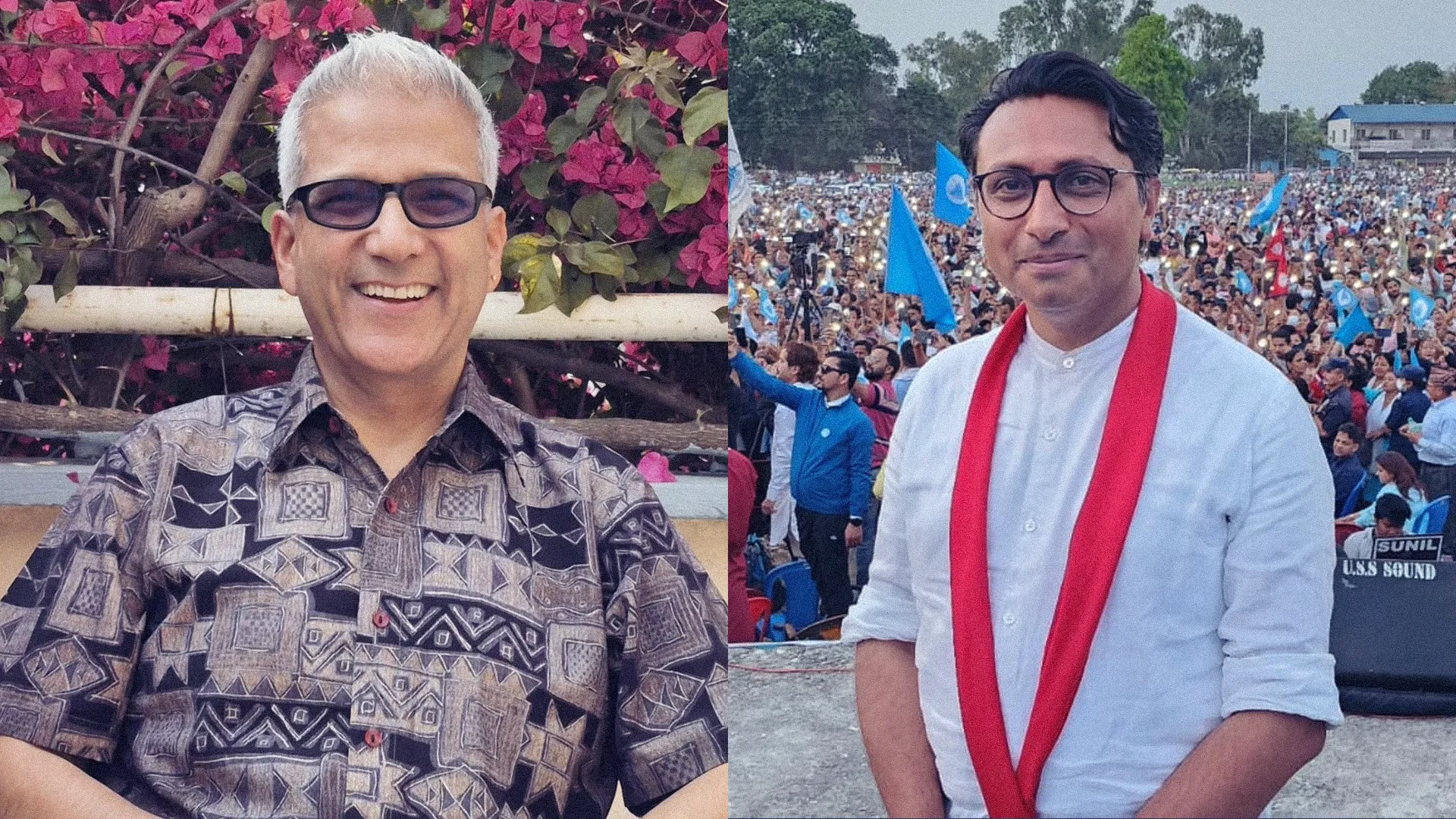
Political leader Rabindra Mishra has issued a public appeal to Finance Minister Swarnim Wagle, urging him to prioritize scientific land-use and urban planning in the forthcoming budget. Highlighting their 30-year-old acquaintance, Mishra framed the request as a critical intervention to prevent the Kathmandu Valley from becoming an uninhabitable "concrete jungle" within the next three decades.
Mishra’s concern focuses on the irreversible nature of poor urban planning. While economic indicators and social policies can be rectified over time, he argued that flawed land-use patterns leave scars that last centuries. He specifically pointed out that managing "elite slums"—disorganized urban sprawls created by the wealthy—is globally recognized as a far greater challenge than relocating temporary settlements.
The core of Mishra's proposal is a phased government acquisition of land. He suggested that the state should secure stadium-sized plots every three to four kilometers across the capital to develop parks and playgrounds. To avoid legal hurdles and social friction, he recommended offering compensation slightly above market rates to landowners, ensuring a smoother transition for public interest projects.

Interested in this ad?
Would you like to continue to the link or provide your information for more details?
Please provide your information
To continue, please fill in your details
Acknowledging Wagle’s expertise and global exposure, Mishra noted that while the Finance Minister is rightly pained by systemic corruption, the destruction of the country's physical landscape is an equally grave "crime against the land." He emphasized that even if the economy grows and poverty declines, the quality of life will plummet if citizens lack open spaces to breathe.
Mishra concluded by expressing hope that the upcoming budget would serve as a transformative milestone for Nepal. He warned that without immediate budgetary provisions for open spaces, the historical and cultural essence of the capital would be permanently lost to unplanned urbanization.