


The Illusion of Purity and the Invisible Industry
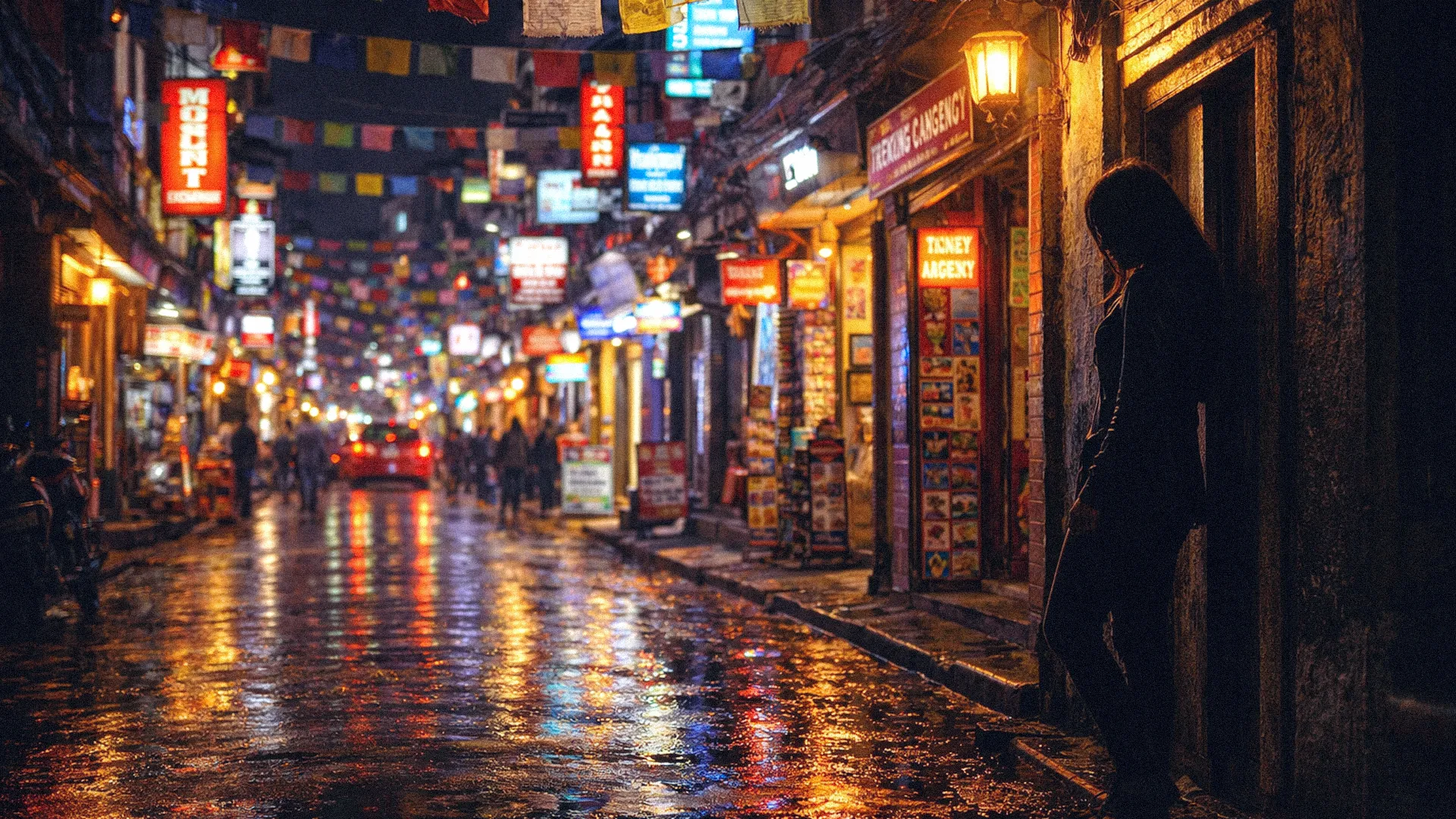
To the global traveler, Nepal is the land of the Himalayas, ancient temples, and spiritual serenity, a reputation carefully cultivated to attract millions of visitors. However, beneath this veneer of holiness lies a complex and clandestine reality: a thriving commercial sex trade that operates in the shadows of the country's most popular tourist hubs. Despite the Muluki Criminal Code (2017) unequivocally prohibiting prostitution and carrying severe penalties for sex workers, clients, and facilitators, the industry persists, driven by economic desperation and concealed behind the façade of legitimate entertainment. Unlike nations with designated red-light districts, Nepal’s sex trade is invisible to the uninitiated, yet pervasive in areas like Kathmandu’s Thamel and Sundhara, where the sacred and the profane often occupy the same city block.
From Dance Bars to "Survival Sex": The Mechanics of the Trade
In the absence of official red-light zones, the trade has evolved into a network of "front" businesses within the entertainment sector. In the tourist enclave of Thamel and the transit hub of Gongabu's New Bus Park, establishments labeled as dance bars, massage parlors, and Dohori (folk music) restaurants frequently serve as negotiation points for illicit services. This "entertainment" typology allows the trade to hide in plain sight, catering to both local transient populations and foreign tourists. As urbanization has expanded Kathmandu, so too has this underground economy, with budget lodges in Gongabu becoming magnets for what experts term "survival sex work"—a desperate resort for individuals facing extreme financial instability, a situation reportedly exacerbated by the economic hardships of May 2025.
The Trafficking Nexus and the Culture of Raids

Interested in this ad?
Would you like to continue to the link or provide your information for more details?
Please provide your information
To continue, please fill in your details
A critical and verified controversy plaguing this sector is the dangerous overlap between voluntary sex work and human trafficking. Anti-trafficking units and rights organizations report that many workers in these venues are minors or coerced individuals, making it difficult to distinguish between a consenting adult and a victim of organized crime. Law enforcement responds with a zero-tolerance policy characterized by aggressive, sudden raids on guesthouses and clubs. These operations, often framed as cleaning up "social ills," pose severe risks for foreign visitors, including deportation, legal prosecution, and public shaming. The "raid culture" aims to deter the trade but often results in the immediate arrest of everyone present, highlighting the legal perils for any foreigner attempting to navigate this illicit landscape.
A Health Crisis in the Shadows
The criminalization of the sector has created a significant public health challenge. Because the trade operates underground, sex workers face immense barriers to accessing non-judgmental healthcare, leading to a verified rise in HIV and STI risks. Fear of legal repercussions often prevents workers from carrying protection or seeking testing, while the lack of regulation means that safety protocols are virtually non-existent. Proponents of reform argue that this punitive approach drives the trade deeper underground, increasing vulnerability to violence and disease. Conversely, moral conservatives and anti-trafficking groups contend that any move toward legalization would normalize the commodification of bodies and potentially fuel the demand for trafficked victims, leaving the nation in a complex legislative deadlock.
The Law of Unintended Consequences
As Nepal continues to project an image of pristine cultural heritage, the gap between its legal ideals and the gritty reality of its urban centers widens. The strict prohibition intended to curb the trade has arguably made it more dangerous, trapping workers in a cycle of exploitation and pushing the industry into darker corners where oversight is impossible. For the visitor, the message is stark: the "entertainment" found in the backstreets of Kathmandu is a legal and ethical minefield, where a night of illicit thrill can end in a jail cell, shattering the holiday dream in an instant.