


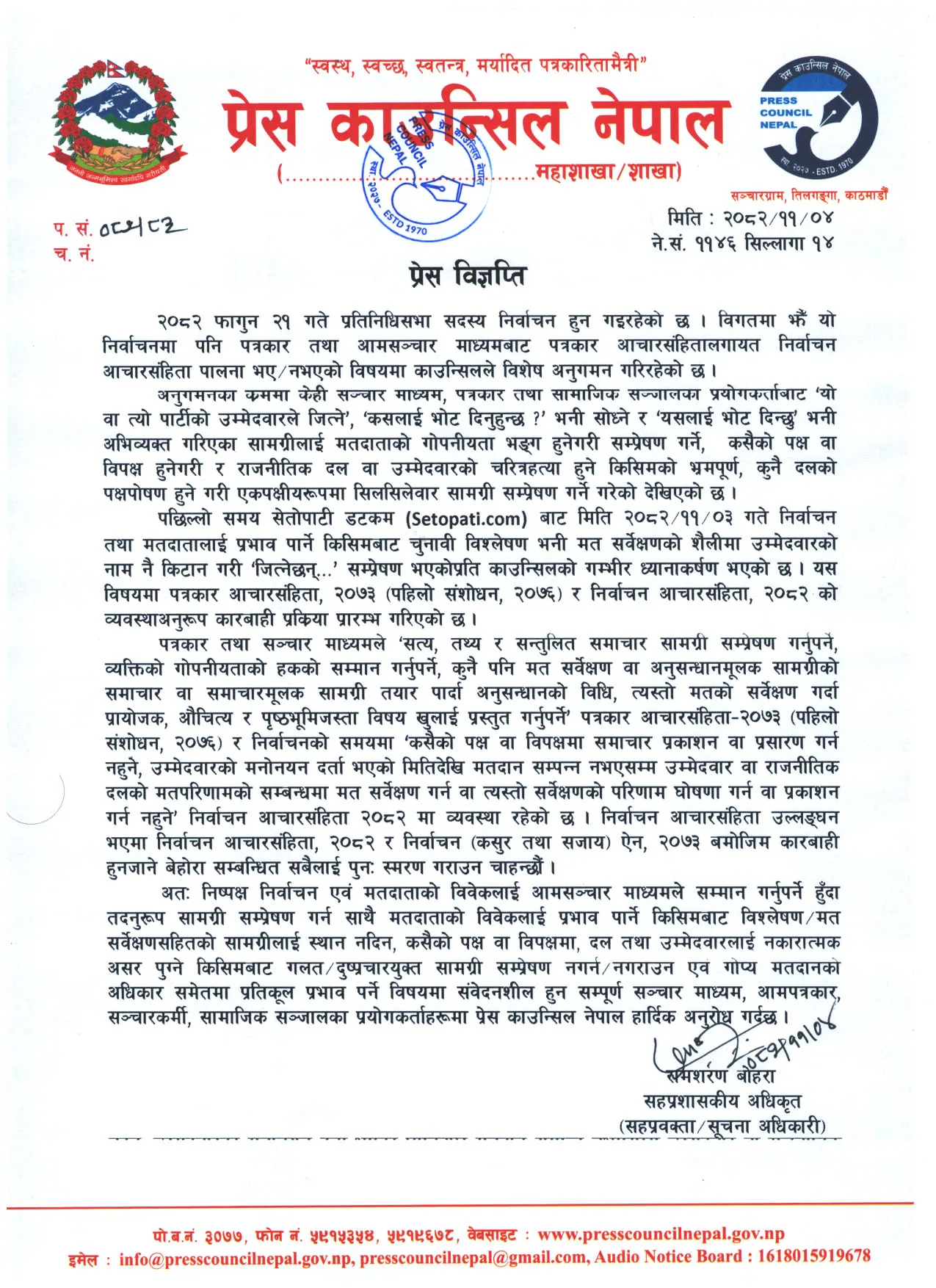
The Press Council Nepal has issued a warning not to publish opinion polls or analyses that could influence voters during the election period, in relation to the House of Representatives election scheduled for Falgun 21, 2082 (Nepali calendar). According to the Council, the Election Code of Conduct, 2082 prohibits conducting or publishing opinion polls from the date of candidate nomination registration until the completion of voting, and legal action may be taken in case of violation. In this context, the Commission has interpreted the “election analysis” published by Setopati as a form of opinion polling, and the Council has stated that it has initiated proceedings for action on the matter.
|
Area of Conflict |
Press Council Nepal's Position |
Setopati's Position |
|
Primary Legal Argument |
Violation of the Election Code of Conduct: The Election Code of Conduct, 2082 strictly prohibits conducting or publishing opinion polls from the date of candidate nomination until voting is completed. Violations are punishable under the Election (Offences and Punishment) Act, 2073. |
Supremacy of the Constitution: Publishing election analysis falls under the constitutional Right to Information and press freedom. A subordinate regulatory framework, like an Election Code of Conduct, cannot override or strip away fundamental rights granted by the Constitution. |
|
Voter Privacy & Rights |
Breach of Secrecy: Asking voters "who will you vote for?" and publishing their responses violates their right to privacy and the principle of a secret ballot. |
Democratic Participation: In an open and mature democracy, it is a citizen's political right to know what other voters are thinking, what issues matter to them, and how the political climate is shaping up in various constituencies. |
|
Impact on the Electorate |
Undue Influence: Publishing who is "winning" or one-sided content can negatively influence a voter's conscience, mislead the public, and amount to character assassination of candidates. |
Trust in Voter Intelligence: Restricting this information underestimates the public. Nepali voters are highly politically conscious; they consume information from multiple sources, evaluate the credibility of the media over time, and cannot be easily "misled" by a single poll. |
|
Journalistic Ethics & Methodology |
Lack of Transparency: According to the Journalist Code of Conduct, 2073, any poll or investigative material must clearly disclose the research methodology, sponsors, justification, and background. |
Journalistic Analysis, Not Academic Polling: They classify their work as "election analysis" rather than strict scientific "opinion polling." They argue their method of speaking directly with voters is legitimate journalistic practice, backed by a proven track record of accuracy in past elections. |
|
Next Steps & Resolution |
Enforcement: Initiated formal action against Setopati and issued a stern warning to all media and social media users to stop publishing analyses/polls that influence voters. |
Legal Challenge: Plans to take the matter to the Supreme Court as the final interpreter of the Constitution. In the meantime, they will pause publishing hard statistical data but will continue sharing qualitative, interview-based voter analysis. |
The Press Council Nepal has issued a warning not to publish opinion polls or analyses that could influence voters during the election period, in relation to the House of Representatives election scheduled for Falgun 21, 2082 (Nepali calendar). According to the Council, the Election Code of Conduct, 2082 prohibits conducting or publishing opinion polls from the date of candidate nomination registration until the completion of voting, and legal action may be taken in case of violation. In this context, the Commission has interpreted the “election analysis” published by Setopati as a form of opinion polling, and the Council has stated that it has initiated proceedings for action on the matter.
Setopati, however, has argued that its publication is not a scientific opinion poll but an “election analysis” based on dialogue with voters. It claims that such content falls within the constitutional right to information and press freedom. According to Setopati, a regulatory framework such as the Election Code of Conduct cannot curtail fundamental rights. The outlet has stated that it is preparing to approach the Supreme Court to resolve the dispute and, for the time being, will suspend the publication of statistical data while continuing qualitative analysis. The issue has thus emerged as a constitutional debate between electoral integrity and press freedom.
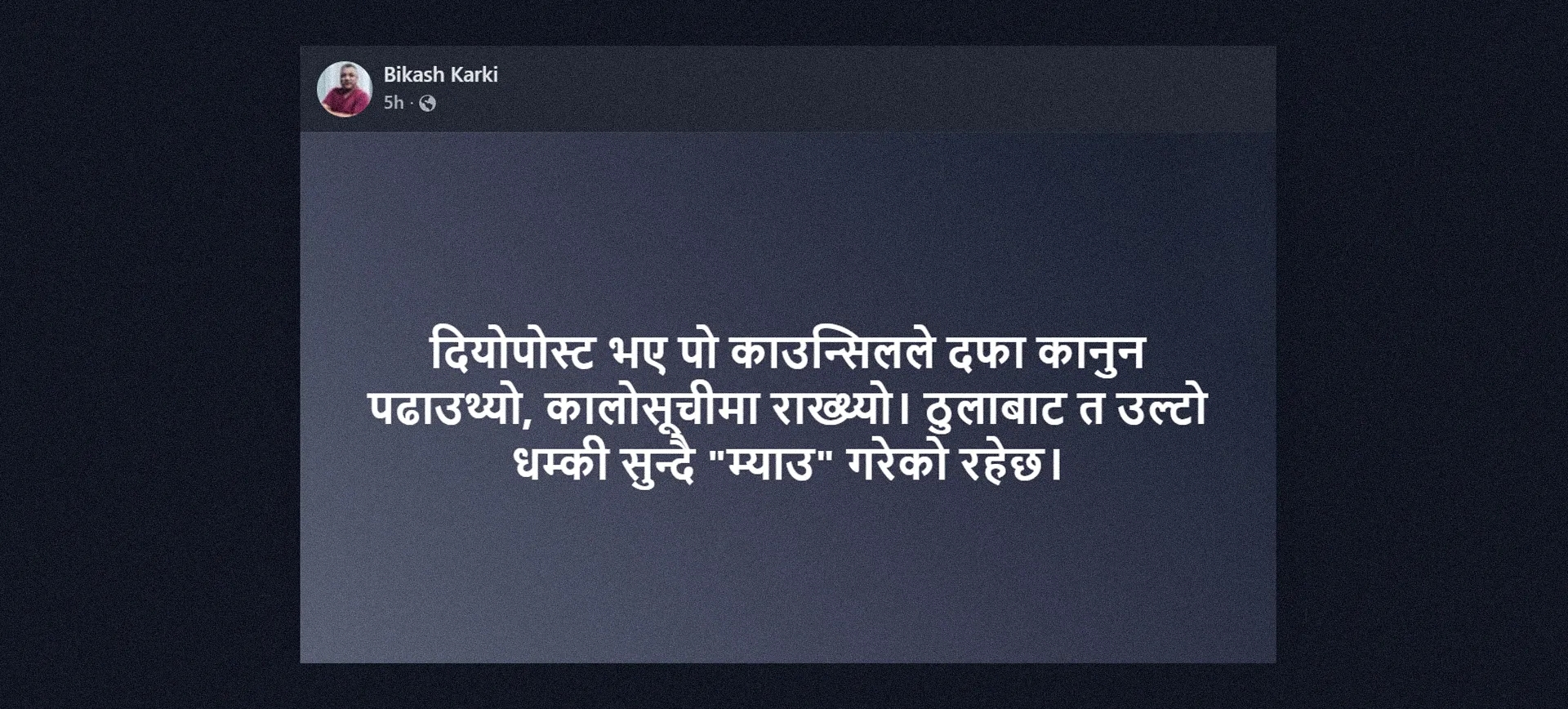
Journalist Bikash Karki wrote on social media, “If it had been Diopost, the Council would have lectured on legal provisions and blacklisted it. With the powerful, it seems to have meowed after hearing counter-threats.” He was referring to the action previously taken by the Press Council Nepal against an online outlet named Diopost.

Interested in this ad?
Would you like to continue to the link or provide your information for more details?
Please provide your information
To continue, please fill in your details
Although detailed legal explanations have not been widely made public, the Press Council has recently begun regulating social media as well. It remains unclear under which rules or laws the Council regulates media other than print media. While pressure was reportedly exerted to remove Setopati’s analysis, no action has been taken against a viral post circulating on social media.
In that viral post, a Christian pastor from Jhapa had declared the victory of Rastriya Swatantra Party senior leader Balen Shah in the House of Representatives election in Jhapa-5. The Press Council has remained silent on this matter.
Although the Press Council Nepal has stated that it would take action against Setopati, it has not taken any concrete steps so far. It appears that the Council is not only cautious regarding Setopati but also regarding Balen Shah. There are even remarks suggesting that a leader who has threatened to burn Singha Durbar might also threaten the Press Council.
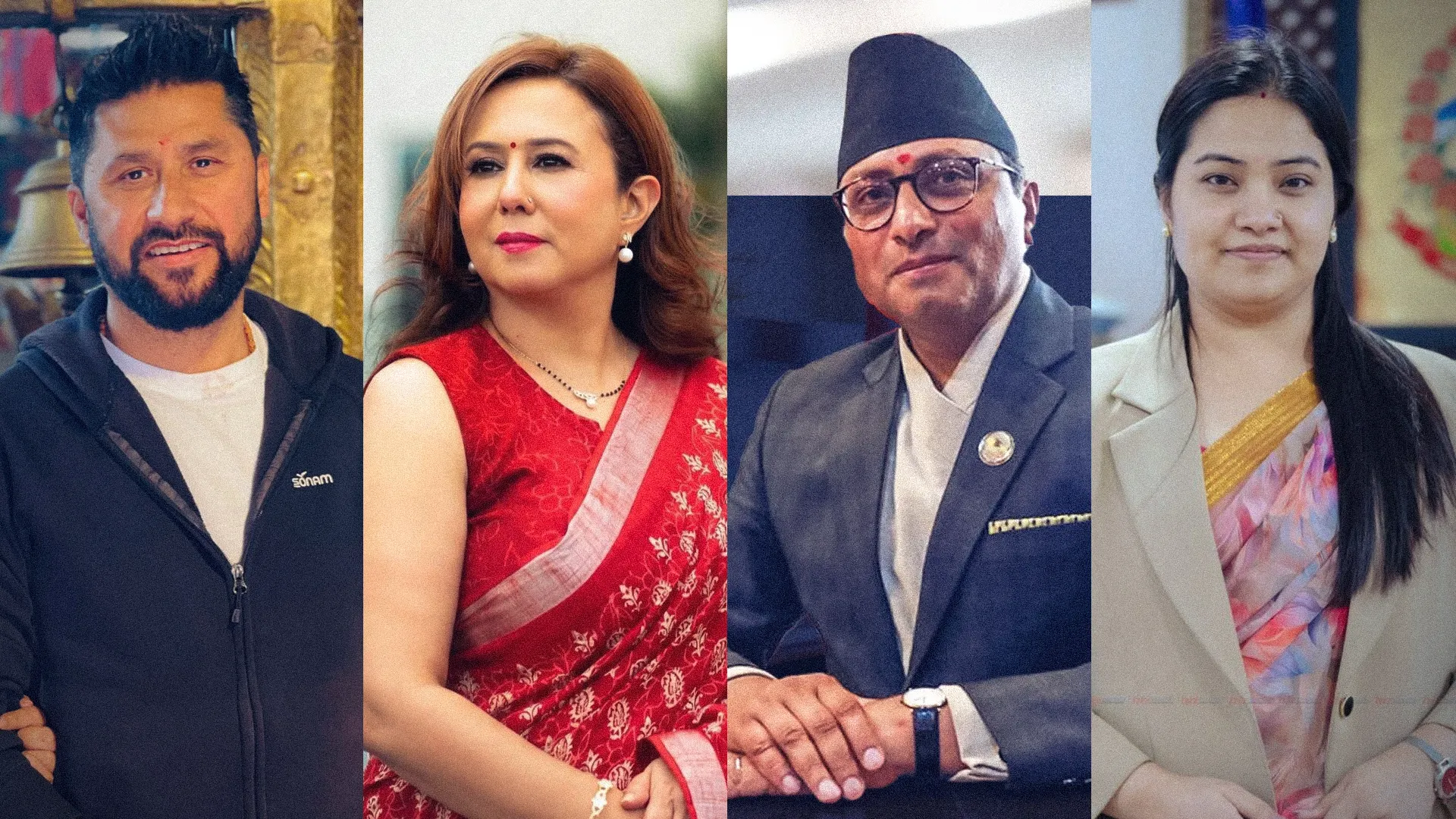
It is argued that the Press Council Nepal should regulate in accordance with the law and that Setopati should practice independent journalism. Setopati’s Editor-in-Chief Amit Dhakal is a journalist; the Press Council’s Chief Officer Jhabindra Bhusal is a lawyer; and the Council’s Chairperson Dr. Kumar Sharma Acharya is a senior advocate. The dispute is progressing as a legal and constitutional debate between electoral integrity and press freedom.