


Narayan Manandhar
Aba ke hunxa? What next? This is the question hanging around the heads of many intellectuals in Nepal. Given the situation of fluidity and volatility, it is extremely difficult to predict the shape of things to come tomorrow.
Referendum of 1980
There are many conspiracy theories now on fray seeking to explain 8-9 September incidents. But the closet thing people have forgotten is the referendum days of 1980. There are many similarities between the two.
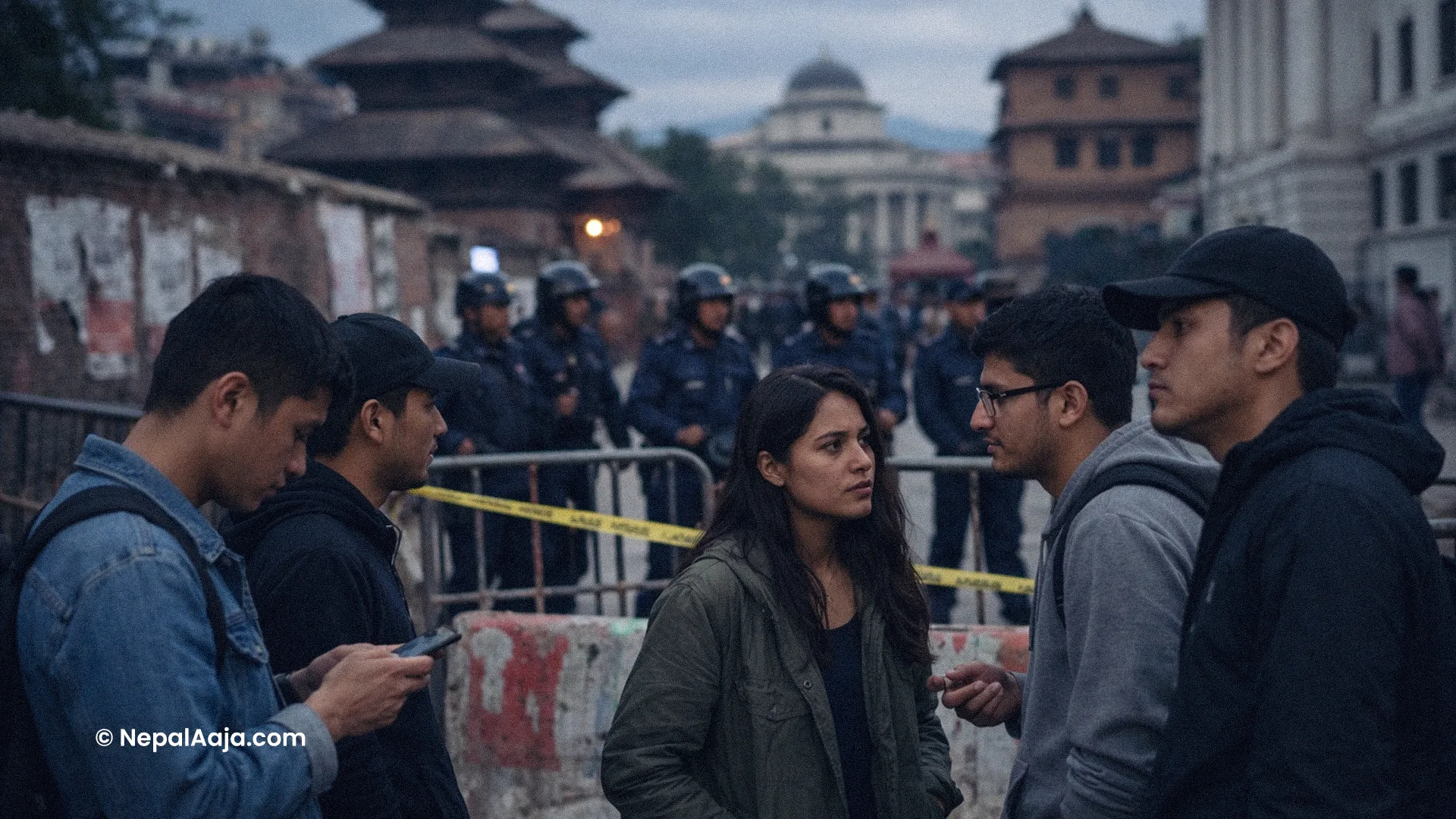
First, the referendum was triggered by student-led protest and demonstration at Pakistani Embassy in Kathmandu against death sentence passed out to the former PM Mr Zulfikar Ali Bhutto. The police brutality on students culminated into a mass demonstration that ransacked and torched the offices of RNAC and Gorkhapatra Sansthan (state media) at New Road, the heart of Kathmandu City. Compared to 9 September mass-scale riots, looting and burning, this demonstration might look minuscule.
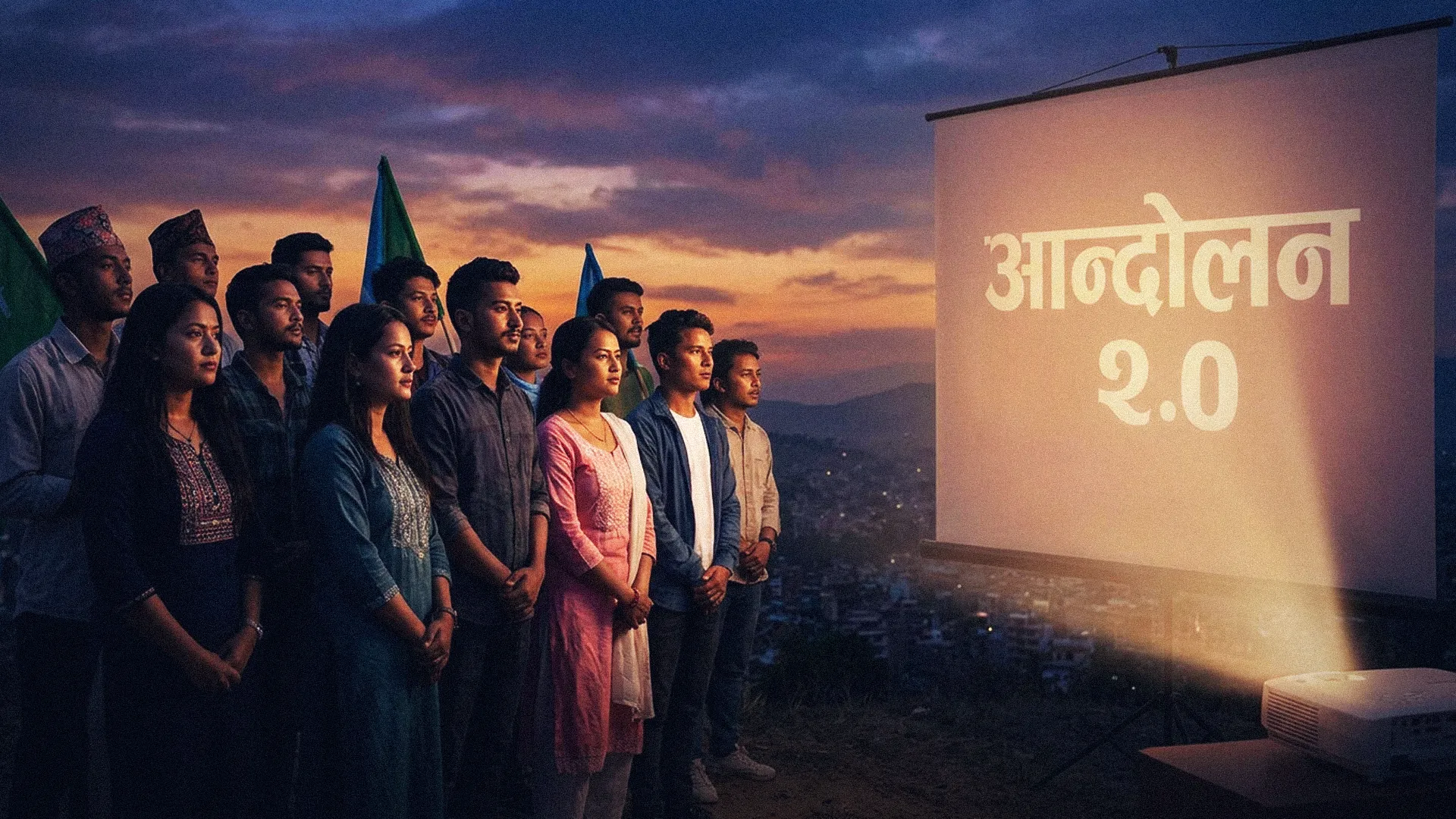
Second, just like the present-day President Mr Ram Chandra Paudel hastily dissolved the parliament and called for early elections and saved the Constitution from total collapse. In a similar way, the political agitation forced the King Birendra to declare a national referendum. This was done to save his party-less panachayat regime. People were given a choice to vote either to have (a) a reformed panchayat system or (b) a multi-party democratic system. Gen-Z movement, also led by students, has been triggered by government banning of social media.
Third, the referendum, organized on 2 May 1980 was heavily rigged. The outcome was 55 percent in favour of reformed panchayat system and 45 percent in support of multi-party democracy. The 10 percent difference margin in voting outcome, literally, put the country in a waiting list for 10 years to have a multiparty democracy in 1990. The people’s movement in 1990 forced the King to abandon panchayat system and re-institute multiparty democracy. Imagine, if we just had a free and fair referendum? In fact, Mr Mr Ganesh Man Singh demanded for a neutral care taker government to hold referendum but his voice was not heard by Mr B. P. Koirala. Moreover, there is also an issue of betrayal by some communist radicals who boycotted referendum. This favoured panchas.
Elections: Outcome and Process
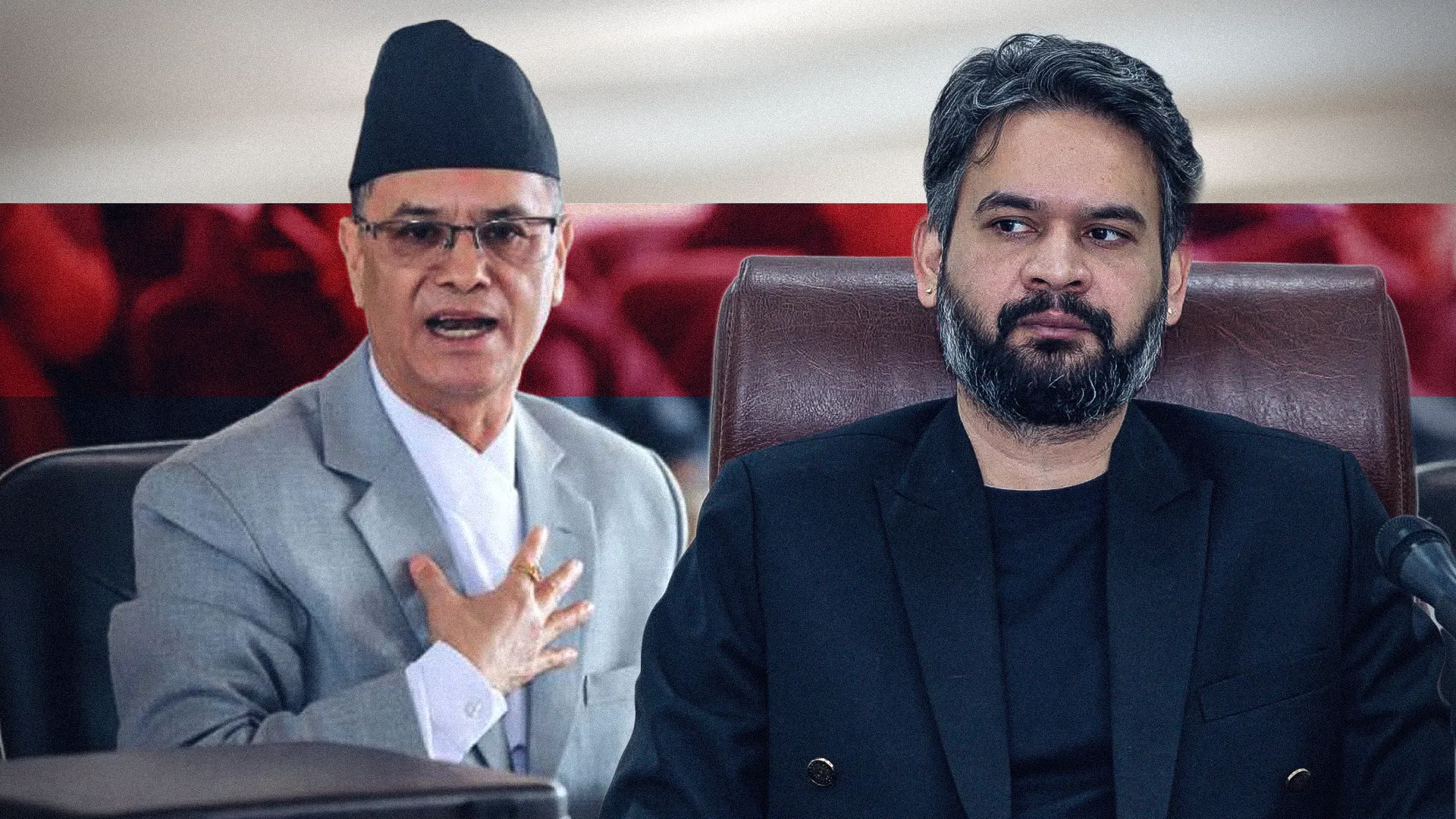
The elections are very much near around the corner (5 March) and we are still not sure about it taking place. There are lingering doubt on process and outcome of elections. If major political parties are busy campaigning all over the country, CPN-UML President Mr K. P. Sharma Oli is still suspicious of the elections and its impartiality. He has put in categorical terms that this elections is being held with a specific mandate either “to defeat” or “’to elect” specific candidates. In that case, he is not in a position to accept election results.

Interested in this ad?
Would you like to continue to the link or provide your information for more details?
Please provide your information
To continue, please fill in your details
Definitely, the elections are sure to happen because it is, now, near impossible to back track. There are doubts and skepticism. Will it be free and fair? Will it be secured? More important question is the outcome. What is the purpose of holding elections? Is it to have a new government, replace old parliament? Or to secure fresh mandate? If that is so, what is the mandate? The million dollar question is: Will the elections help resolve our political problems? We have to wait and see. Here are three possible scenarios:
The Worst Case Scenario
The worst possible scenario is not happening or deferral of the proposed elections on 5 March. This means the country will enter into another rounds of conflict and instability. We sank further down inside the black hole. There are various groups already into the streets protesting against the elections.
Though the time is running out, Oli is pushing the court to speed up its verdict on the writ petition filed against the unconstitutional dissolution of the parliament and appointment of Mrs Sushila Karki Government. The Court is, literally, in a state of limbo. There are so many contentious issues to decide. Only optimism with worst case scenario is that we are already into a rock bottom situation. There is no way we sink further unless we are into an abyss.
Business As Usual
There is a greater chance that the outcome of the elections may be business as usual, that is, replication or repetition of the same methods and process that we been experiencing since last 30-35 years. This implies no political party garnering required majority to form the government; we will continue to face political party maneuvering and bargaining to form a coalition government, musical chairs, political bhaagbanda and the system of aalo-paalo. Much more worse situation within this scenario is having to strike a deal between more than three or four parties. Negotiation get complicated when you have simply more than two parties, forget about the issues. There are greater chances of having more than four parties holding simple majority in the parliament. If this is so we are into a stalemate situation.
Given the demographic distribution of the population - around one-third composition of bahun-chhetris, one-third Terai Madhesi and one-third janajati people and our voting pattern based on ethnicity and caste groups, we have to live up with coalition culture. This is further accentuated by our mixed electoral system where 60 percent comes from direct election and 40 percent is from proportional representative (PR) system. It is near impossible for any political party to garner simple majority. This is the single reason why some people are demanding for a directly elected chief executive or doing away with PR system. So, one may end up asking a simple question: If we are going to have a similar, if not a complicated, situation like that of the dissolved parliament what is the point in having the elections? Are we having elections two years ahead of the scheduled one?
Best Case Scenario
The best case scenario can only be found in the election manifestos of each political parties, that is, the ultimate aim of forming the government headed by them. For the reasons mentioned above this is less likely thing to happen. Very recently, in her address to the Upper House, PM Sushila Karki informed that the upcoming election is not being held to fill up positions in the parliament; “it will be a turning point for having a new political culture in the country”. Given the present constitutional framework, how one is going to establish a new political culture in not known to anybody. Her statement like “keeping the Constitution on track” and “establishing new political culture” are inherently contradictory. If you give up the doctrine of necessity, she has nothing constitutional to hold on to the power. In the a situation of absurdity and abnormality, a sane person can only hope for return to normality. This is the best case scenario.