
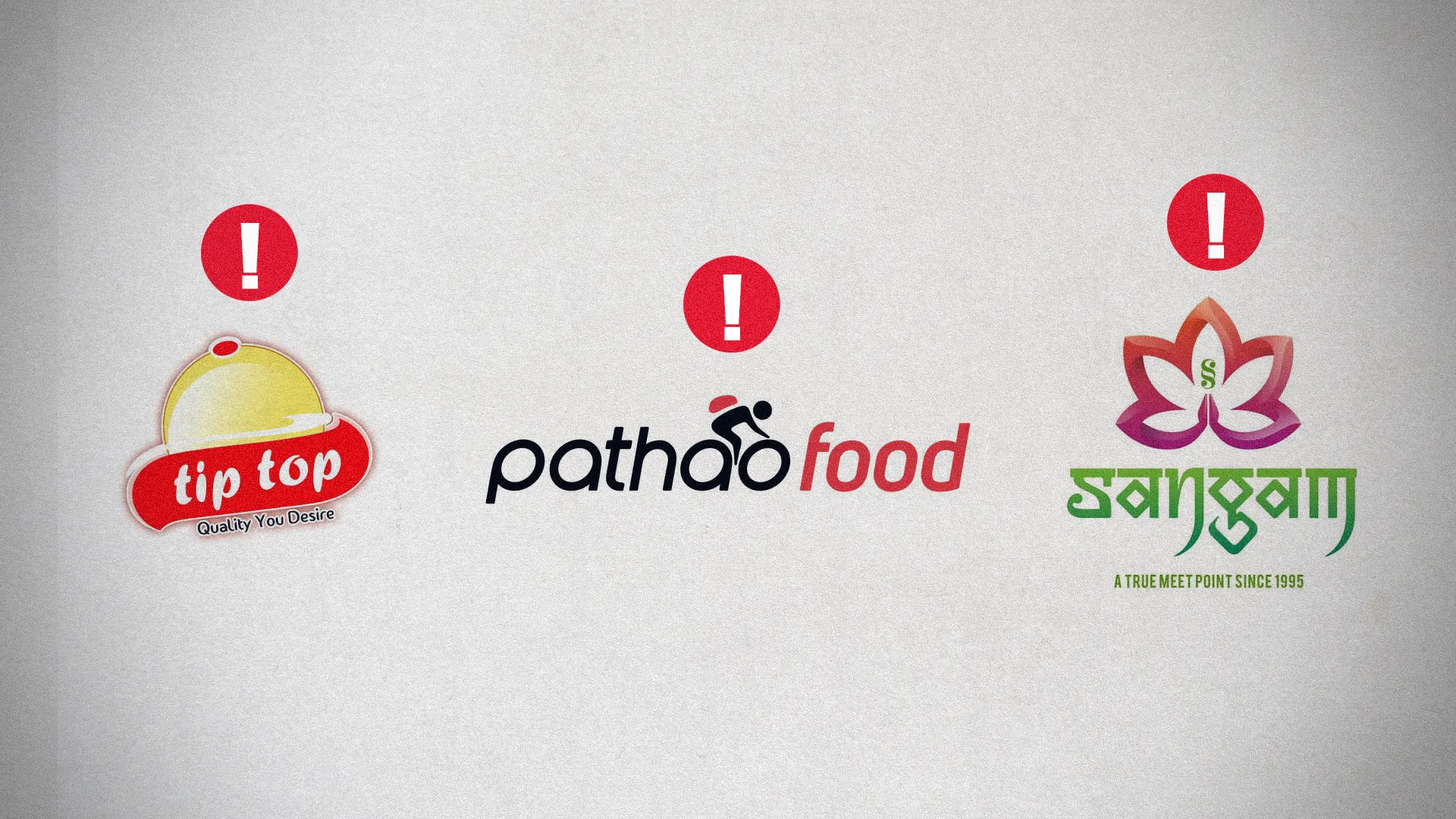
Public concern over food safety and consumer rights in the Kathmandu Valley has surged recently. Questions have been repeatedly raised regarding the quality of food items delivered by online services and sold by popular sweet shops. In this context, 'Nepal Aaj' published a special report highlighting consumer distress and the sale of stale, inedible food, using notable historical precedents to illustrate the current state of food safety. Following the report, three prominent food service providers—Pathao Foods, Sangam Sweets, and Gautam Sweets—demonstrated vastly different and intriguing crisis management approaches.
Pathao Foods' Quiet Refund Policy
After receiving complaints about delivering stale food to customers, online food delivery platform Pathao Foods took swift internal action. Although Pathao fulfilled its primary financial duty by quietly refunding the affected consumer, it failed to issue any formal public statement or take accountability for its operational negligence. Rather than acknowledging the flaw and committing to preventing future occurrences, the platform attempted to quiet the issue through refunds alone, raising doubts about its long-term responsibility and transparency toward consumers.
Sangam Sweets Ignores Complaints
Similarly, established confectionery chain Sangam Sweets displayed an even more irresponsible and indifferent posture. Despite persistent complaints from consumers regarding the sale of stale and substandard sweets, Sangam Sweets chose to completely ignore the allegations. The business issued no public rebuttal or clarifying statement to reassure consumers. This complete avoidance of media and public inquiry underscores a severe apathy toward consumer rights and professional ethics.
Gautam Sweets Demands Rs 50 Lakh Damages
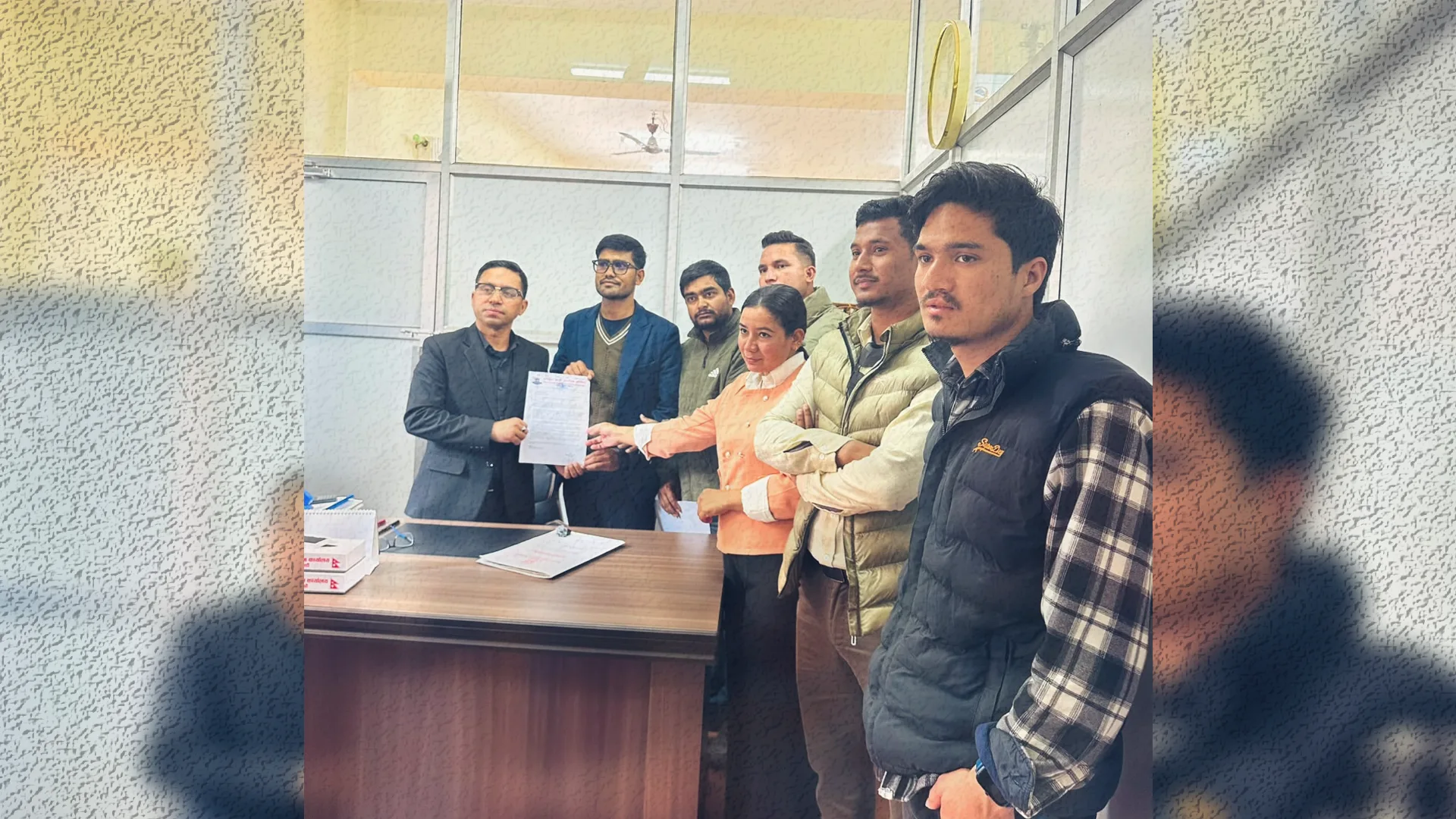
The most paradoxical reaction came from Gautam Sweets (Tiptop). The news report had made no fresh allegations against Gautam Sweets regarding recent stale food deliveries, only recalling a decades-old landmark incident where a mouse was found inside a samosa as historical context for consumer awareness. Despite not being held directly at fault for the current incidents, Gautam Sweets overreacted by issuing a formal legal notice through lawyer Deepak Rai, claiming Rs 50 lakh in commercial damages and filing a complaint with Press Council Nepal.
Press Council Inquiry and Legal Standpoint
Acting on the complaint, Press Council Nepal dispatched an official letter (Dispatch No. 539, FY 083/84) asking 'Nepal Aaj' to justify the relevance, proof, and impartiality of referencing the decade-old case. Meanwhile, after Nepal Aaj published Gautam Sweets' rebuttal on its portal, advocate Deepak Rai texted the editor expressing gratitude for publishing the clarification. When asked for further comments, Rai stated that as the matter is sub-judice before the Council, he would refrain from further public statements and focus on completing legal proceedings.
Broader Crisis Management Deficit
Comparing the responses of these three major commercial enterprises highlights a critical lack of crisis management and social responsibility in the Nepali market. Pathao Foods confining its action to silent refunds, Sangam Sweets ignoring public scrutiny, and Gautam Sweets initiating legal defense despite no new charges demonstrate that businesses prioritize self-defense and tactical legal maneuvers over direct accountability to consumers. In such an environment, media vigilance and public awareness remain the primary safeguards for market transparency.
Read this as well: