

The high-profile appointment of Buddhist nun Ani Choying Drolma (Choying Drolma Lama Moktan) as Vice Chairperson of the Lumbini Development Trust has drawn intensive legal and public scrutiny, prompting formal demands for an official investigation into her Nepali citizenship credentials.
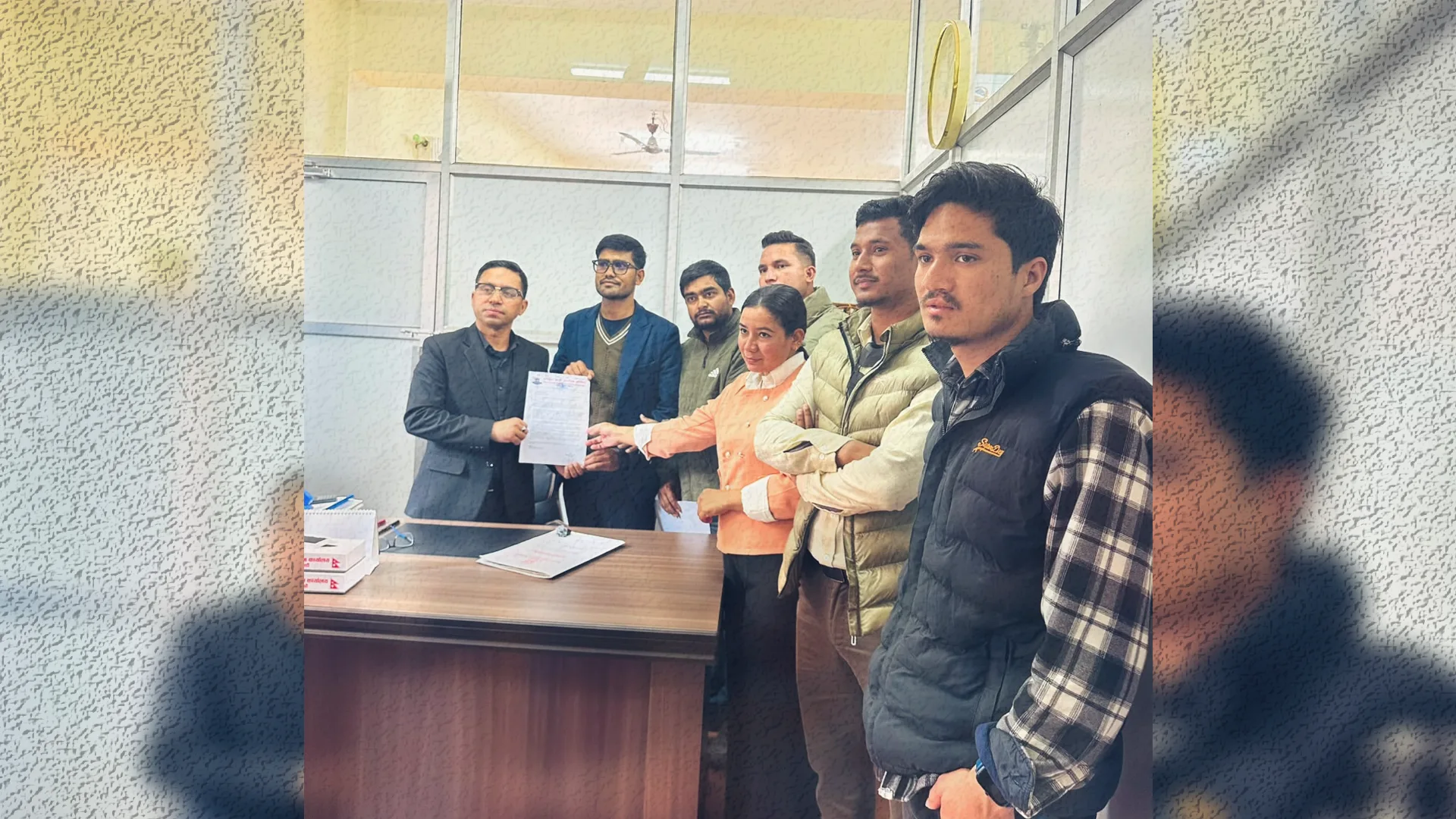
Delegates from the Rastriya Gen-Z Nagarik Abhiyan submitted a formal memorandum to the District Administration Office (DAO) in Kathmandu, handing the petition directly to Assistant Chief District Officer Krishna Gaire. The youth campaign, which advocates for transparency, public accountability, and ethical standards among prominent public figures, requested an immediate verification of the documentation supporting Drolma’s citizenship by descent. In response, Assistant CDO Gaire pledged that the administration would initiate a comprehensive fact-finding inquiry into the matter.
The petition highlights glaring contradictions between Drolma's public accounts and her official citizenship registry. In her published autobiography Phoolko Aankhama and during public statements, Drolma has consistently noted that her parents migrated from the Kham region of Tibet. However, official records indicate that in 2046 BS, she obtained Nepali citizenship by descent under the name Choying Drolma Moktan Lama, registered as the daughter of Kancha Bahadur Lama, a resident of former Chapali Bhadrakali VDC-6 (currently Budhanilkantha Municipality-2).
Further complicating the lineage claim, records reveal that Kancha Bahadur Lama passed away in 2039 BS—seven years prior to the issuance of the citizenship certificate. In Poush 2076 BS, Kancha Bahadur’s biological son, Praman Singh Lama (Magai), lodged a formal complaint expressing astonishment over Drolma claiming citizenship under his late father’s identity and seeking a thorough investigation.
The activist group has called on authorities to trace the original filings from 2046 BS, examine the supporting documentation, and provide an update on the status of Praman Singh Lama’s 2076 BS complaint. Citing Sections 12, 14, and 21 of the Nepal Citizenship Act, 2063—which mandate the revocation of citizenship and prosecution of individuals who secure credentials through false disclosures—the campaigners urged the government to enforce statutory penalties if misrepresentation is confirmed. The outcome of this inquiry is expected to test the regulatory mechanisms governing public appointments and official records in Nepal.