


Amid a steadily declining population growth rate in Nepal, the government has tabled the Safe Motherhood and Reproductive Health Rights Amendment Bill in the House of Representatives as a strategic legislative measure to encourage reproduction and strengthen long-term human capital. Introduced by the Ministry of Health and Food Security, the bill seeks to reverse the sharp demographic drop by mandating six months of paid maternity leave for female workers and 42 days of paid paternity care leave for male employees across government, non-governmental, and private sectors.
The primary impetus behind the new legislation is the concerning demographic shift revealed in national data. Official census figures show that Nepal's decadal population growth rate plummeted by nearly 31 percent, falling from 1.35 percent in 2011 (2068 BS) to 0.92 percent in 2021 (2078 BS). Associate Professor Padma Prasad Khatiwada of Tribhuvan University's Central Department of Population Studies noted that this drop indicates a continuous downward trend similar to global patterns following population control policies of the 1970s. Khatiwada highlighted that the current policy is explicitly designed to increase population growth and prevent the country from sliding into negative population growth territory.
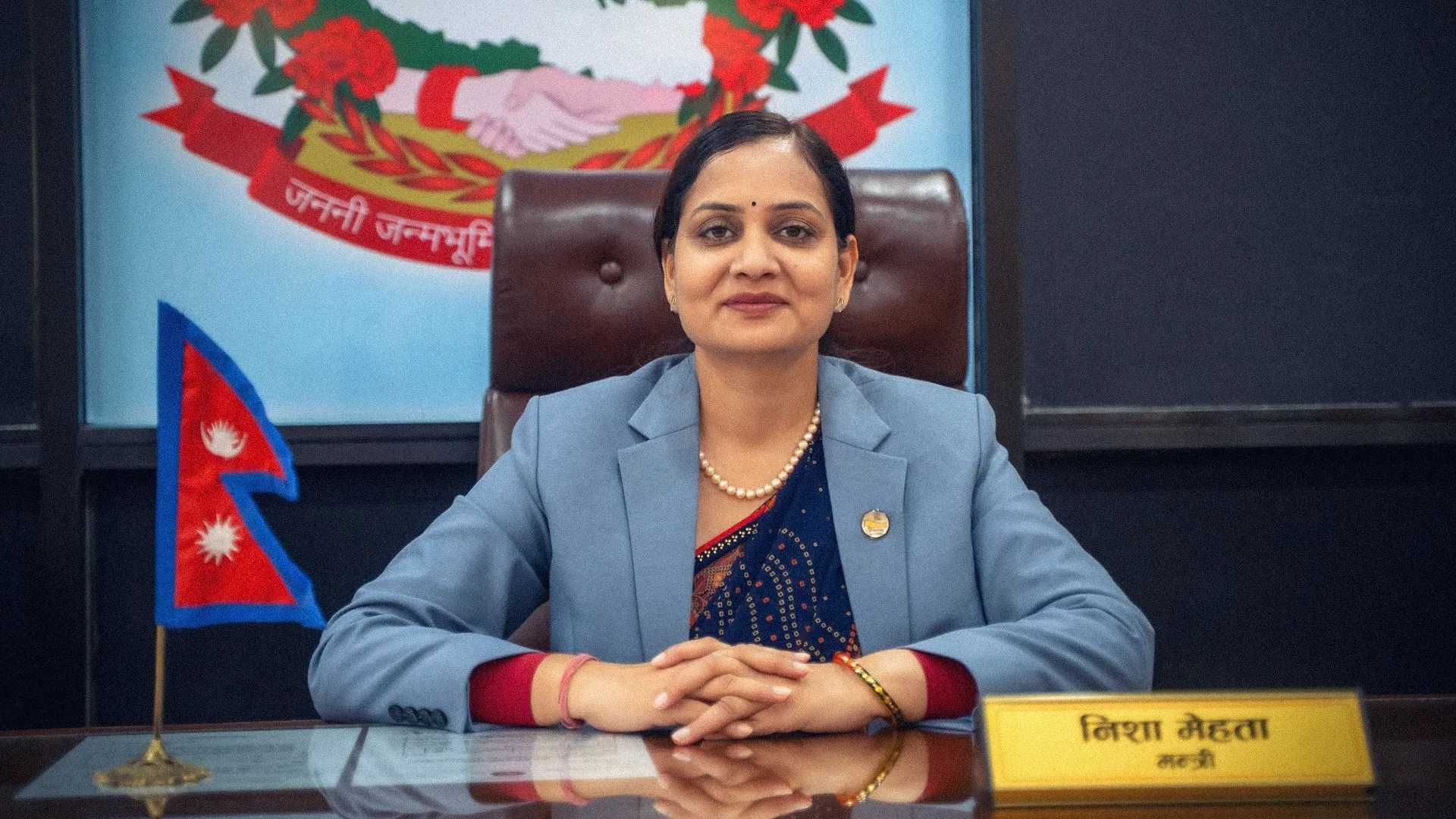
Addressing the House of Representatives, Minister Nisha Mehta framed the legislative push as a vital investment in national human capital rather than a mere benefit for workers. "We should not understand six months of maternity leave merely as a facility or leave given to employees. This is an important issue linked to the respect of motherhood, health and nutrition of mothers and newborns, and the state's long-term human capital formation," Minister Mehta stated, adding that compliance conditions will also be incorporated into the licensing criteria for private health institutions.

Interested in this ad?
Would you like to continue to the link or provide your information for more details?
Please provide your information
To continue, please fill in your details
To support the population growth strategy, the government simultaneously registered a companion bill to regulate and restrict the sale and promotion of breast-milk substitutes. Ministry Spokesperson Dr. Samir Kumar Adhikari explained that the current policy rectifies historic inconsistencies between public health guidance and employment laws. "We advise exclusive breastfeeding for six months, but we do not grant six months of leave. This amendment bill was introduced to rectify that disparity, taking into account the increasing number of working mothers and other relevant factors," Dr. Adhikari remarked, noting that legal controls are necessary as misleading commercial substitutes flood the market and endanger long-term public health.
The amendment bill also incorporates strict legal protections and criminal penalties to ensure pregnant women receive necessary healthcare without discrimination. Under the new provisions, health institutions that refuse maternity services due to financial limitations or other reasons face up to six months of imprisonment, a fine of up to 50,000 rupees, or both, while violence committed against pregnant women has been classified as a serious criminal offense.
By pairing population incentives with stringent healthcare guarantees and child nutrition regulations, the state aims to build a healthy and productive population from infancy through adulthood. As Parliament considers the proposed framework, the law marks a major policy shift from historic population control toward proactive demographic encouragement.