



Nepal’s banking sector faces a critical turning point as sluggish economic growth, an ongoing real estate slowdown, and a construction crisis prevent borrowers from servicing debts. This prolonged default streak has forced commercial banks to increasingly seize collateral, shifting their focus from financial operations to property management.
To address this systemic pressure, the government has set a definitive mid-January 2027 deadline in its fiscal year 2026/27 budget to form a National Asset Management Company (AMC). While previous administrations debated this concept for over two decades, the current decree introduces unprecedented legal weight and a fixed timeline.
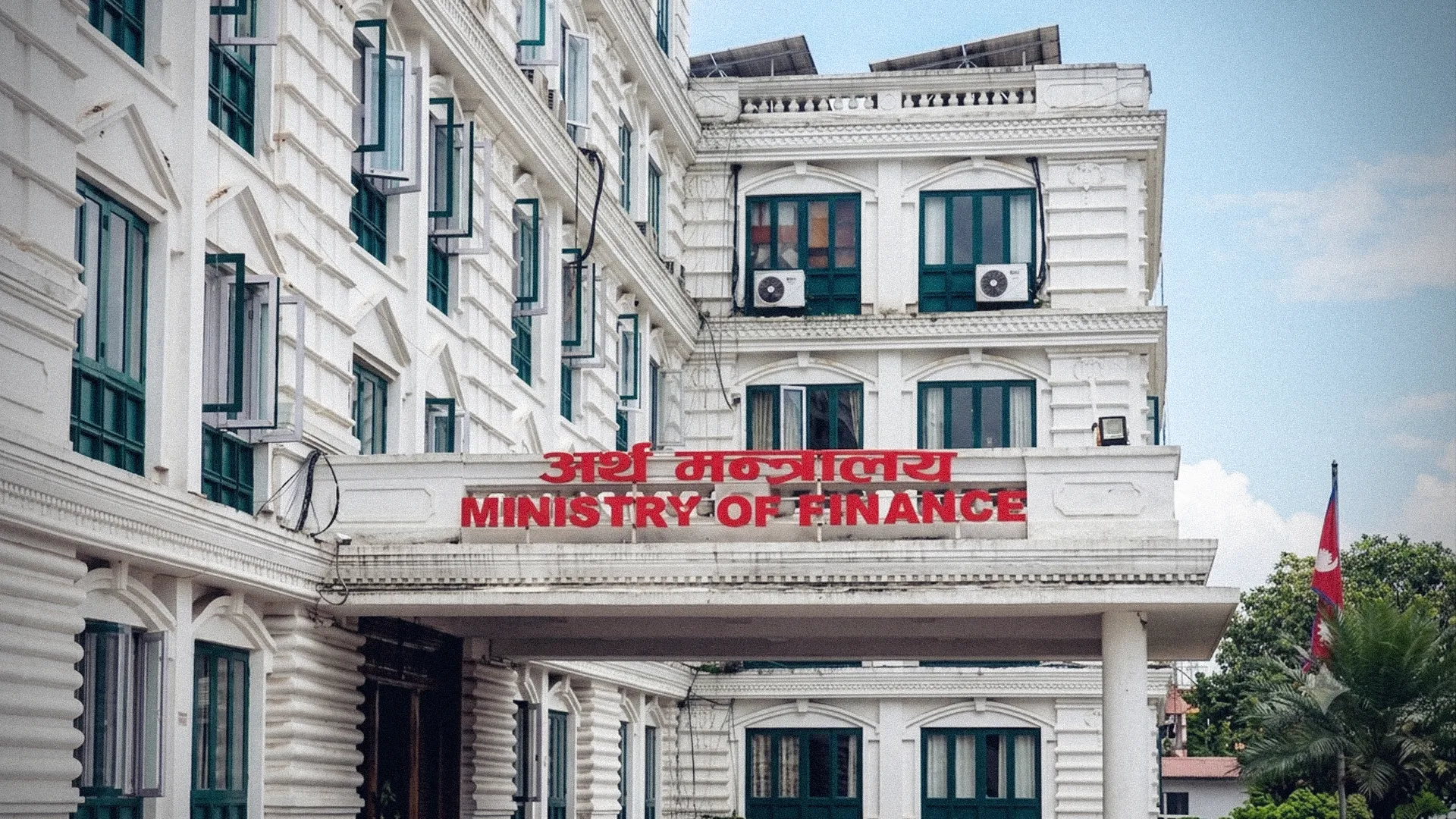
Nepal Rastra Bank (NRB) and the Ministry of Finance are collaborating closely to finalize the organizational and statutory frameworks. Officials state that the central bank has already transmitted a foundational draft to the ministry for high-level consultations, with plans to advance via an act or an executive ordinance.
Financially, the proposed AMC requires an estimated liquid fund of 50 billion to 100 billion rupees to effectively absorb the banking sector’s non-performing assets, which have climbed from 4.5 billion rupees in 2017 to over 54 billion rupees. This severe accumulation blocks capital and diminishes market liquidity.
Given current fiscal constraints, authorities intend to utilize a bond-issuance strategy rather than direct cash injections. The AMC will acquire distressed banking assets by issuing 10-to-15-year state-guaranteed bonds, allowing banks to maintain balanced balance sheets and access central bank liquidity facilities.

Interested in this ad?
Would you like to continue to the link or provide your information for more details?
Please provide your information
To continue, please fill in your details
Architecturally, the entity will likely adopt a autonomous, public-private partnership model. The proposed ownership structure allocates up to a 10 percent stake to the NRB, with the remaining shares divided between the central government and commercial banks to cultivate collective institutional responsibility.
Unlike a standard real estate firm, the AMC will possess specialized legal authority to actively restructure and optimize distressed assets. The institution plans to intervene directly in stalled commercial projects, resolve legal blockages, add infrastructural value, and sell them at optimal valuations to recover trapped capital.
However, industry executives caution that the AMC will not act as an immediate remedy for every banking issue. Financial leaders emphasize that the company must remain free from political interference and operate with elite investment banking talent to successfully transform assets.
As the state accelerates its governance reforms under strict budget deadlines, establishing this independent body represents a fundamental attempt to clean commercial balance sheets. If successfully launched by the specified winter deadline, the AMC will introduce a highly specialized mechanism designed to stabilize Nepal's long-term financial architecture.