


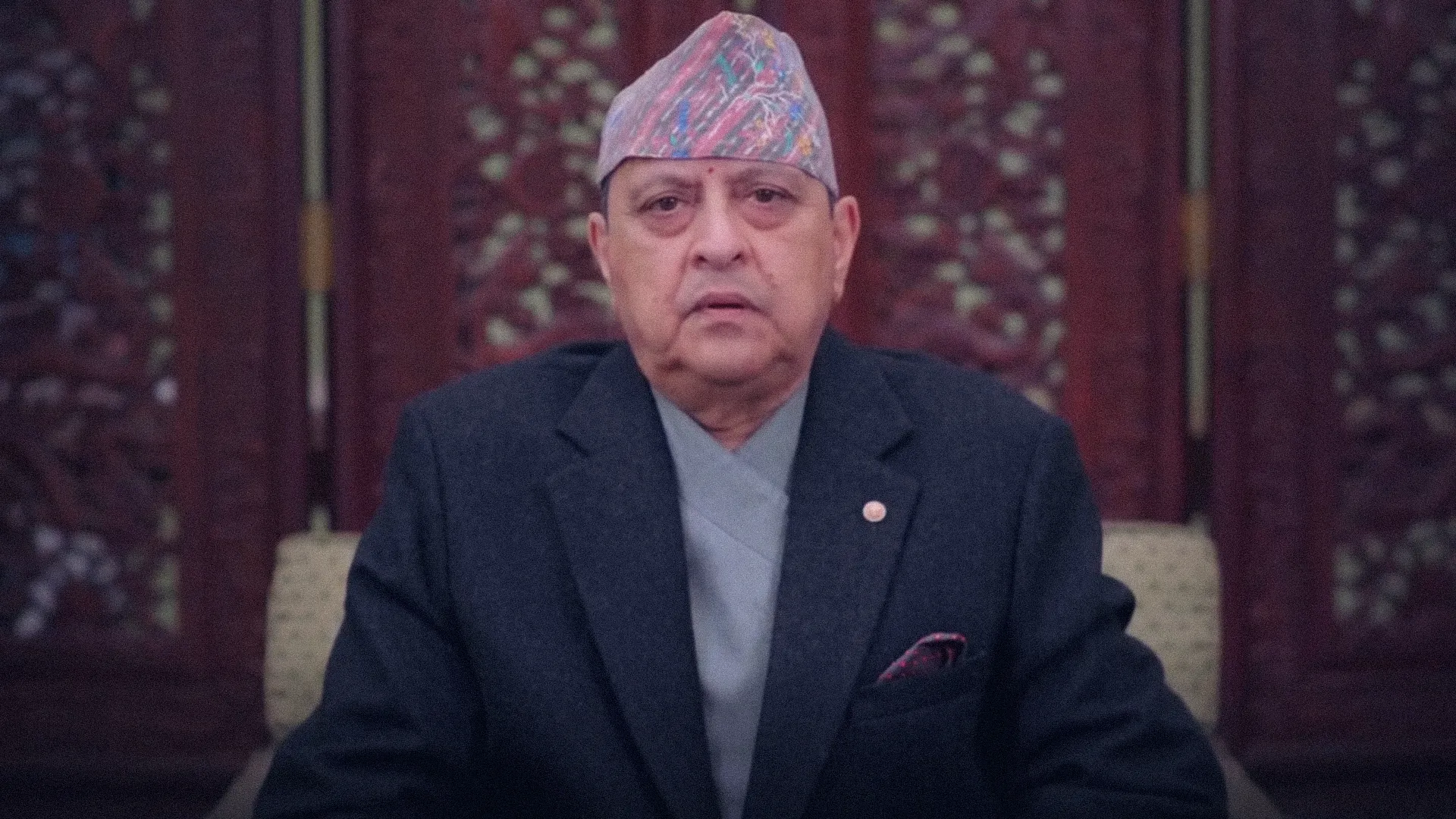
Former King Gyanendra Shah issued an eight-minute video message on the eve of Nepal's seventy-fifth National Democracy Day (Falgun 7), urging a postponement of the upcoming March 5 parliamentary elections to prioritize a national consensus. The former monarch stated that proceeding with the elections without resolving the underlying national crisis will only deepen the country's political instability. The statement was released amid a highly volatile political climate following the government dissolution and widespread protests late last year.
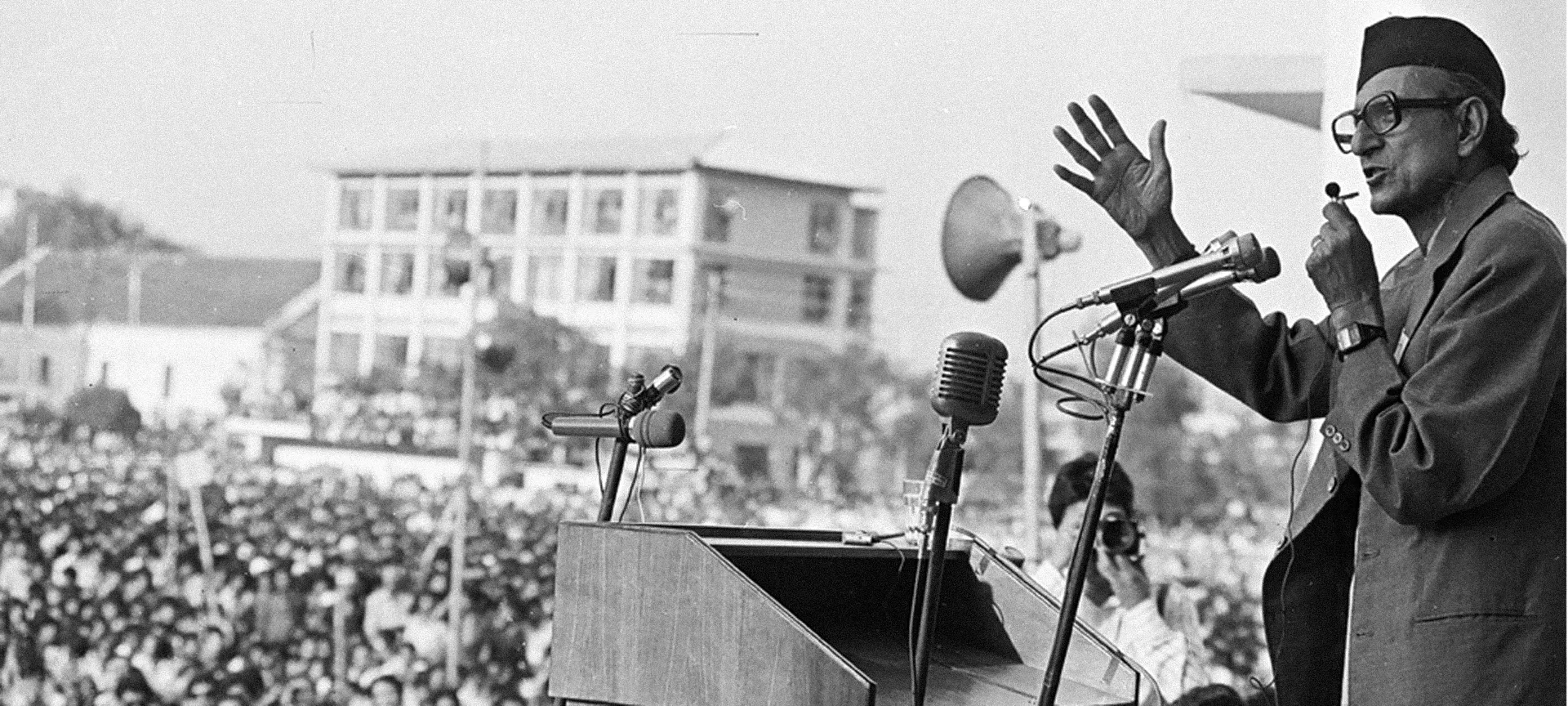
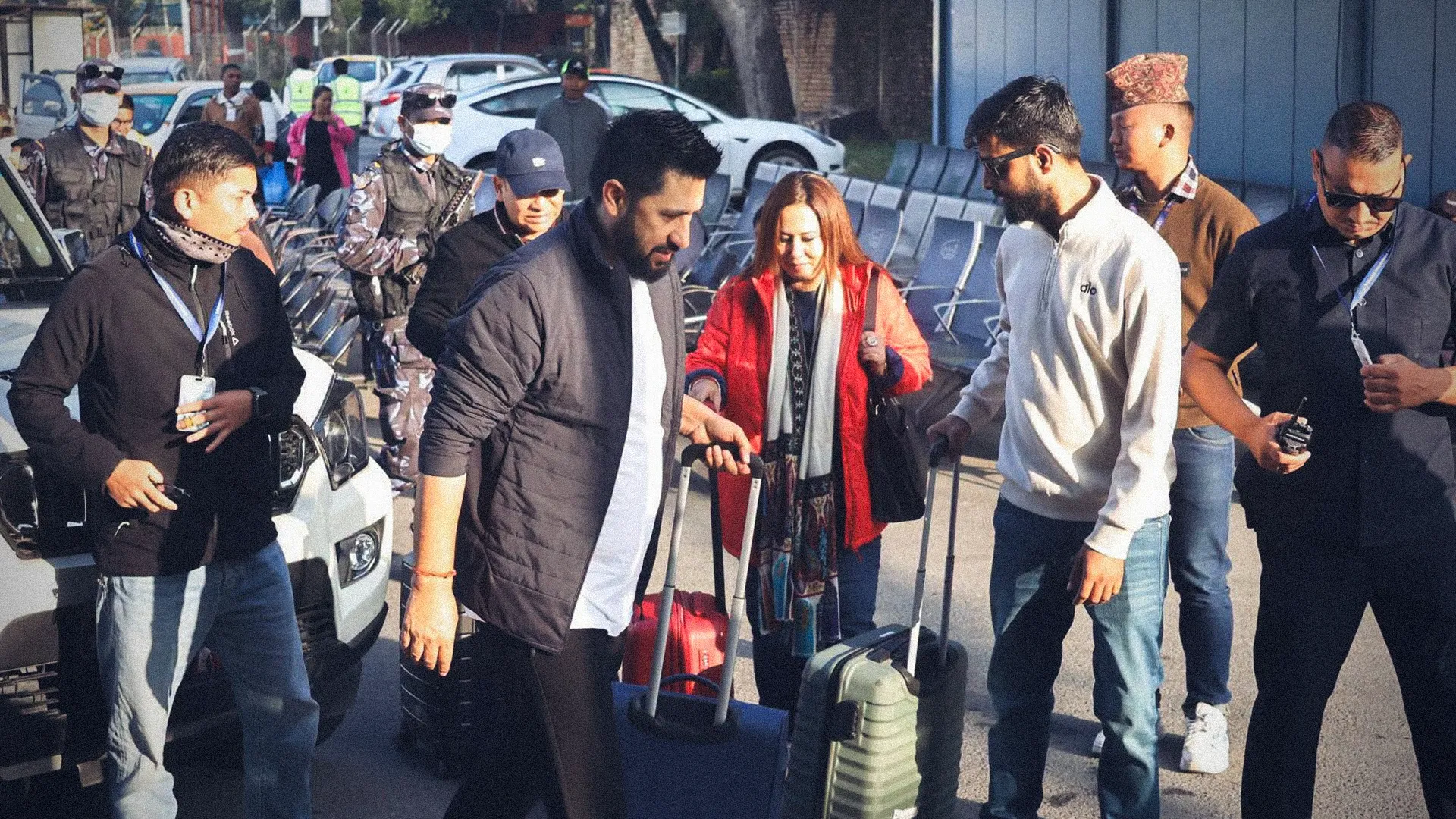
In his message, Shah expressed gratitude to the estimated ten thousand supporters who welcomed him at Tribhuvan International Airport upon his return from Jhapa, an event that resulted in clashes with riot police. Directing his criticism at the major political factions, he condemned their power-sharing agreements over the past seventeen years, characterizing their mentality as a desire to "divide and share the spoils in turns." Questioning the actual benefits delivered to the public by subsequent political changes, he advocated for a governance system tailored to the specific geographic and social realities of Nepal.
The monarch's address prominently featured a historical reflection on the 1951 democratic revolution (2007 B.S.), a watershed moment that ended 104 years of autocratic hereditary rule by the Rana dynasty. The arrival of democracy in 1951 was the culmination of an alliance between King Tribhuvan and democratic political forces, heavily bolstered by crucial Indian diplomatic and strategic support. In November 1950, King Tribhuvan made a dramatic escape to the Indian Embassy in Kathmandu and was subsequently flown to New Delhi for political asylum. Concurrently, the Nepali Congress's armed wing, the Mukti Sena, launched a nationwide rebellion against Rana forces, frequently utilizing Indian soil as a strategic base. This immense domestic pressure, combined with decisive intervention by the Indian government under Prime Minister Jawaharlal Nehru, led to the tripartite Delhi Accord in early 1951. Brokered in New Delhi between the Ranas, the Nepali Congress, and the King, this compromise officially ended Rana isolationism and ushered in democracy on Falgun 7.
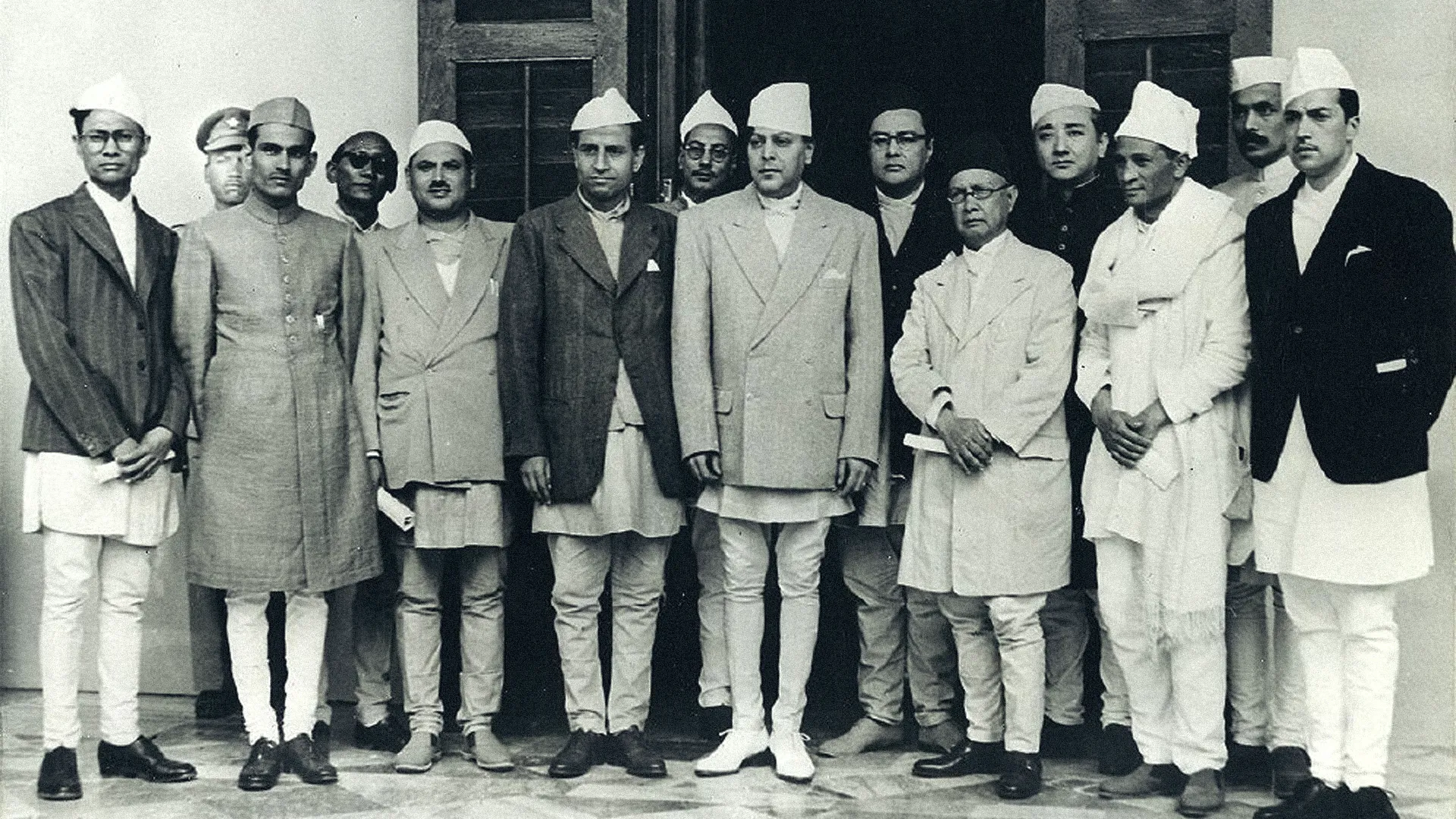
However, a historical analysis of the 1951 revolution raises a critical question regarding who truly benefited from the democratic transition: the King or the citizens. In the immediate aftermath, the primary political beneficiary was the monarchy itself. The revolution rescued the institution of the monarchy from over a century of captivity under the Rana Prime Ministers, restoring absolute executive power to the Shah kings. King Tribhuvan’s initial promise to govern according to a constitution drafted by an elected constituent assembly remained unfulfilled. This consolidation of royal power ultimately laid the foundation for his successor, King Mahendra, to dismantle the nascent parliamentary democracy in a 1960 royal coup and impose the partyless, autocratic Panchayat system for the next three decades.
Conversely, the long-term benefits of the 1951 revolution were inherently tied to the Nepali people. While the ruling elite monopolized the immediate political power, the citizens transitioned from being mere subjects to recognized citizens with fundamental rights. The revolution shattered the country's deliberate isolation, opening the floodgates to modern education, healthcare, infrastructure, and political consciousness. It was this foundational civic awakening that eventually empowered the citizens to launch subsequent mass uprisings in 1990 and 2006, ultimately abolishing the monarchy and establishing a federal democratic republic.
The release of the former King's video message has triggered immediate reactions within political circles in Kathmandu. Current government ministers have dismissed the former monarch's rationale for postponing the polls, whereas pro-monarchy factions, including the Rastriya Prajatantra Party, are utilizing the statement to mobilize their political base. This public intervention introduces a complex new dynamic into the current electoral landscape, intertwining Nepal's turbulent historical legacy with its present political crossroads.

Interested in this ad?
Would you like to continue to the link or provide your information for more details?
Please provide your information
To continue, please fill in your details