


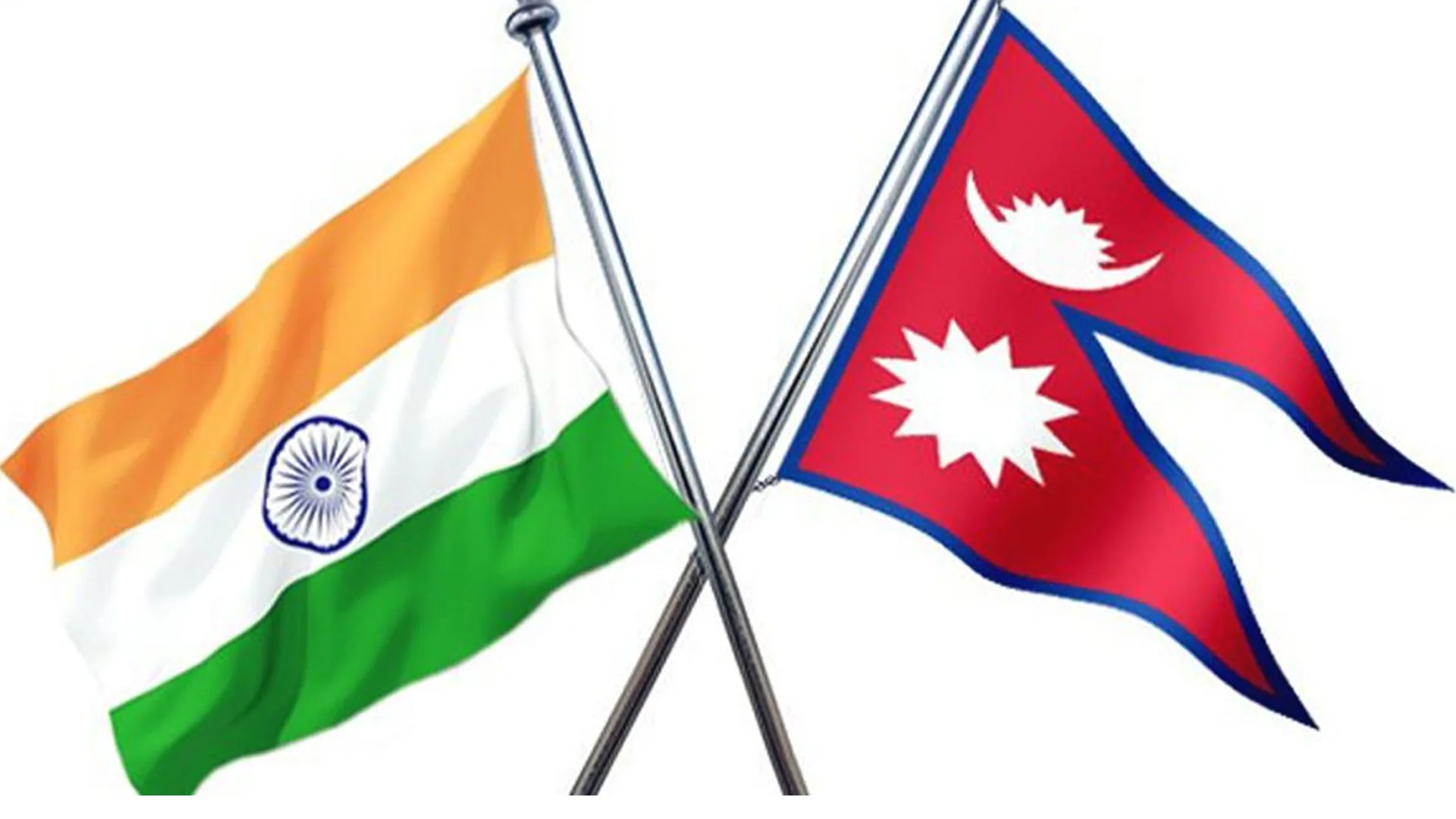
A new era of global order is characterised by rising pragmatism and increasing regional cooperation. The nations are increasingly bypassing rigid ideological bottlenecks and giving way to flexible, interest-driven partnerships in the fragmented world. Besides, there is an increasing pattern of revisionist tendencies in terms of diplomatic and strategic ties. With shifting global alliances and rising uncertainties, countries are rekindling relations with their old traditional allies, characterised by shared historical ties and deep-rooted cultural connections. As the world transitions towards multiple centres of power, the economies are resorting to a strategy of intensification of strategic relations in the traditional spheres of diplomacy, along with the extensification of ties to newer and unconventional spheres of diplomacy. Modern-day diplomacy is marked by cooperation that cuts across traditional hard-power concerns and a new generation of soft-power diplomacy. This includes security, economic cooperation, trade, tech and AI, digital and cyber, supply chain management, and climate diplomacy, among others. The recent rekindling of India-Nepal relations is one such instance of this phenomenon.
Though Nepal and India have an expansive, multifaceted partnership rooted in a long open border and deeply intertwined cultural, religious, and economic ties, with prioritising each other with the “Neighbour First” policy, the new leadership in Nepal has steered the India-Nepal relations to a more economically pragmatic, sovereign, and protocol-bound partnership, which many experts are calling the new phase. Not only has there been a surge of new commitment to resolve the border disputes, but Nepal's new regime has also committed itself to a fresh, pragmatic vision for resetting ties between India and Nepal.
On the trade front, the two signed a MoU on the Customs Data Exchange agreement in January 2026 to facilitate faster clearance of goods through pre-arrival export information. The arrangement will facilitate both countries to exchange data electronically within legal limits and use the information for risk analysis to enhance customs control and trade facilitation. In February 2026, the two governments signed an MoU to promote bilateral cooperation in the areas of forests, wildlife, environment, biodiversity conservation, and climate change, including restoration of wildlife corridors and interlinking areas, and exchange of knowledge, technical expertise, and best practices.
Extending cooperation to the field of Judicial Cooperation, the two also signed an MoU between the Supreme Courts of the respective countries, aiming to develop, promote, and strengthen cooperation between the judiciaries of the two countries. This involves exchange of information on latest developments in the field of law and justice, along with promoting among judges and officials at various levels of judiciaries through programmes such as exchange of visits, short- and long-term trainings, and academic programmes. With the growing role of technology in expediting processes in the judiciary, the MoU also provides for sharing information on technology employed in their respective judicial institutions.

Interested in this ad?
Would you like to continue to the link or provide your information for more details?
Please provide your information
To continue, please fill in your details
The two nations also expressed their commitment to work together through the signing of the MoU to strengthen cooperation in the water, sanitation, and hygiene (WASH) sector. The allyship in this sphere intends to promote collaboration in intergovernmental cooperation in the WASH sector to ensure better access to clean drinking water and sanitation for their populations. The MoU envelopes collaboration in capacity building, technology and knowledge transfer, and groundwater management, focusing on quality improvement, artificial recharge, and rainwater harvesting.
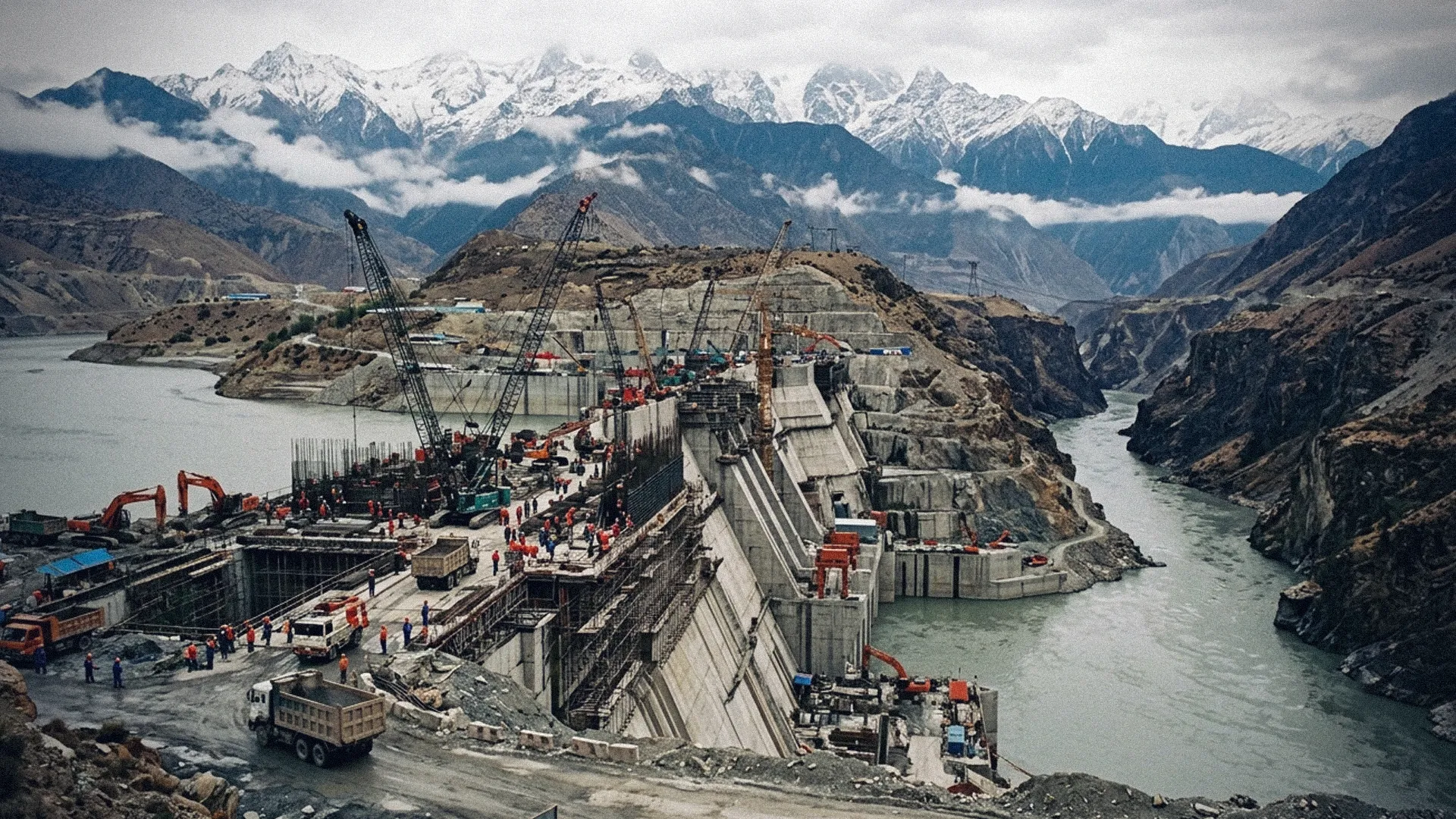
The expanding multifaceted ties are in addition to the traditional realms of cooperation, with the most prominent being energy security. India and Nepal have deeply connected and long-term energy security relations. India has positioned itself as the primary market for Kathmandu’s untapped hydropower. The Long-Term Power Trade Agreement between the two countries guarantees Nepal a long-term market for its surplus hydroelectricity production while helping India meet its growing renewable energy demands. This power trade agreement reflects an ambitious partnership goal that is vital to the development trajectories of both economies.
Besides, the Nepal–India Digital Corridor Framework connects Nepal’s IT strategy with India’s Digital Public Infrastructure ecosystem. This stands to create a secure, sustainable, and innovative digital corridor between the two, while seeking to promote regional innovation and accelerate South Asia’s digital transformation. This unique dimension of soft-power diplomacy facilitates financial integration and ease of living, a stepping stone for economic development, while integrating Nepal's consumer market and tourism sector with the Indian economy.
As experts suggest, India’s Neighbour First policy also expands to play a crucial role in facilitating structured development assistance to Nepal to upgrade its LDC status. Thus, the new phase or the reset of India-Nepal collaboration has acquired a pragmatic outlook, based on the tenets of mutual benefit, security, and cooperation. At the regional level, the newer shift towards greater economic exchange, green energy cooperation, digital integration, and institutional exchanges is not just a welcome move towards greater regional solidarity, stability, and economic growth. At the global level, the rejuvenation of the ties between the two is a prototype of the rising pragmatism, consolidation of power and security in regional pockets, and a revisionist outlook to rely on the historical partners in the time of global uncertainties.