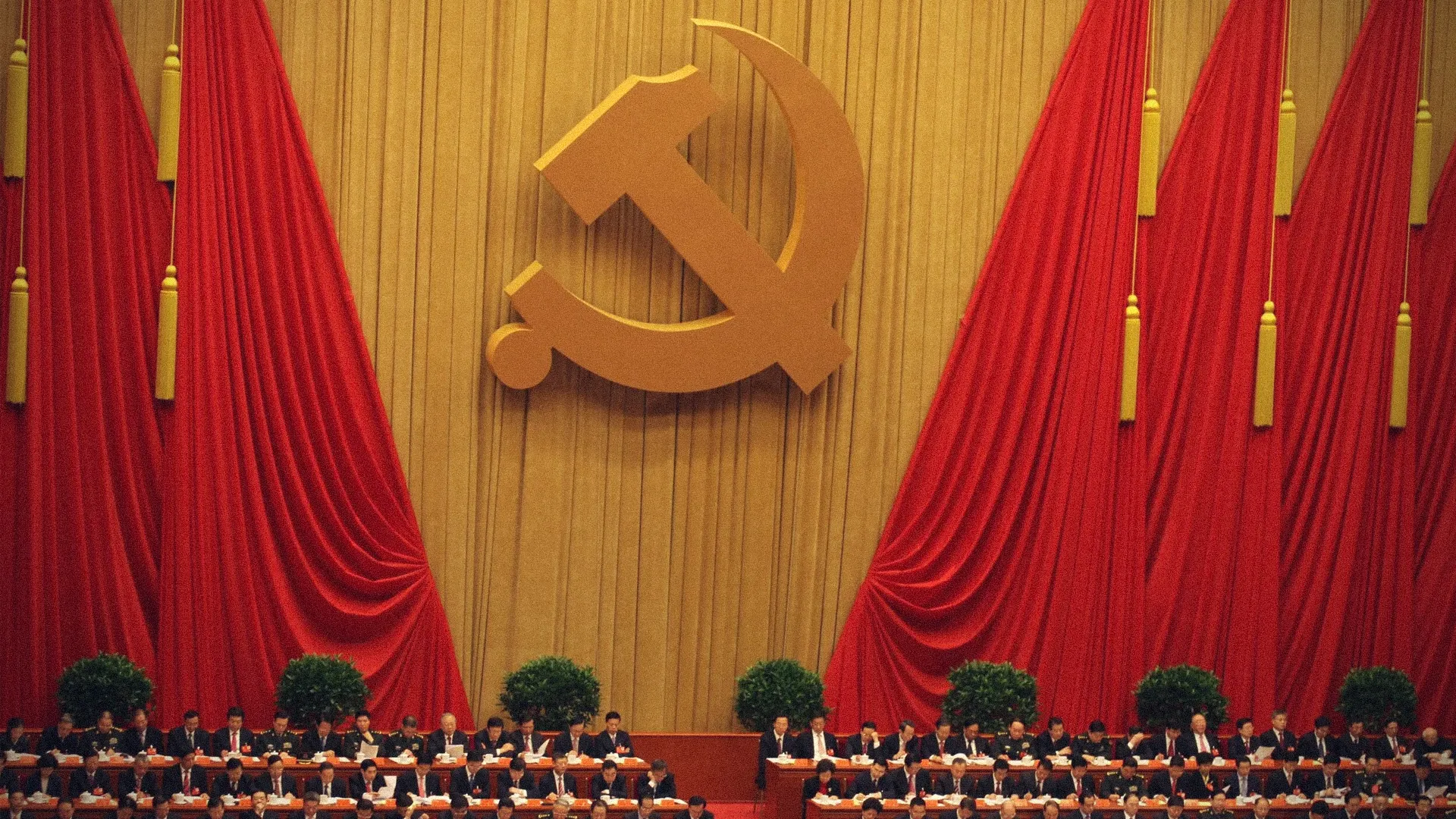



China’s economic miracle was once celebrated as a model of rapid modernization, lifting millions out of poverty and creating dazzling skylines that symbolized progress. Yet beneath this glittering façade lies a sobering reality: millions of educated young Chinese are struggling to find jobs that match their qualifications. The Chinese Communist Party (CCP), despite its promises of prosperity, has failed to deliver meaningful employment opportunities. Instead, wrongheaded policies, unchecked automation, and political inaction have left a generation disillusioned, underemployed, and increasingly hopeless.
China now produces more than 11 million university graduates annually, but the job market cannot absorb them. In 2026, official figures placed youth unemployment at 20.8%, though independent estimates suggest the real number is closer to 25–30%. Even graduates from elite “985” and “211” universities—once guaranteed pathways to prestigious careers—are now competing for low-paying service jobs or gig work. The mismatch between education and employment is glaring. Engineering graduates deliver food, law graduates work as couriers, and computer science majors are forced into temporary retail positions. The CCP’s inability to align education with industry demand has created a crisis of wasted talent, eroding the very foundation of China’s future workforce. Instead of addressing structural flaws, the CCP has doubled down on policies that exacerbate the crisis. The “AI Plus Action Plan”, launched in 2025, aims for 70% AI penetration in key industries by 2027. While this boosts efficiency, it also accelerates layoffs. Departments in tech firms—once hubs of innovation—are being dissolved as AI tools replace human labour. Over 130,000 jobs have been cut across Alibaba, Tencent, ByteDance, Meituan, and Baidu in the past 18 months. The government’s response has been to rebrand unemployment as “flexible employment,” pushing graduates into gig work with no security, benefits, or career progression. This is not reform—it is disguised unemployment, a cynical attempt to mask systemic failure.
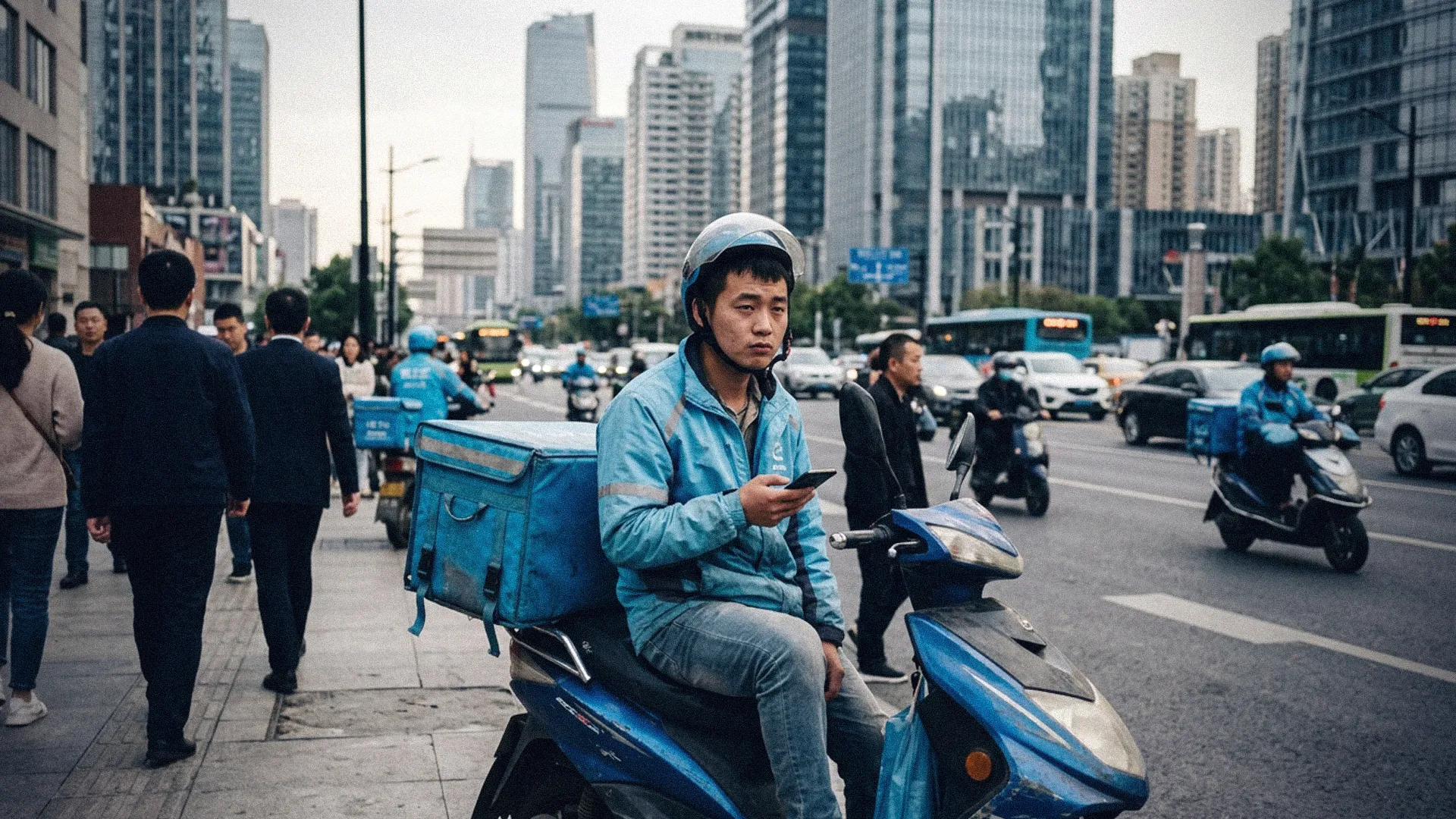
The plight of China’s 13 million delivery riders epitomizes this crisis. A new documentary, 2026 China Delivery Rider Survival Report by Sanian Life Lab, revealed how smarter algorithms have trapped workers in cycles of longer hours and shrinking pay. Per-order fees have plummeted from over 10 yuan ($1.40) to just 3–5 yuan ($0.42–$0.70). Many riders are university graduates who could not secure jobs in their fields. They now risk their lives weaving through traffic, racing against algorithmic deadlines, while accidents and injuries mount. As one rider lamented, “The smarter the algorithms get, why are we working more but earning less?” Technology, once hailed as a liberator, has become a trap, exposing the CCP’s failure to protect its citizens from exploitation.
The psychological toll is immense. Young workers describe exhaustion, alienation, and despair. Social media is filled with confessions of hopelessness: “No plans for the future,” “Half alive,” “All that’s left of us is our legs.” A ByteDance employee dismissed at 35 was forced to hand projects to a younger apprentice before being laid off. A “985” graduate, unable to find work after years as a full-time mother, now delivers takeout. These stories reveal a society where ambition has collapsed into survival, and where the CCP’s promises of prosperity ring hollow. The alienation is profound, with many graduates questioning whether education itself has become meaningless in a system that cannot reward their skills.

Interested in this ad?
Would you like to continue to the link or provide your information for more details?
Please provide your information
To continue, please fill in your details
The broader implications are sobering. China’s delivery riders embody the collision of technological progress and human vulnerability. Algorithms, designed to optimize efficiency, have become instruments of control, dictating routes, deadlines, and pay. Workers are reduced to data points, their humanity overshadowed by metrics. The industry’s growth mirrors China’s economic contradictions: dazzling innovation paired with deep inequality. The CCP’s obsession with control and efficiency has created a society where convenience comes at the cost of human dignity, and where the brightest minds are wasted in survival jobs.
China’s youth crisis is not a temporary shock—it is the result of systemic failures. The CCP has prioritized efficiency and propaganda over human livelihoods, leaving millions of educated citizens underemployed and hopeless. By embracing automation without safeguards, silencing dissent, and obscuring data, the government has abandoned its responsibility to the very generation that once fuelled China’s rise. The delivery rider, racing against an algorithm for three yuan per order, is more than a worker—he is a symbol of China’s broken promises. Smarter algorithms have indeed made lives cheaper, and the CCP’s inaction has ensured that hopelessness spreads across a generation.
Unless Beijing confronts this crisis with transparency, reform, and genuine investment in human capital, China risks eroding not only its economic future but also its social stability. The youth are not just unemployed—they are disillusioned, and their despair may become the seeds of deeper unrest. The CCP’s failure to provide jobs that match education qualifications is not merely an economic issue—it is a moral one. A nation that cannot honour the aspirations of its youth cannot sustain its ambitions for global leadership.