



Allegations that religious practices in China are facing systematic restrictions have once again intensified international debate over religious freedom and human rights.
Recent reports released by human rights organizations and several international lawmakers claim that religious communities in China are subject to strict oversight and regulatory controls. According to these reports, various groups—including Uyghur Muslims, Christian communities, Tibetan Buddhists and other minority religious groups—face monitoring and limitations on religious activities.
Human rights advocates argue that religious institutions are required to operate strictly within state-approved frameworks. In some areas, religious education, worship activities and cultural practices are reportedly restricted or closely supervised.
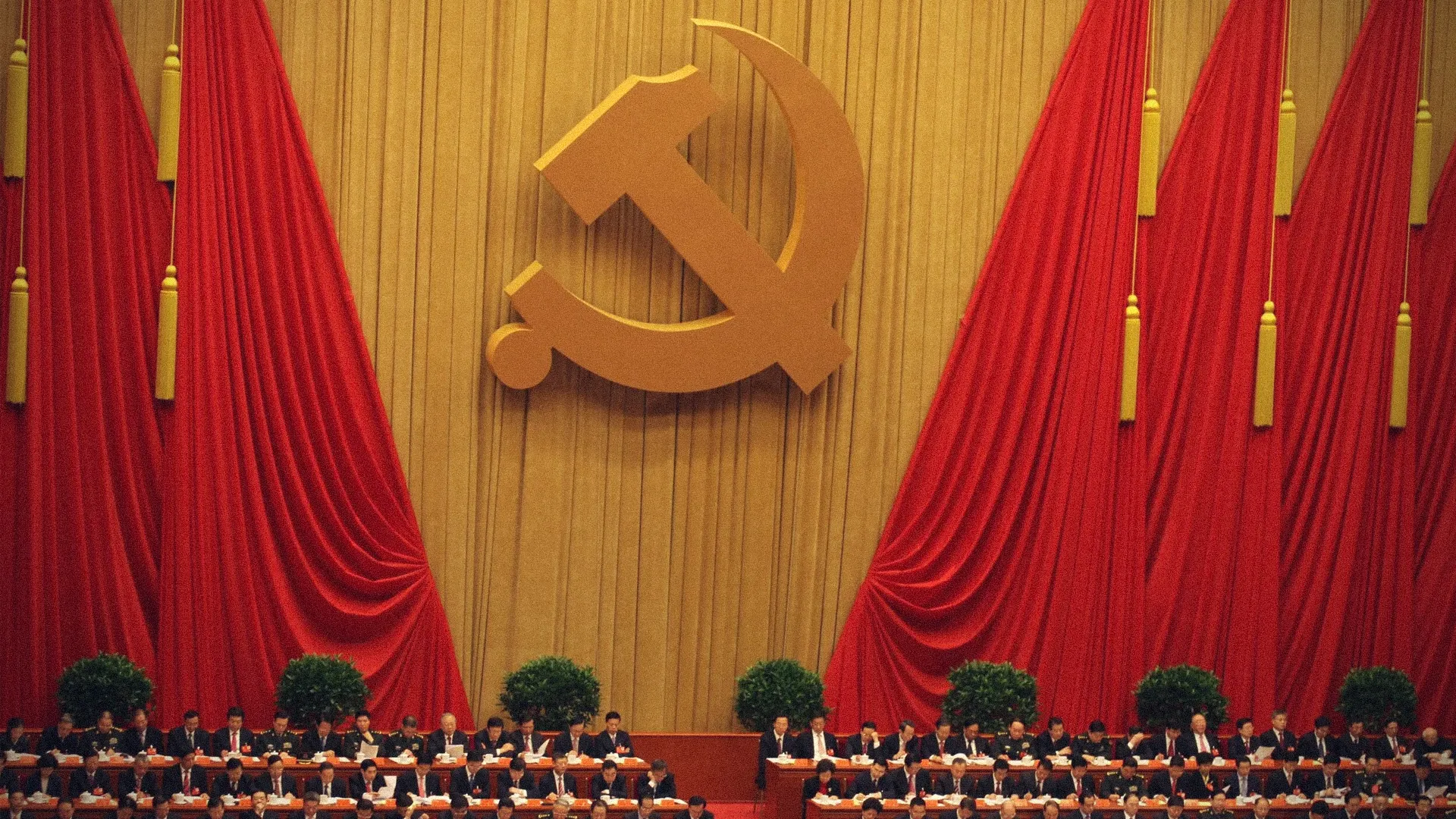
Analysts say the Chinese government views religious activity partly through the lens of political stability. Activities conducted outside official state oversight are often interpreted as potential security concerns within the country’s governance framework.

Interested in this ad?
Would you like to continue to the link or provide your information for more details?
Please provide your information
To continue, please fill in your details
International human rights organizations have urged Chinese authorities to respect religious freedom and allow communities to practice their faith without excessive restrictions. Lawmakers in several countries have also raised the issue in global human rights discussions.
In the South Asian context, the debate carries additional sensitivity because of its connection with Tibet and related cultural and religious questions. Issues linked to Tibetan Buddhism and the spiritual leadership of the Dalai Lama periodically surface in international diplomatic conversations.
Experts say that China’s approach to religious policy and the human rights questions surrounding it may continue to influence international diplomatic discussions in the coming years.