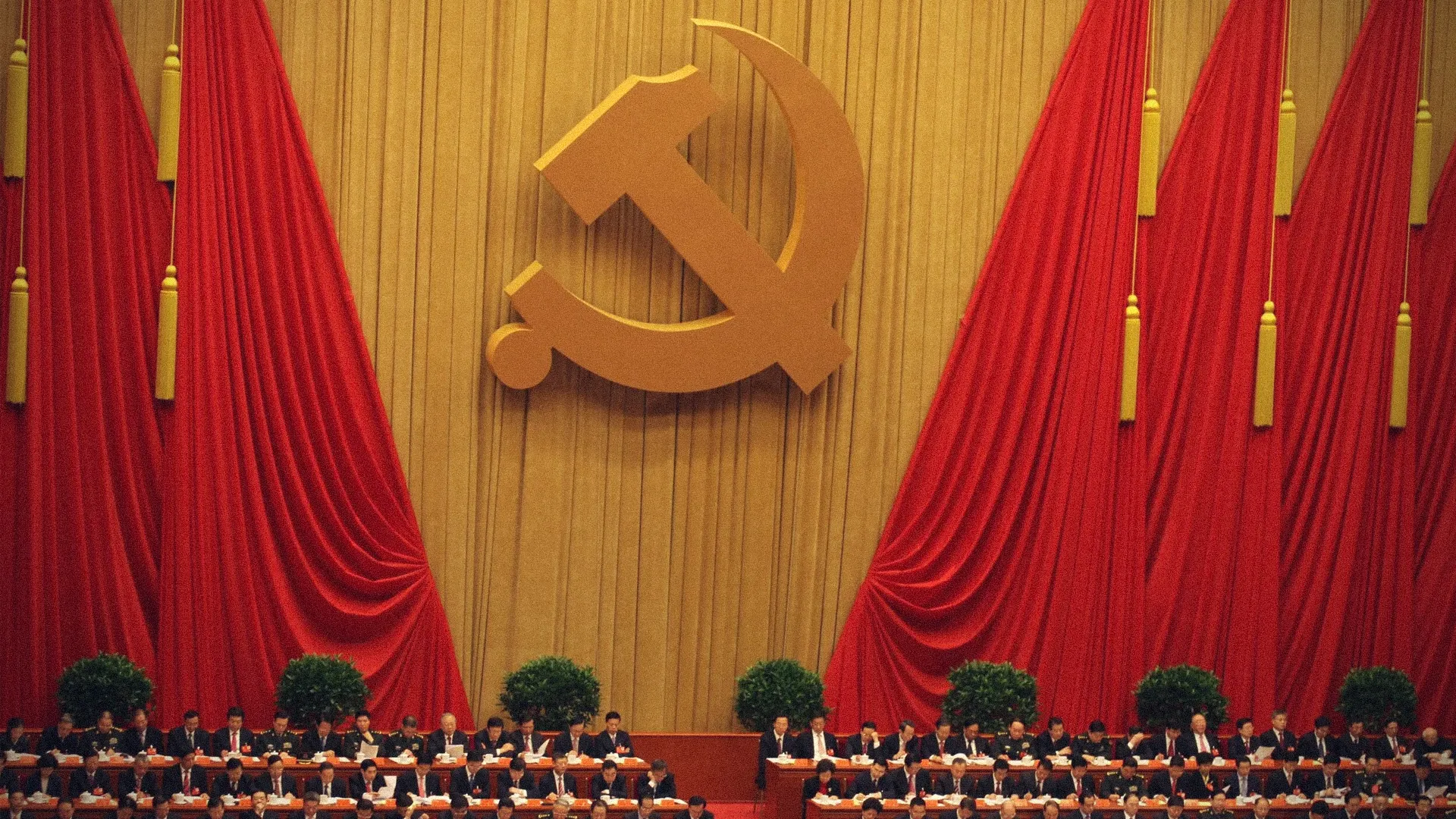




The long-standing anti-corruption crusade led by President Xi Jinping has evolved into a cornerstone of modern Chinese governance, fundamentally reshaping the nation's internal power dynamics. According to recent institutional analysis, this initiative extends far beyond simple administrative reform, acting as a powerful mechanism for cementing political authority and ensuring absolute compliance within the state hierarchy.
The campaign’s reach is vast, claiming thousands of casualties across the civil service, military ranks, and the Communist Party membership. Officially, the state frames these purges as a necessary cleansing of systemic rot and a push for better governance. However, the selective targeting of high-ranking individuals has led observers to categorize the movement as a strategic effort to dismantle political rivalries and enforce a singular ideological path.

Interested in this ad?
Would you like to continue to the link or provide your information for more details?
Please provide your information
To continue, please fill in your details
This centralized grip on power has effectively stifled internal debate. While party discipline has reached an unprecedented peak, the absence of independent judicial oversight and a free press continues to cast doubt on the impartiality of the proceedings. The result is a governance model that is increasingly top-heavy and reliant on centralized control.
As the campaign persists, the dual nature of its impact remains a subject of international scrutiny. On one hand, it addresses public grievances regarding graft; on the other, it institutionalizes a permanent state of political vigilance. The ultimate legacy of this movement will likely be defined by how it balances legitimate administrative transparency against the long-term effects of rigid power concentration.