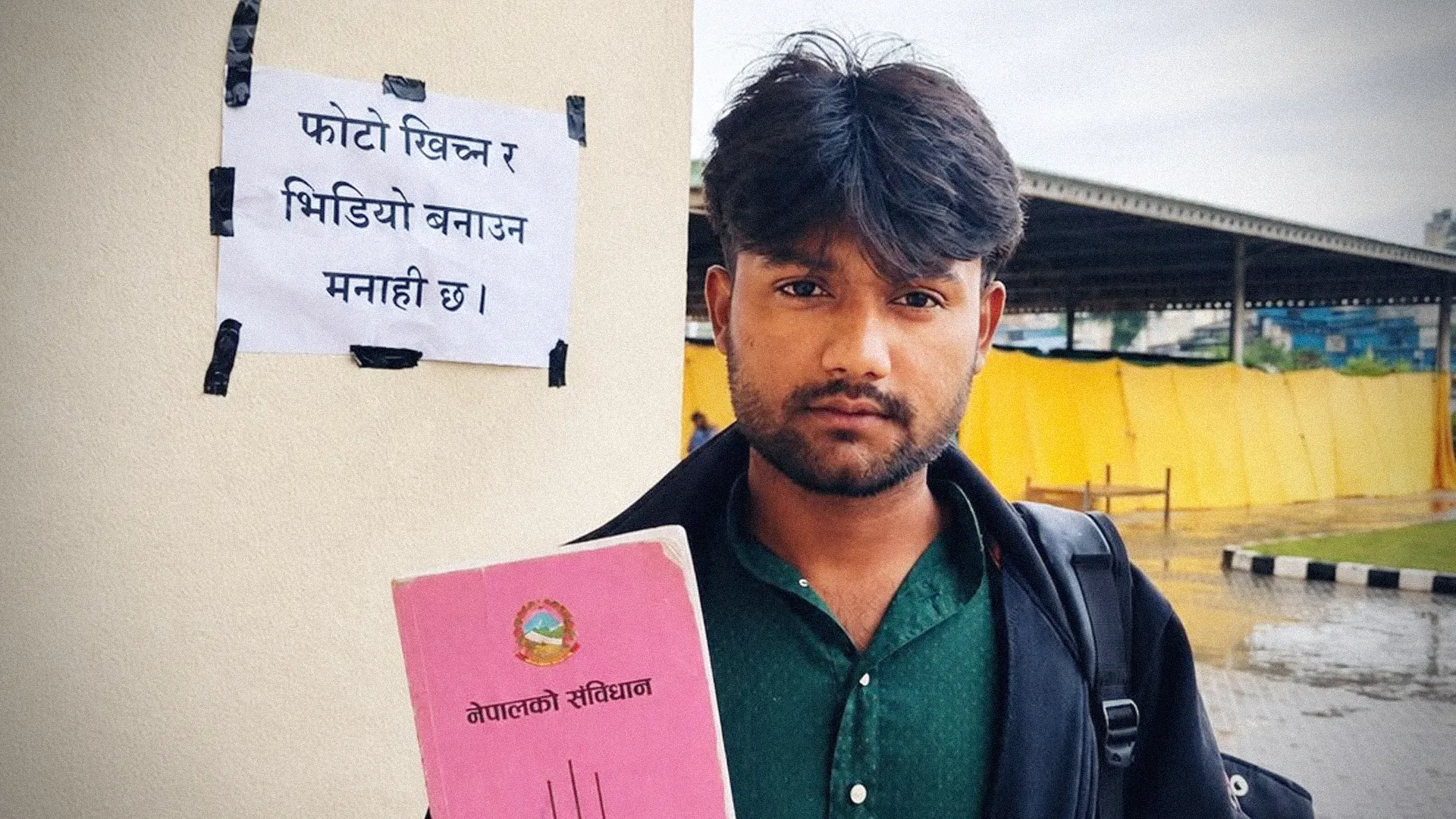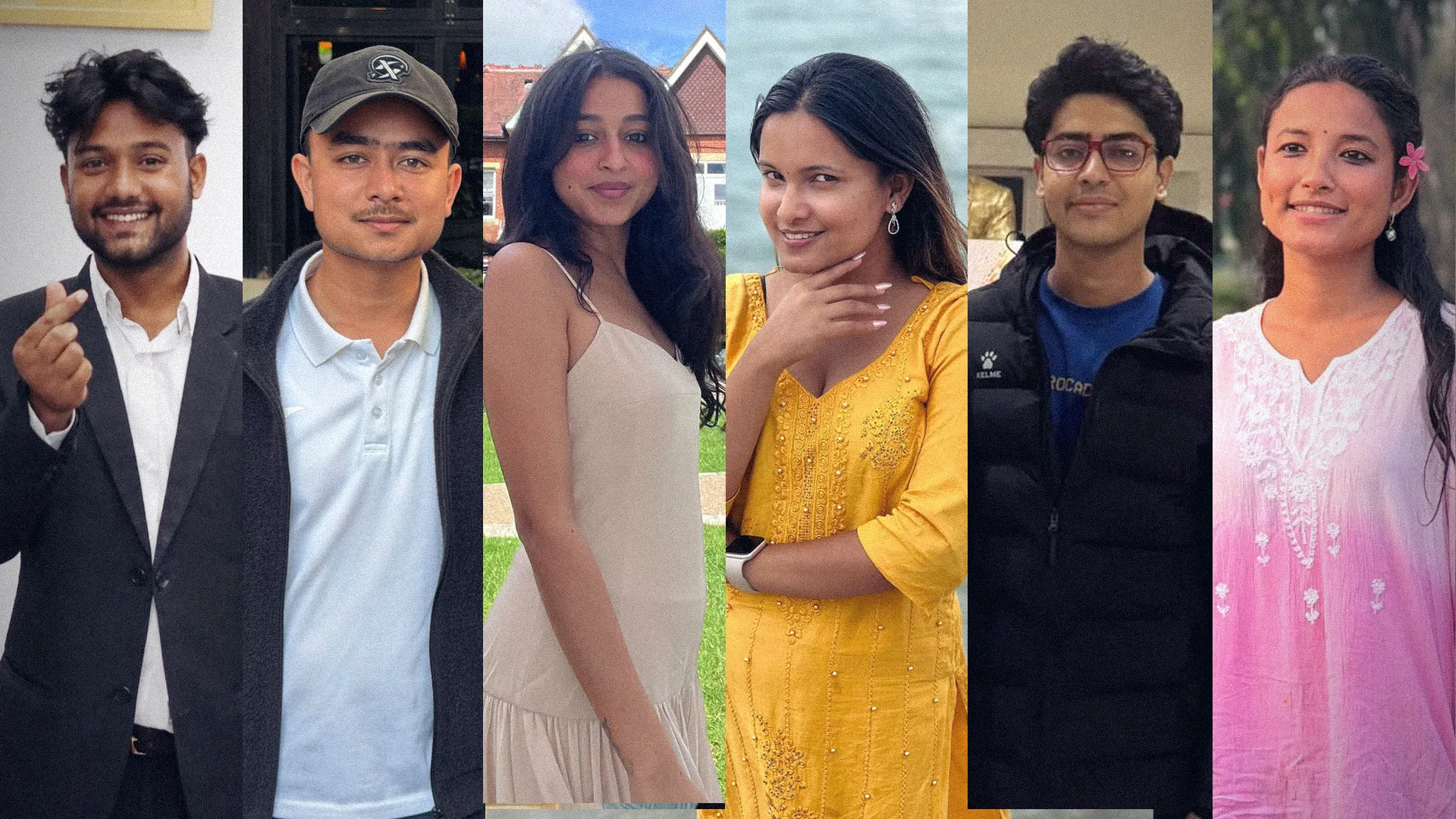



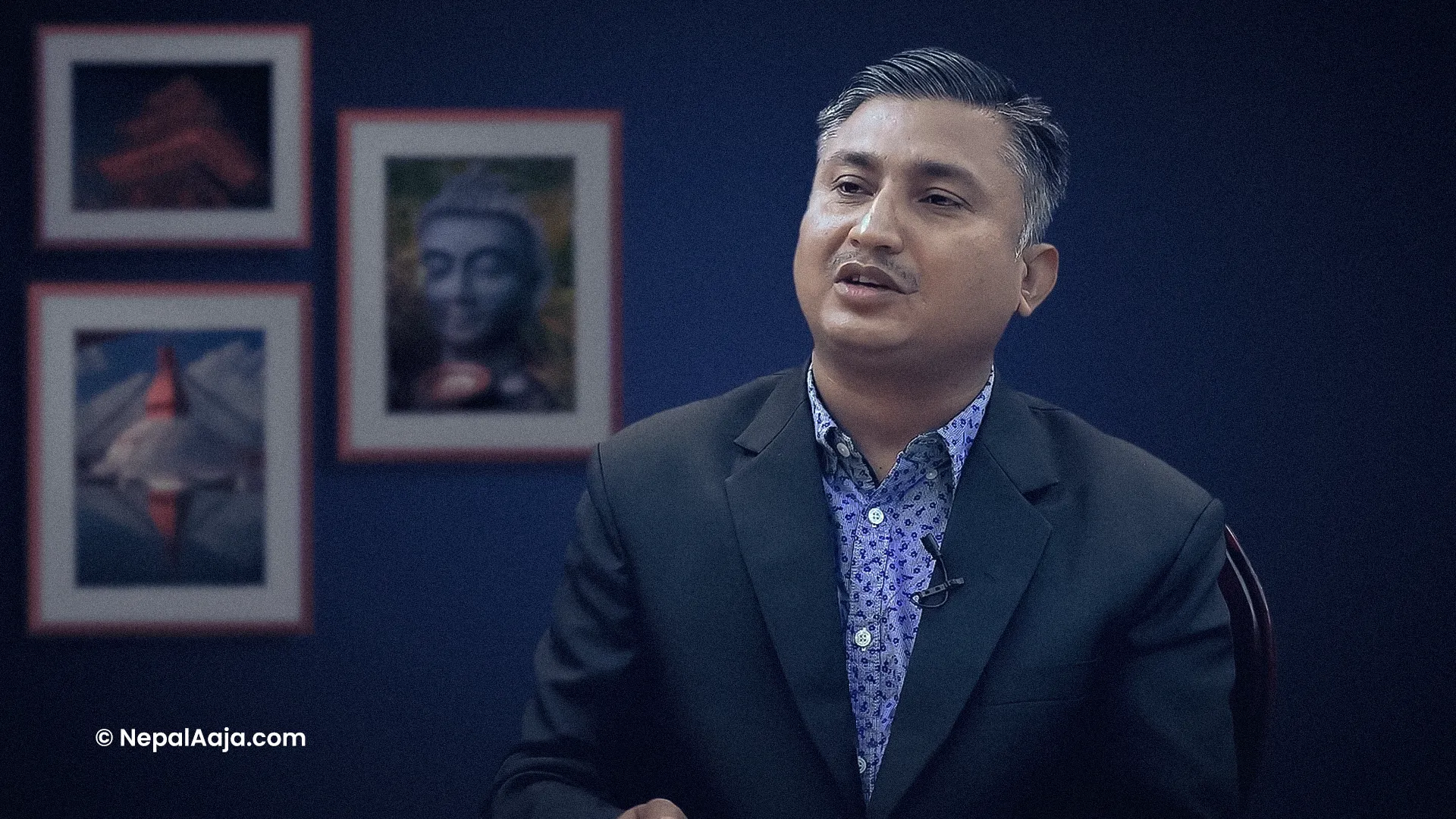
Kathmandu — Vinay Yadav, the founding chair of the National Unity Campaign, has formally entered parliamentary politics, transitioning from civil-society activism to electoral competition. In contrast to figures often described as “tourist candidates”—those who appear only during election season with no emotional or social ties to the local geography, culture, or issues—Yadav is widely regarded as having a strong local presence and deep grassroots engagement.
The Rastriya Ekata Dal (National Unity Party), which held its formal declaration assembly in January 2026, has made the restoration of Nepal as a Hindu nation, national self-respect, and corruption control its core political agenda. Yadav, who holds a Master’s degree (MA) in Political Science, has framed his candidacy as a struggle for “defensive sovereignty” and the protection of Hindu rights.
Intense competition in Bara–4
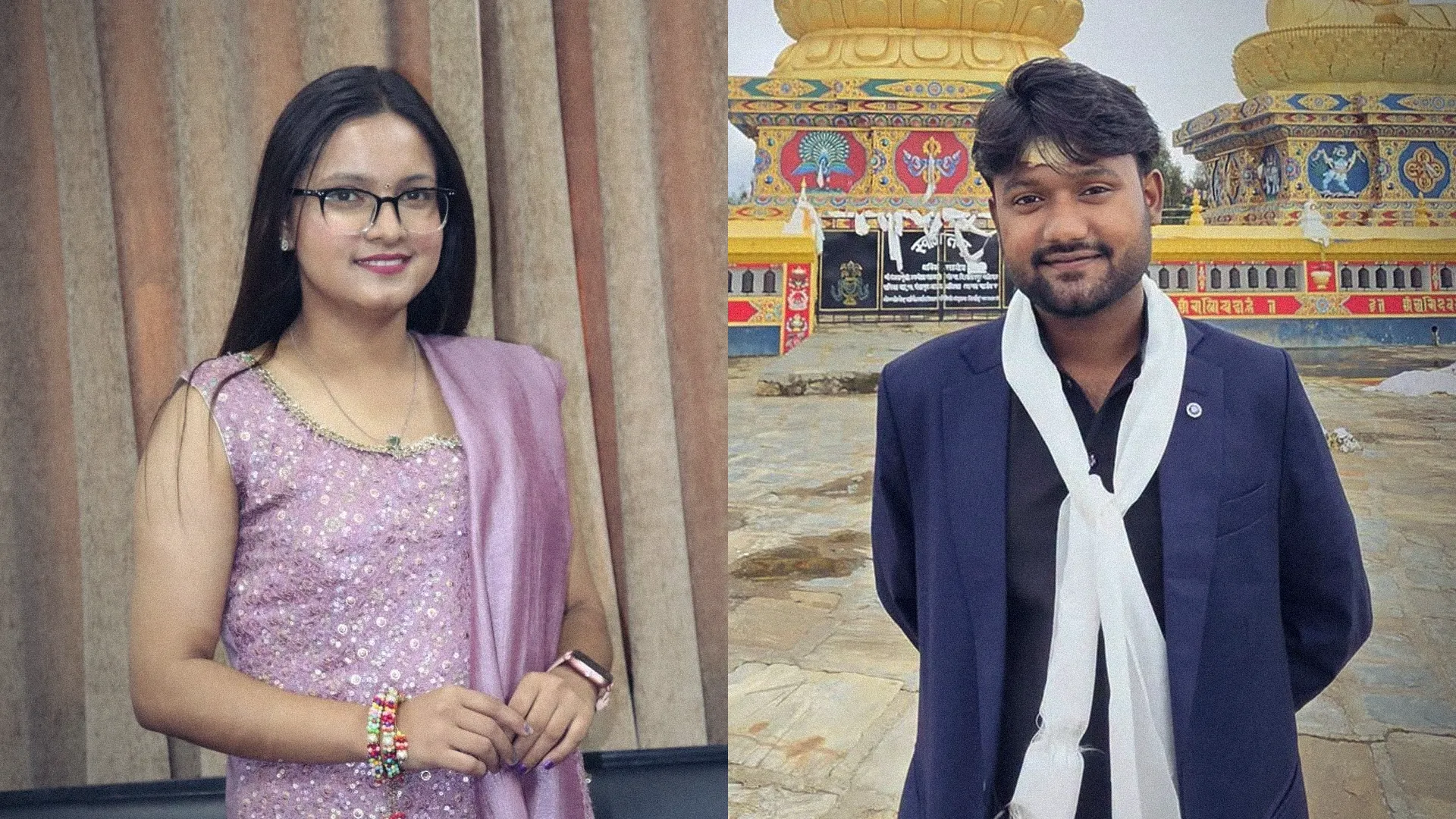
In Bara Constituency No. 4, a total of 39 candidates have registered their nominations this election—20 from political parties and 19 independents. Yadav will be competing against candidates including Kisan Shrestha of the CPN-UML, Rahbar Ansari of the Rastriya Swatantra Party (RSP), Shyambabu Gupta of the Nepali Congress, and Dilip Kumar Nepal of the Rastriya Prajatantra Party (RPP). The constituency has also seen nominations from former Inspector General of Police Sarbendra Khanal of the National Transformation Party and Samim Miyan Ansari of the Nation-Building Party.
A political journey shaped by childhood experiences
Born on August 10, 1983 (B.S. 2040 Shrawan 25), in Lipani, Parwanipur, Bara district, into an ordinary farming family, Yadav has said his political outlook was shaped by violent incidents he witnessed in his childhood.
According to Yadav, while he was studying in Grade 6 at Janata Secondary School, an attack was carried out on Nagendra Gupta of Rampur on the instructions of then UML leader Salim Ansari. Gupta reportedly lost one eye in the assault, creating an atmosphere of fear in the village—an event Yadav says left a deep psychological impact on him as a child.
Similarly, around B.S. 2056 (circa 1999–2000), Yadav himself was injured during a clash linked to a dispute over encroachment on temple land in Chapkaiya, Birgunj. Following these incidents, he became involved with the Hindu Swayamsevak Sangh from Grade 7 onward and began actively working for the protection of Hindu religion and human rights.

Interested in this ad?
Would you like to continue to the link or provide your information for more details?
Please provide your information
To continue, please fill in your details
Agenda against corruption and external interference
In his election campaign, Yadav has prominently raised allegations of corruption in the construction of Pokhara International Airport, a matter that is currently under investigation.
Earlier, during his leadership of the National Unity Campaign from 2022 to 2026, he maintained a firm stance against what he described as Chinese interference in Nepal. His activities included submitting memoranda to the United Nations and the Government of Nepal regarding alleged border encroachment in Humla and Gorkha, as well as being arrested during protests against the visit of Chinese leader Li Zhanshu. He has also consistently opposed the Belt and Road Initiative (BRI) agreement and demanded the dissolution of the Muslim Commission, framing both as political issues.
The “tourist candidate” debate and the local identity of Vinay Yadav
In the electoral contest in Bara–4, National Unity Party candidate Vinay Yadav is widely viewed as a genuinely local figure, with deep, generational ties to the land and society of the constituency. Political analysts note that several competing candidates in the same race fit the profile of so-called “tourist candidates.”
According to these analysts, some contenders have migrated from India, acquired citizenship through their fathers’ naturalization, and subsequently obtained citizenship by descent, while others have relocated to the area only recently with the sole objective of contesting the election. Such candidates—who lack emotional ties to the local geography, culture, and issues and appear only during election season driven primarily by the pursuit of office—are commonly labeled “tourist candidates.”
In comparison, Yadav’s sustained local presence and grassroots engagement are considered significantly stronger.