The Rejection of Pakistan’s Dowry Ban Bill: A Grim Reminder of Entrenched Gendered Violence
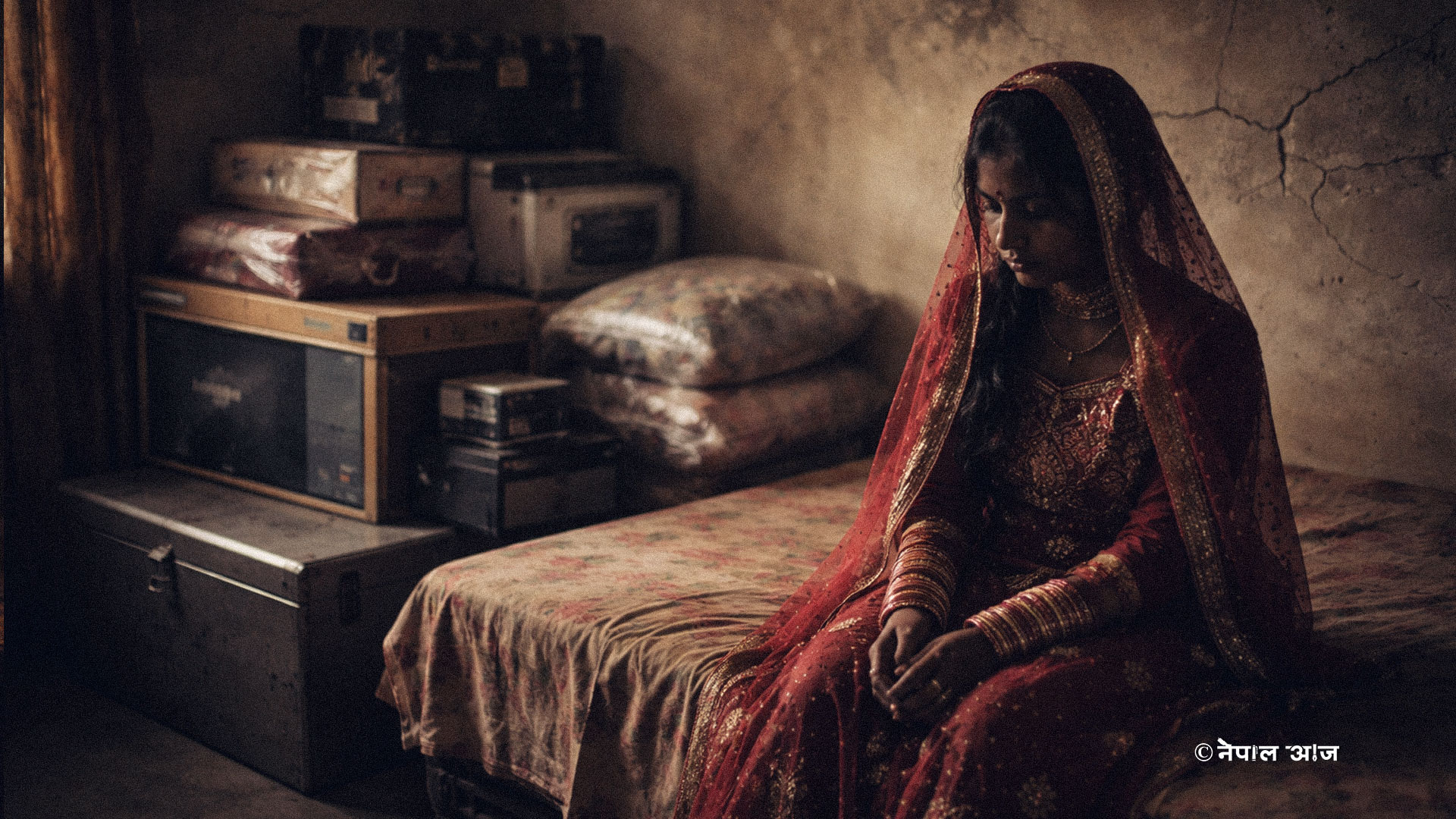
On December 24, 2025, Pakistan’s National Assembly Standing Committee on Interior rejected a bill that sought to outlaw dowry, dismissing it as “impractical.” The decision, though couched in bureaucratic reasoning, has reignited debate about one of the country’s most entrenched social practices, dowry and the devastating violence it perpetuates against women. With an estimated 2,000 brides killed annually in Pakistan over dowry disputes, the rejection of this legislation is not merely a parliamentary setback; it is a stark reminder of the state’s reluctance to confront systemic gendered coercion disguised as tradition.
Dowry in Pakistan typically refers to demands for cash, jewelry, household goods, and other valuables made by the groom’s family. While often defended as “gifts” or cultural norms, the practice has long been a source of coercion, humiliation, and violence. Families unable to provide sufficient dowry face social ostracism, and daughters are frequently treated as burdens. A Punjab Assembly member noted last year that nearly 13.5 million women in Pakistan remain unmarried because their families cannot arrange dowries.
Even when dowries are paid, they are often deemed inadequate, leading to abuse. The tragic stories of Sidra Saleem in Bahawalpur and Mubeen Fatima in Sialkot illustrate the brutality that can follow. Sidra was tortured and expelled from her marital home after her in-laws deemed her dowry insufficient, while Mubeen, a 14‑year‑old bride, was chained, burned with an iron, and eventually set on fire by her husband, allegedly over dowry dissatisfaction. These cases are not isolated; they reflect a broader pattern of dowry‑related violence, often disguised as accidents or suicides to evade legal repercussions.
Bride burning, stove deaths, and other forms of dowry‑related killings are disturbingly common. Pakistan is estimated to have the highest per capita rate of dowry deaths in South Asia. Yet the true scale remains obscured by underreporting, as many cases are treated as private family matters or registered as accidental deaths.
The Proposed Bill and Its Rejection
Moved by Pakistan Peoples Party (PPP) lawmaker Sharmila Faruqui, the Dowry Restraint Bill sought to criminalize dowry practices comprehensively. The proposed legislation laid out a comprehensive framework to criminalize dowry practices in Pakistan. It envisioned prison terms of up to five years, along with fines of Rs250,000 or the equivalent value of the dowry, for anyone found guilty of giving, taking, or facilitating the practice. In addition, it sought to impose penalties of up to two years in prison and fines on those who demanded dowry, whether directly or indirectly. The bill also aimed to curb the cultural normalization of dowry by criminalizing its advertisement or promotion, prescribing jail terms of up to two years for offenders. Importantly, it recognized all bridal gifts as the personal property of the bride, stipulating that any items received by individuals other than her must be transferred to her within three months. This provision was designed to ensure that women retained ownership of their gifts and were not deprived of them by in‑laws or other family members. Together, these measures represented an ambitious attempt to dismantle the coercive system of dowry and safeguard women’s rights within marriage.
All offences were to be treated as cognizable, non‑bailable, and non‑compoundable, with the burden of proof placed on the accused.
Despite its ambitious scope, the bill was unanimously rejected by the committee. Chairman Raja Khurram Nawaz argued that Pakistan already has laws regulating wedding expenses and dowry practices, dating back to 1948 and amended in 1976, and that stronger enforcement of existing laws would be more effective. Other members, such as Khawaja Izhar ul Hassan, criticized the bill for placing the burden of complaint on brides and their families, potentially damaging family relationships. They also pointed to ambiguities around defining “voluntary gifts” and questioned the feasibility of enforcement.
The rejection exposes a deeper fault line in Pakistan’s legislative process: laws addressing structural inequality are often held to impossibly high standards, while those preserving the status quo pass with little scrutiny. As Dr. Rakhshinda Perveen observed, dismissing the bill as “unworkable” reflects a reluctance to legislate against everyday forms of gendered coercion. The committee’s discussion, disturbingly, seemed to encourage dowry rather than restrain it, normalizing a practice that commodifies women.
This outcome is particularly troubling given the scale of the crisis. Dowry disputes not only perpetuate violence but also exacerbate poverty, as poorer families take out loans to meet demands, plunging them into deeper financial instability. The rejection of the bill signals that the state is unwilling to confront this coercive system headon, preferring instead to regulate rather than abolish it.
Existing Laws and Their Limitations
Pakistan’s Dowry and Bridal Gifts (Restriction) Act of 1976 already restricts the amount of dowry and wedding expenses. The Council of Islamic Ideology (CII) has periodically suggested amendments, such as enhancing penalties and adjusting limits. In July 2025, the Supreme Court declared denial of dowry or maintenance on grounds of infertility illegal. Yet enforcement remains weak.
The reality is that laws alone cannot dismantle entrenched social norms. Even among the educated elite, dowry persists in subtle forms. Families may not explicitly demand dowry, but vague smiles and polite dismissals leave the bride’s parents scrambling to provide gifts out of fear of dishonor. This silent coercion underscores the difficulty of legislating cultural practices without broader societal change.
Behind every statistic lies a human tragedy. Sidra Saleem’s ordeal, Mubeen Fatima’s death, and countless other cases highlight the devastating consequences of dowry disputes. Approximately 2,000 brides are killed each year in Pakistan over dowry, a figure that likely underestimates the true toll. Each rejection of reform perpetuates this cycle of violence, signaling to victims that their suffering is secondary to preserving tradition.
The rejection of the Dowry Restraint Bill is not just a legislative failure; it is a moral one. It reflects a state that hesitates to stand with women against coercion, preferring to normalize practices that commodify them. Unless mindsets shift, daughters are no longer viewed as burdens compared to sons' dowry and the violence associated with it will endure.
The Standing Committee’s decision to reject the Dowry Restraint Bill has reinforced the status quo, leaving women vulnerable to one of the most pervasive forms of gendered violence in Pakistan. While existing laws regulate dowry, their weak enforcement and societal acceptance of the practice render them ineffective. The rejection underscores a broader reluctance to legislate against coercion disguised as culture.
Dowry is not culture; it is coercion. It is a practice that commodifies women, perpetuates violence, and entrenches inequality. The rejection of the bill is a grim reminder that without legislative courage and societal transformation, Pakistan will continue to witness thousands of dowry‑related deaths each year. The state must stand with women, not with traditions that destroy them.
Pakistan DowryBan


![From Kathmandu to the World: How Excel Students Are Winning Big [Admission Open]](https://nepalaaja.com/img/70194/medium/excel-college-info-eng-nep-2342.jpg)