


While most attention was focused on the mountains of Pahalgam, something else was happening quietly in the background. The investigation into the 2025 attack showed that terror groups are no longer relying on just one method or one type of fighter. Instead, they are expanding their strategies to strike in new and unexpected ways.
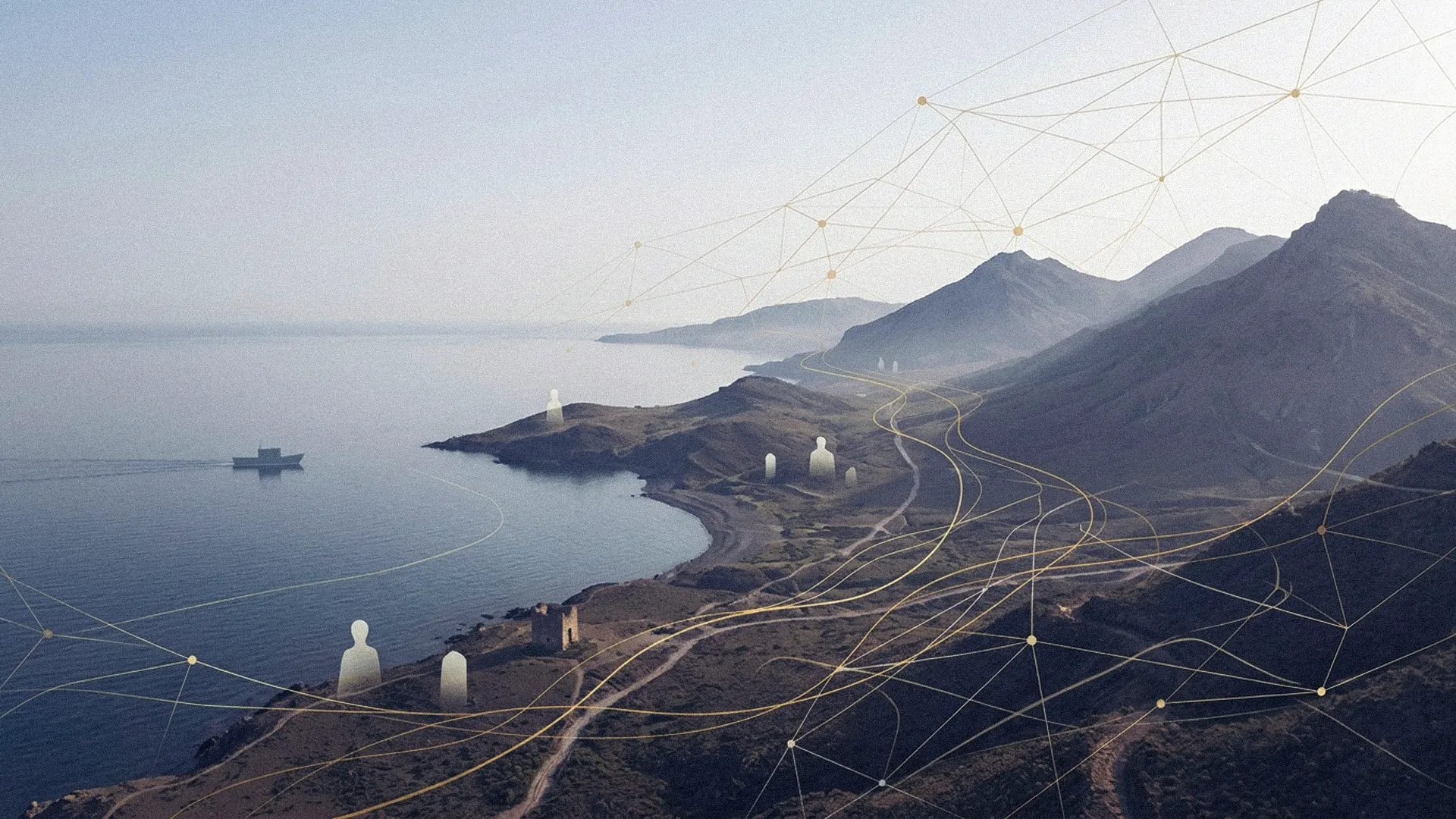
One of the most worrying developments is the creation of what intelligence agencies describe as a “Water Wing.” Groups like Lashkar-e-Taiba (LeT) are now training people for operations at sea. This includes skills like moving through coastal areas, using boats, and carrying out attacks from the water. The concern is that such training could be used to repeat attacks like the 2008 Mumbai attacks, which came through the sea. This means the threat is no longer limited to mountains or border areas—it can come from the coastline as well.
Another major change is the growing role of women in these networks. A group known as “Jamaat-ul-Mominat” is believed to be a women’s wing linked to such organizations. Women are being used in support roles that are critical for planning and executing attacks.
For example, women operatives may be used to transport small weapons or carry messages. Since they are often checked less strictly at security points, they can move more easily without raising suspicion. This makes them useful for tasks that require secrecy.
In addition, this group is also involved in spreading extremist ideas within families and communities. The idea is to ensure that the ideology continues, even if active fighters are caught or killed. In this way, the network keeps rebuilding itself from within.

Interested in this ad?
Would you like to continue to the link or provide your information for more details?
Please provide your information
To continue, please fill in your details
All of this shows a bigger strategy. These groups are trying to expand in different directions at the same time—on land, at sea, and within society. By doing this, they make it harder for security forces to track and stop them. It creates constant pressure and keeps the threat alive in many forms.
However, security agencies are also adapting. They are improving coastal security, increasing surveillance, and developing better systems to track suspicious activities. There is also more focus now on understanding how these networks operate, including the role of women and new recruitment methods.
The situation today is very different from the past. Terror groups are changing their methods, using new tactics, and finding new ways to operate.
The message is clear— the threat is evolving, and it is no longer limited to one place or one form.
And to counter it, responses must evolve just as quickly.