


Growing tensions have surfaced in Kathmandu after a squatter rights group accused authorities of using bulldozers in informal settlements without addressing long-standing land issues.
The All Nepal Squatter Association has urged the government to immediately stop demolition drives, arguing that such actions are creating fear among landless communities rather than resolving their housing concerns.
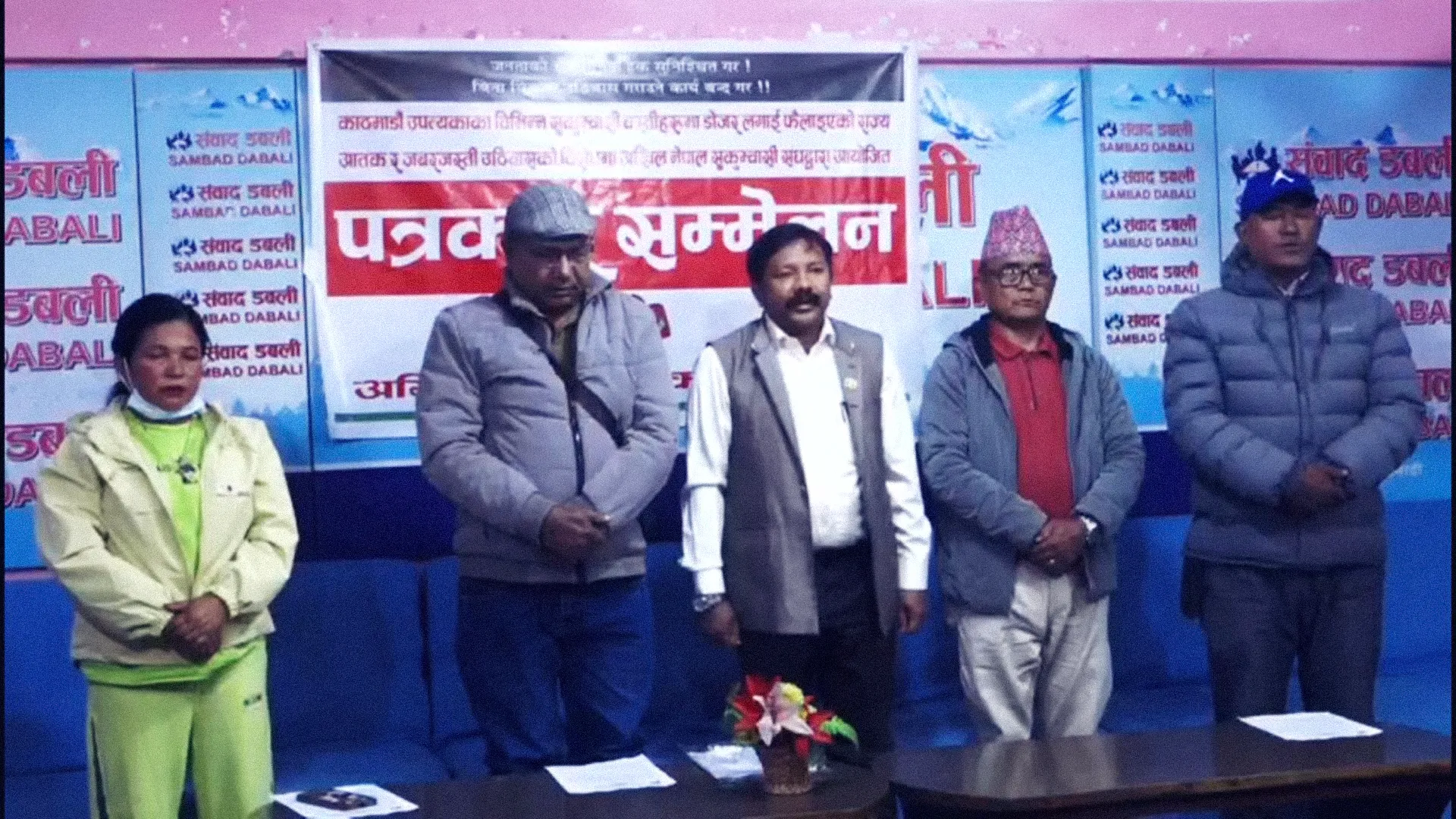
At a press conference on Wednesday, the organization said the state should focus on legally managing landless and unplanned settlements instead of resorting to forced evictions in multiple areas across the Kathmandu Valley.
According to the association, bulldozers were used on March 9 in a settlement in Tokha Municipality Ward 7, Dhapasi, affecting 18 houses. Similar operations were previously carried out in Sifal and parts of Bhaktapur.
Association in-charge Narendra Khadka questioned the necessity of such actions, stating that the current government’s primary mandate was limited to conducting elections. He also expressed concern over the silence of political parties involved in forming the next government.

Interested in this ad?
Would you like to continue to the link or provide your information for more details?
Please provide your information
To continue, please fill in your details
Leaders within the group rejected the narrative that labels squatters as encroachers, emphasizing that many families have lived for years on public or unregistered land and should instead be properly managed and recognized.
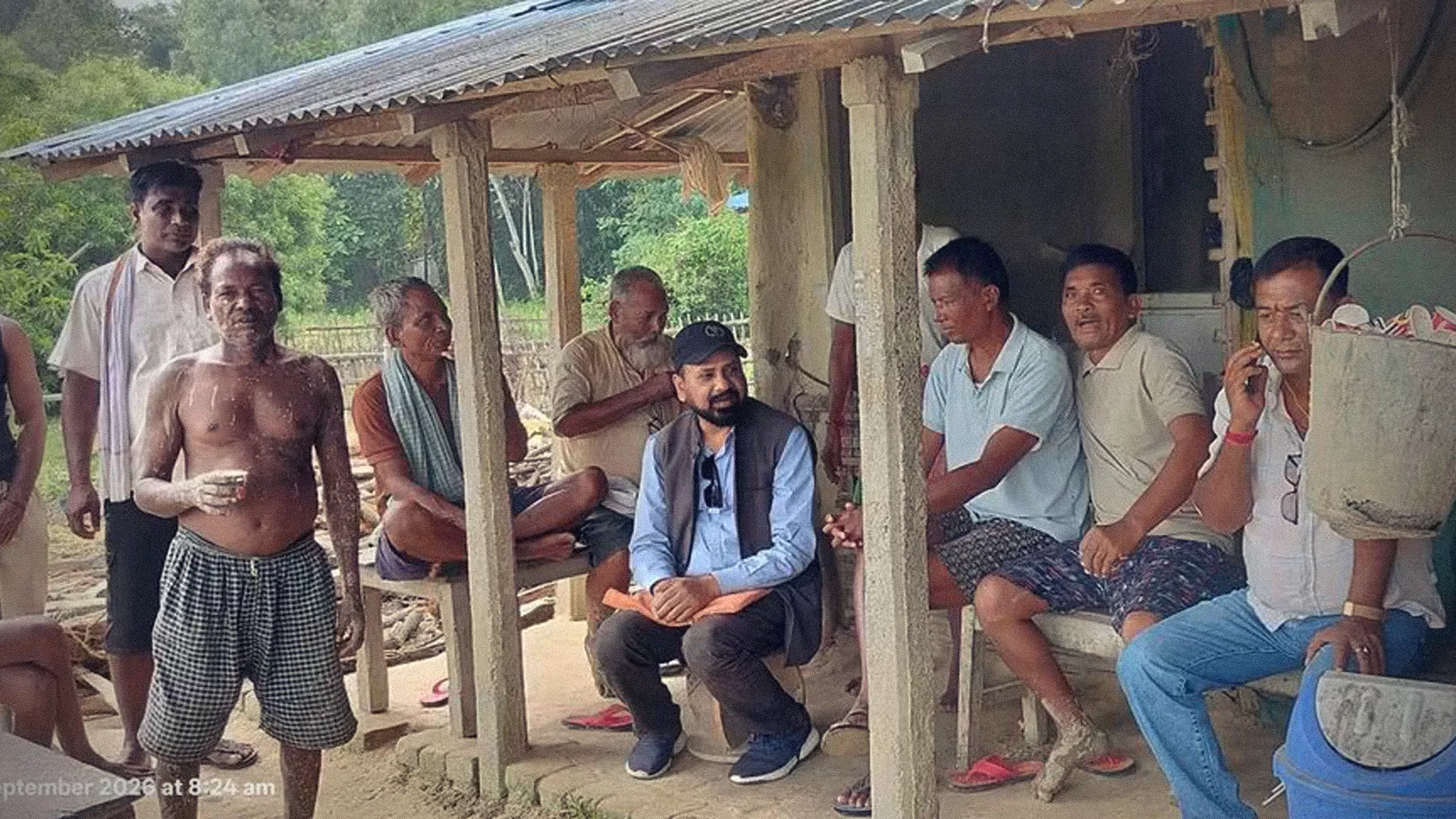
Residents also voiced grievances. Dal Bahadur Khadka, a local affected by the demolition, claimed that authorities misled residents by issuing a notice regarding rented structures but later extended the bulldozer operation to their settlement. He said his family had been living in Dhapasi since 2003 and had already applied to the land commission for ownership documentation.
The association has demanded immediate suspension of demolition activities, implementation of land reform, legal amendments to address land issues, and accelerated distribution of land ownership certificates.
The developments highlight ongoing challenges in balancing urban management with the rights of long-settled landless communities, as calls grow for policy-driven solutions rather than enforcement-led actions.