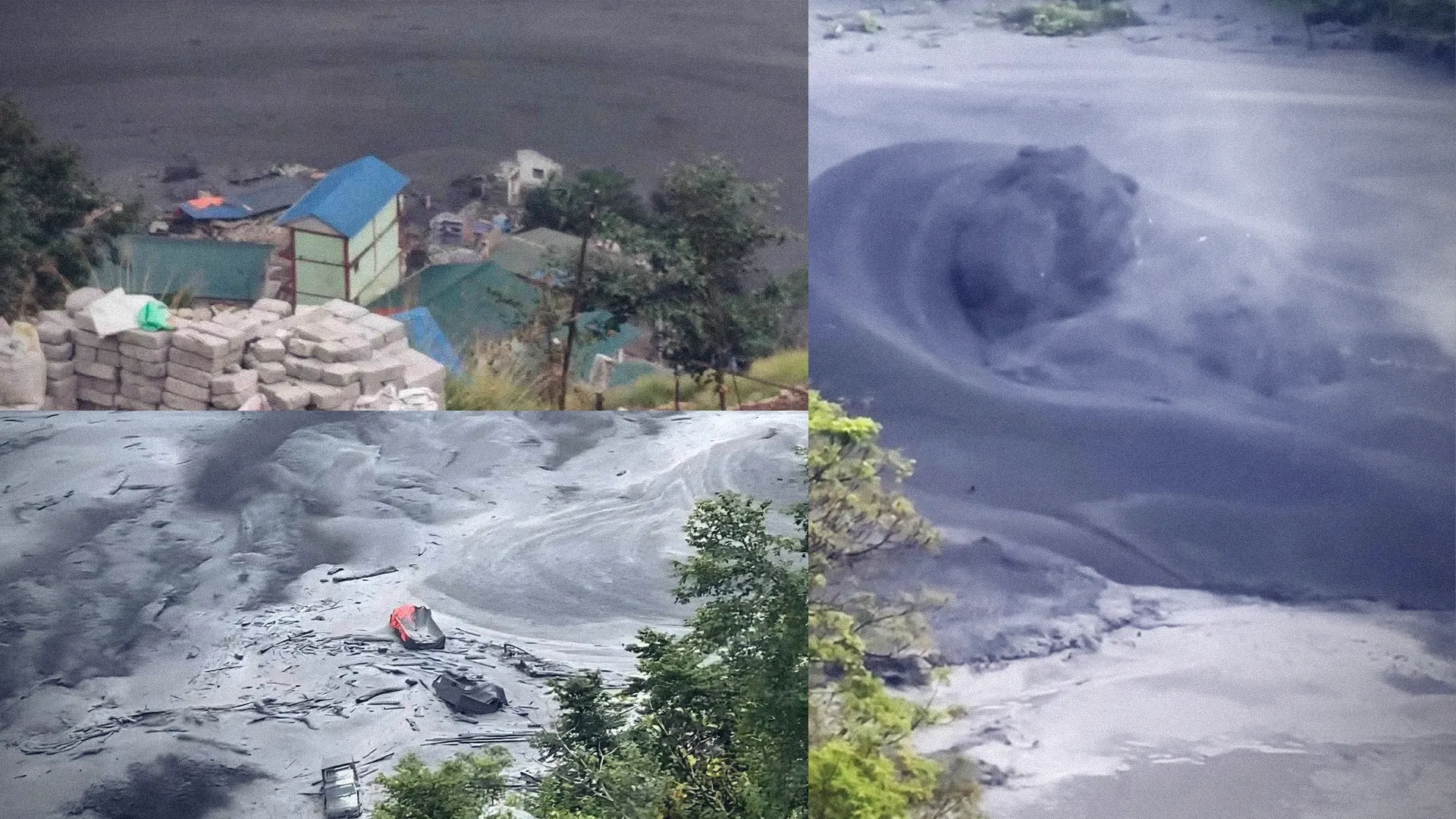



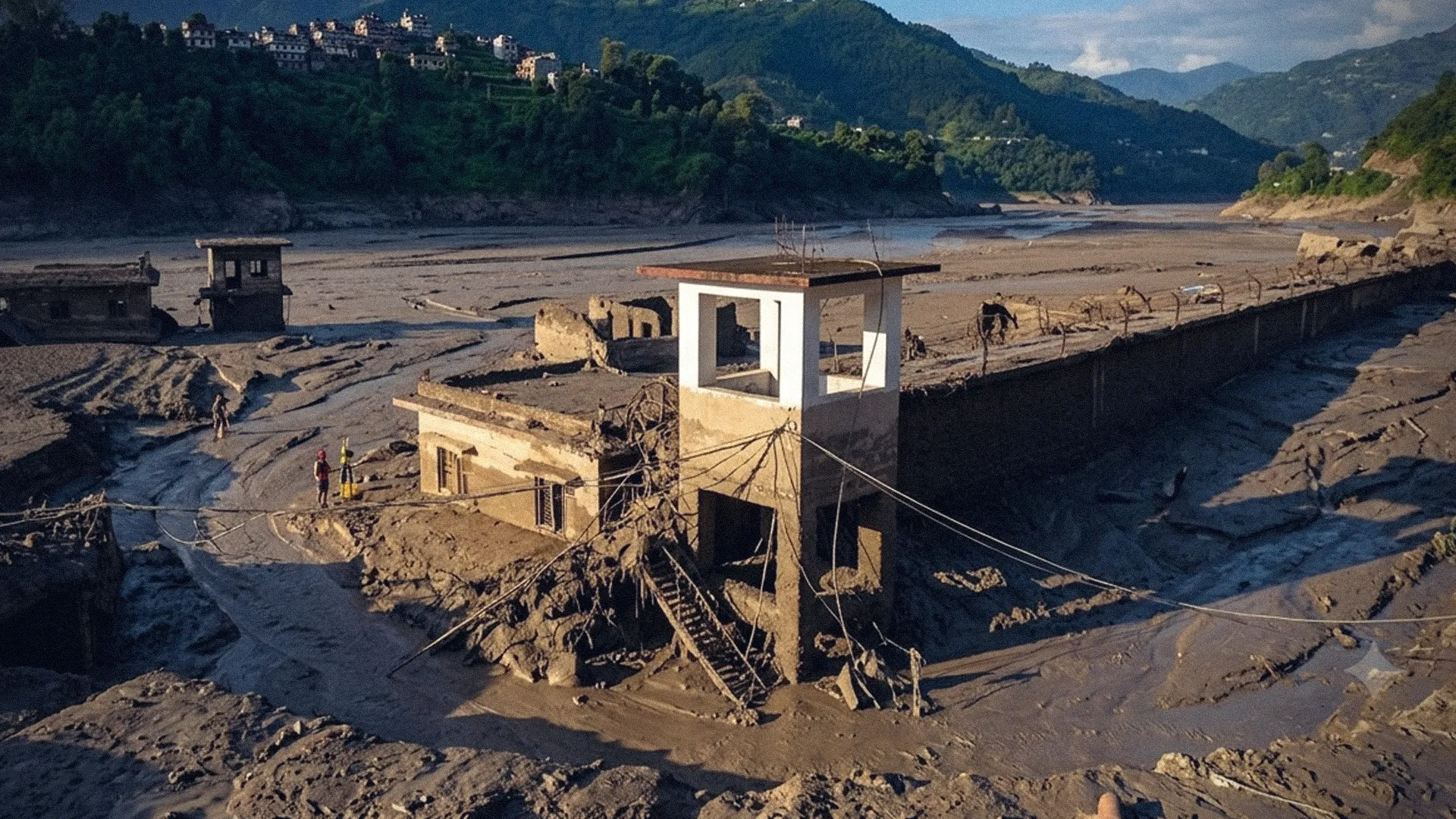
Raging floodwaters in the Bhote Koshi River have triggered a severe energy emergency across Nepal, knocking out roughly 10 percent of the nation's total electricity generation capacity and creating widespread grid instability.
According to preliminary operational assessments, 12 functional hydroelectric stations producing 431.1 megawatts of power have come to a complete standstill. High-velocity currents have also impacted 15 under-construction projects representing another 470 megawatts of upcoming capacity.
The surge destroyed critical transmission infrastructure, including the key Trishuli 220 kV 3B Hub substation, while snapping high-voltage lines across 132 kV, 66 kV, and 220 kV networks. The physical destruction has thrown the entire Rasuwa district into a complete blackout and left parts of Nuwakot, Dhading, and Gorkha with erratic power.

Interested in this ad?
Would you like to continue to the link or provide your information for more details?
Please provide your information
To continue, please fill in your details
Beyond infrastructure losses, the disaster has disrupted contact with over 196 personnel and laborers stationed at various hydropower sites and transmission corridors, prompting urgent search-and-rescue operations.
Energy, Water Resources, and Irrigation Minister Biraj Bhakta Shrestha stated that the Nepal Electricity Authority (NEA) has mobilized more than 15 vehicles alongside technical teams, local security personnel, and district authorities to locate missing staff, repair damaged assets, and reroute electricity supply.
While grid controllers have temporarily balanced energy loads, authorities warn that long-term recovery efforts will require extensive technical evaluations and reconstruction work to maintain national power stability in the coming days.