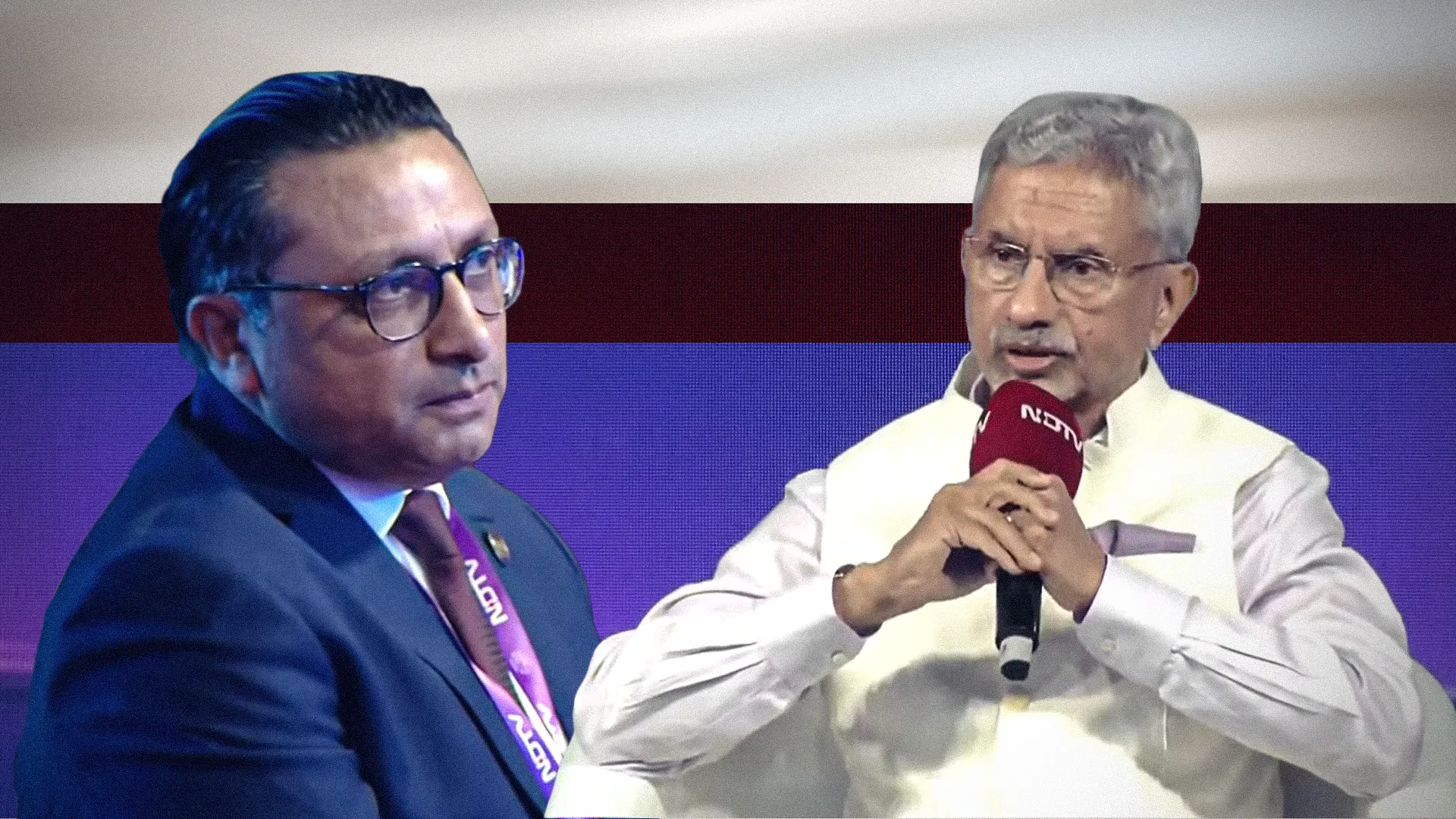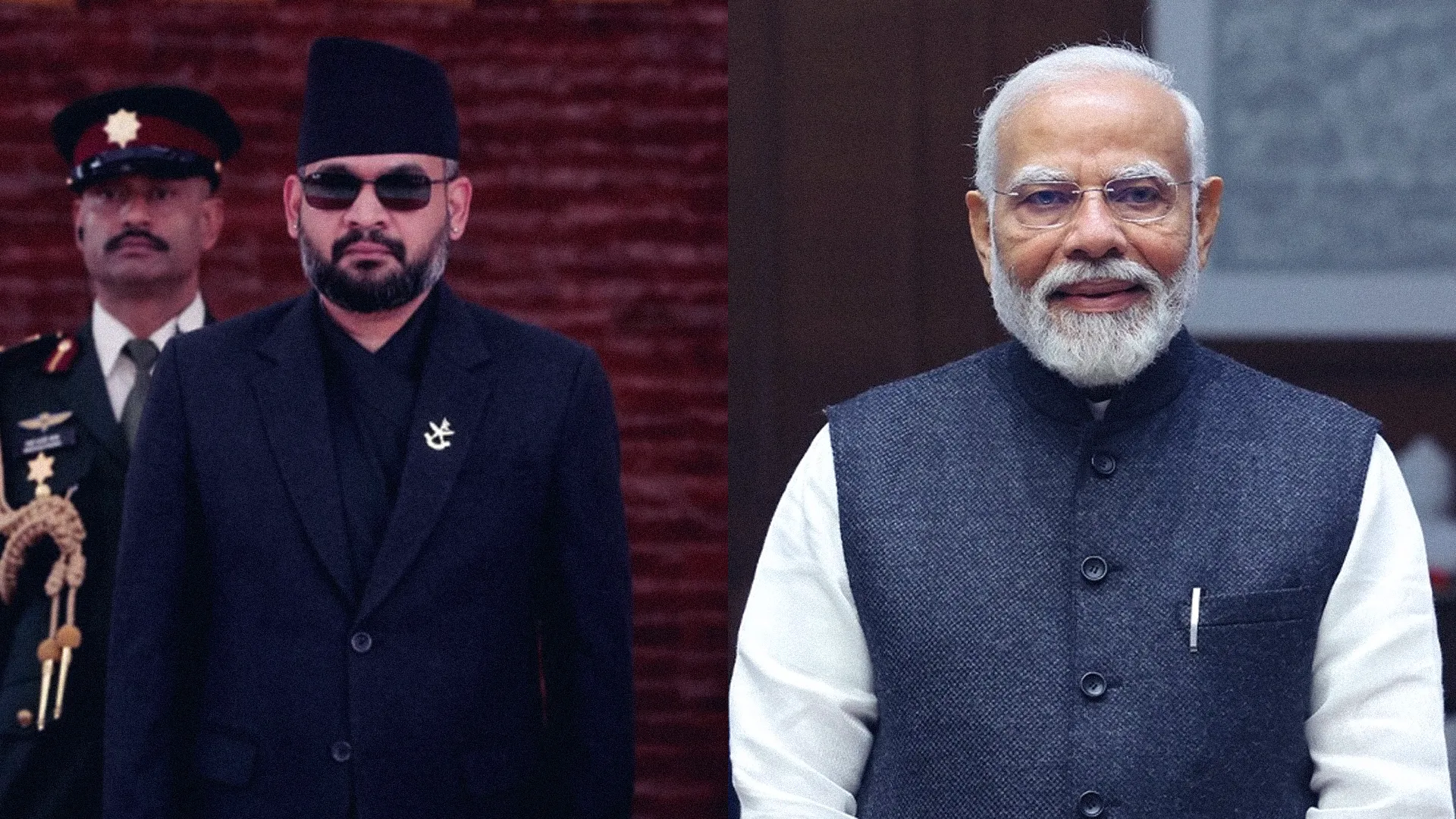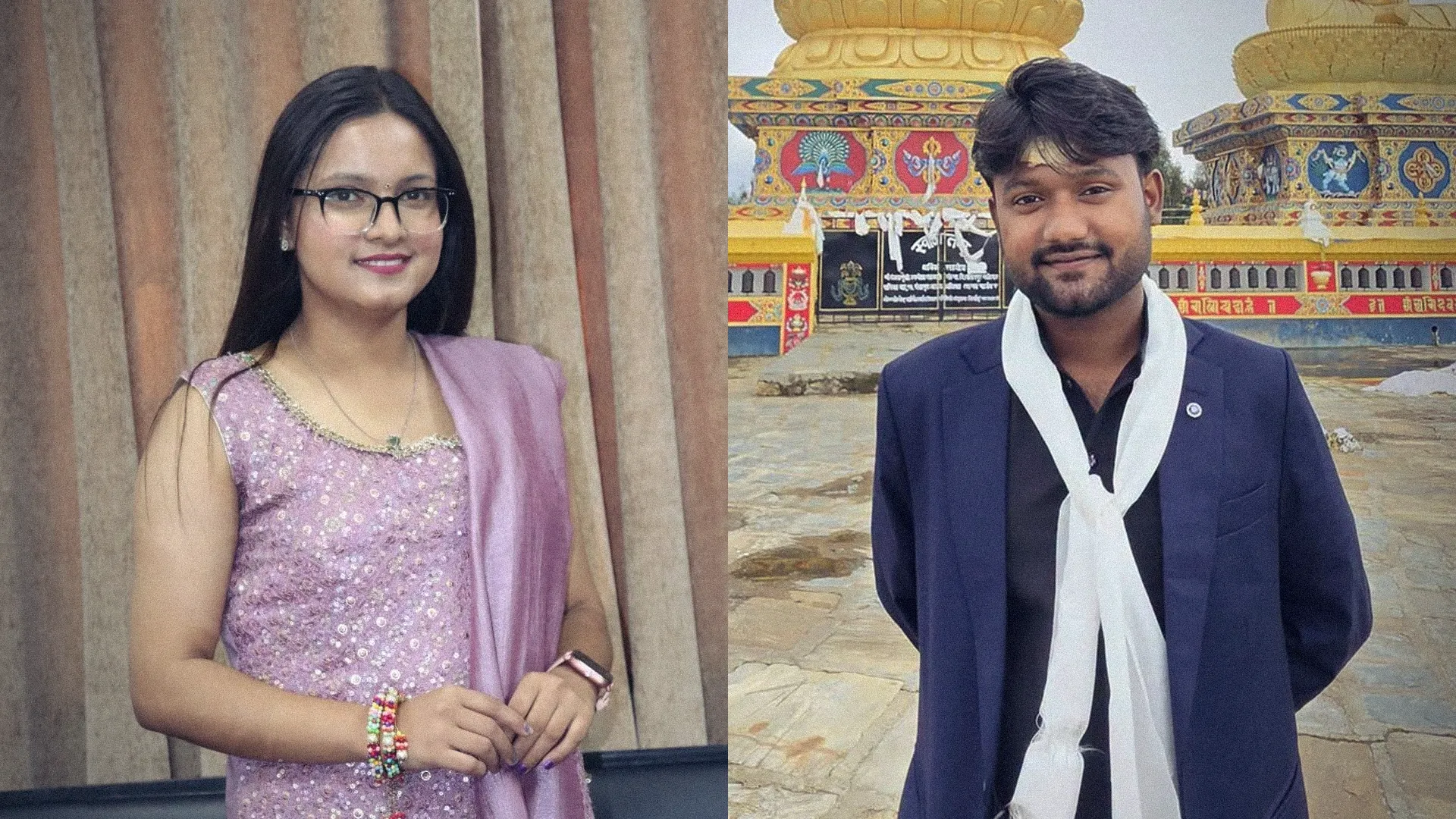



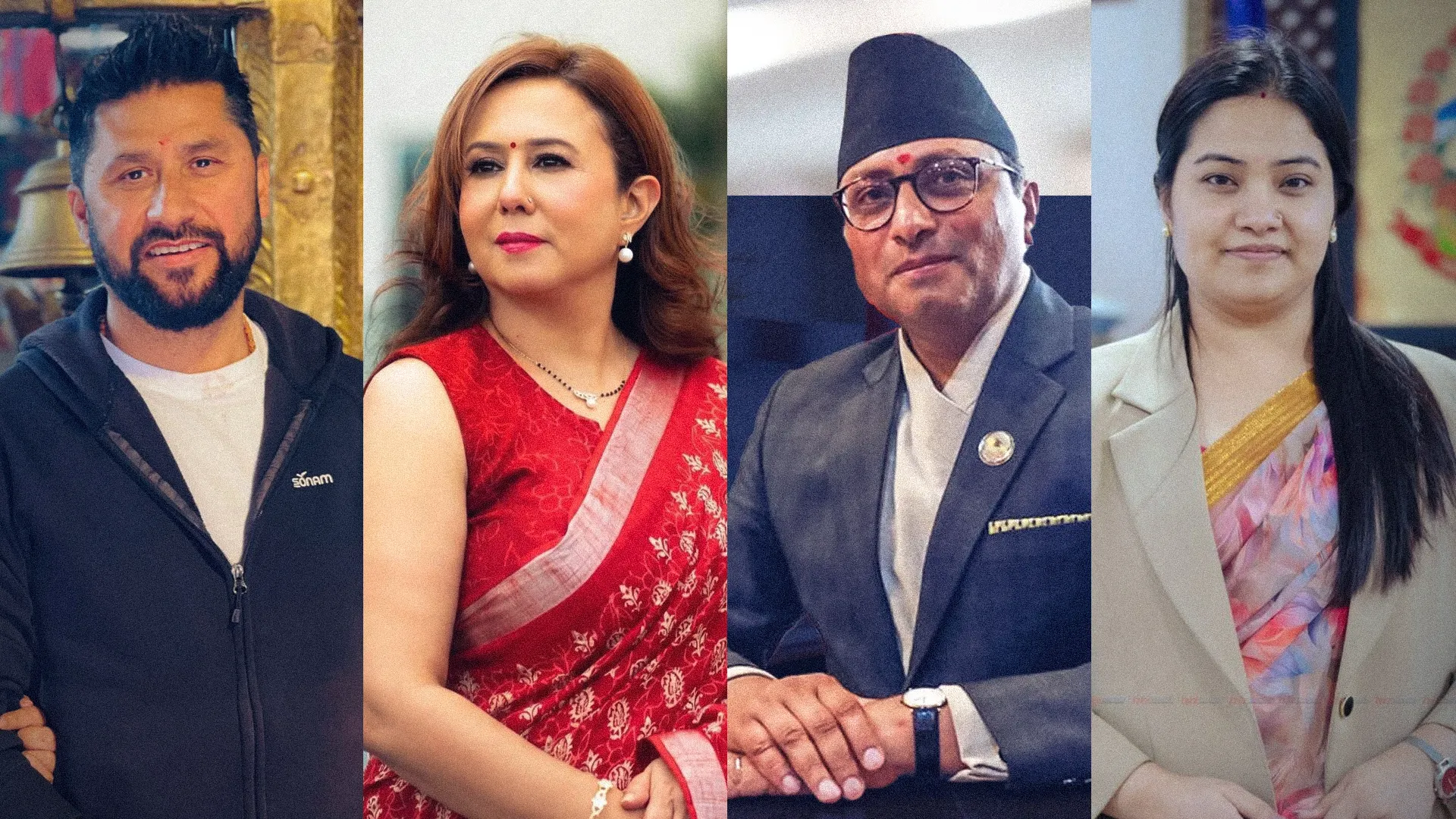
On October 23, 2026 (Kattik 7), sending ripples through Kathmandu's political circles, Rastriya Swatantra Party (RSP) Chairman Rabi Lamichhane, accompanied by his wife Nikita Poudel Lamichhane and Minister for Land Management and Cooperatives Pratiba Rawal, departed for India on a three-day visit. Meanwhile, at the same time, Finance Minister Dr. Swarnim Wagle is participating in the 'NDTV World Summit 2026' in New Delhi to discuss Nepal-India bilateral relations and economic partnership. On one hand, party Chairman Lamichhane and Minister Rawal embarked on a journey from Kainchi Dham in Uttarakhand in north-western India to Kamakhya Devi Temple in Assam in the north-east, while on the other hand, Finance Minister Wagle's presence on Delhi's diplomatic stage has triggered new political speculations from Kathmandu to Delhi.
The visiting leaders and their private secretariats have clarified that the trip is purely personal, family, and religious pilgrimage, insisting that no political meetings are scheduled or behind-the-scenes plots being hatched. However, in the eyes of diplomatic and political analysts, there are indications of a highly spiced political plot cooking beneath this visit. Combining various flavors and strategies—much like Delhi's fiery garam masala, the political tint of Kashmiri red chili, the pungent mustard taste of the North-East, and the aroma of cumin and coriander—a diplomatic dish appears to be preparing behind the curtains. Despite verbal claims that "nothing is brewing," this proximity to the Indian establishment and power centers clearly shows new embers heating beneath the hearth of Nepali politics.

Interested in this ad?
Would you like to continue to the link or provide your information for more details?
Please provide your information
To continue, please fill in your details
Meanwhile, Lamichhane’s trip to India has also raised numerous questions among the public and political circles. Some critics have begun commenting that he has sought refuge in Indian religious sites to wash away past mistakes and sins. Questions are being raised from all quarters: if the objective was purely religious faith, fulfilling vows, and washing away sins, why cross the border to visit temples while bypassing the country's own sacred and historical shrines like Muktinath, Pashupatinath, Barahakshetra, and Budhasubba? Visiting foreign pilgrimage sites while overshadowing domestic centers of faith is being analyzed by many as a strategic political card.
This high-level flurry comes at a sensitive time when major street protests against the government are reportedly being prepared immediately after the festive season in Nepal. The potential post-Chhath street demonstrations, speculations about political equations, and the recent surge of dissatisfied youth have put the ruling coalition on high alert. Considering the heat of upcoming protests, state intelligence agencies and security mechanisms have placed everyone under strict surveillance, from veteran politicians to newly emerging Gen Z youth leaders. The National Investigation Department, Nepal Police, and Armed Police Force have prepared personal biodata of leaders engaging in suspicious activities, creating a scenario where anyone could be taken into custody at any moment if tensions escalate. Amid such domestic political heat and tight monitoring, it remains to be seen what flavor this high-level presence and power balance game in India will add to Nepali politics in the days ahead.