


Nepal’s return to the ballot box on Falgun 21 marks more than just another parliamentary election. It represents the culmination of an extraordinary political maneuver that sought to stabilize the country after a wave of youth-led protests plunged the state into uncertainty.
The political upheaval began when demonstrations led by Gen-Z activists erupted on Bhadra 23 and 24, challenging what protesters described as corruption, governance failures, and power struggles among established parties. The unrest ultimately forced then–Prime Minister KP Sharma Oli to step down, triggering a chain of events that left the country facing an unprecedented governance vacuum.
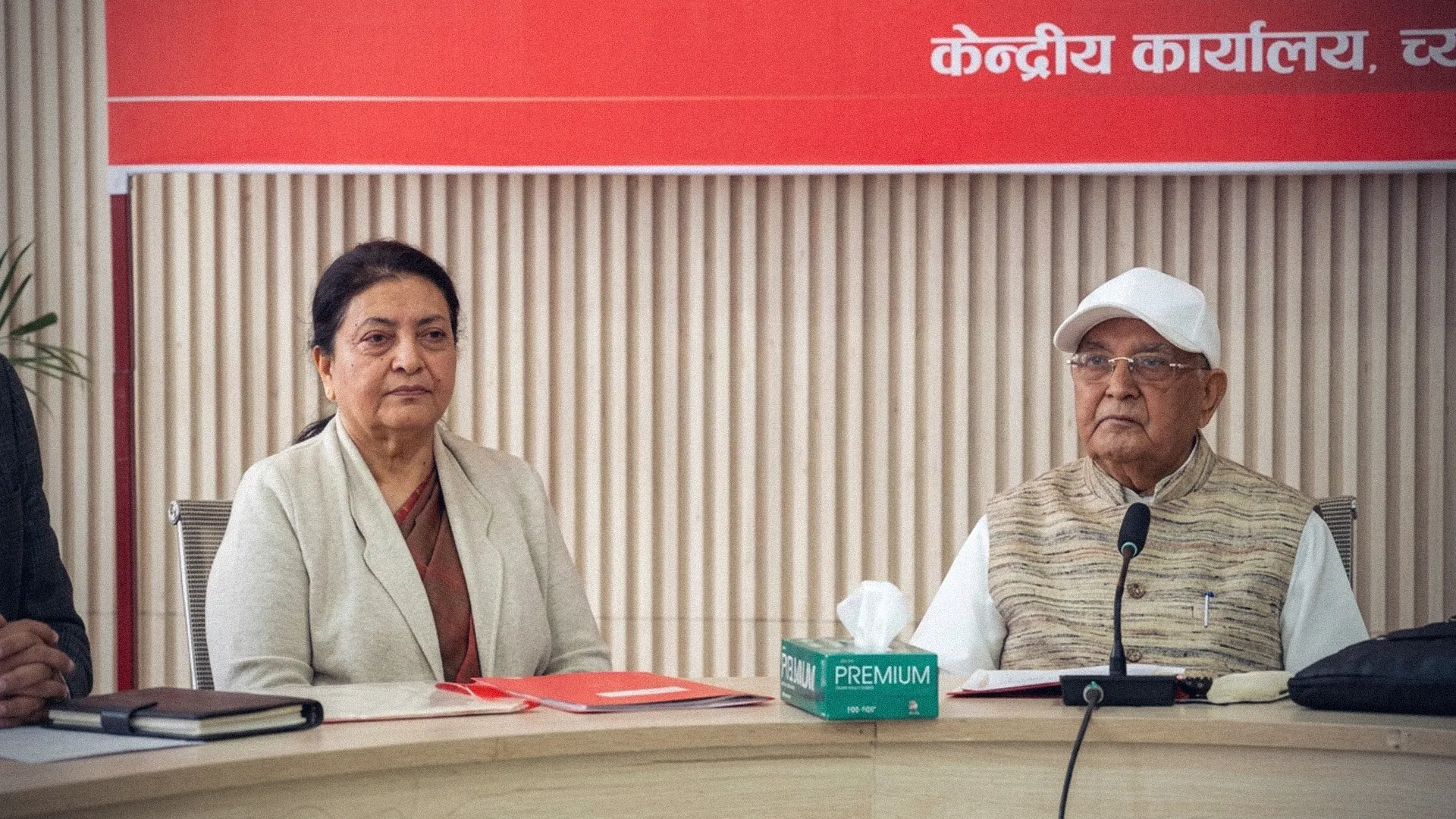
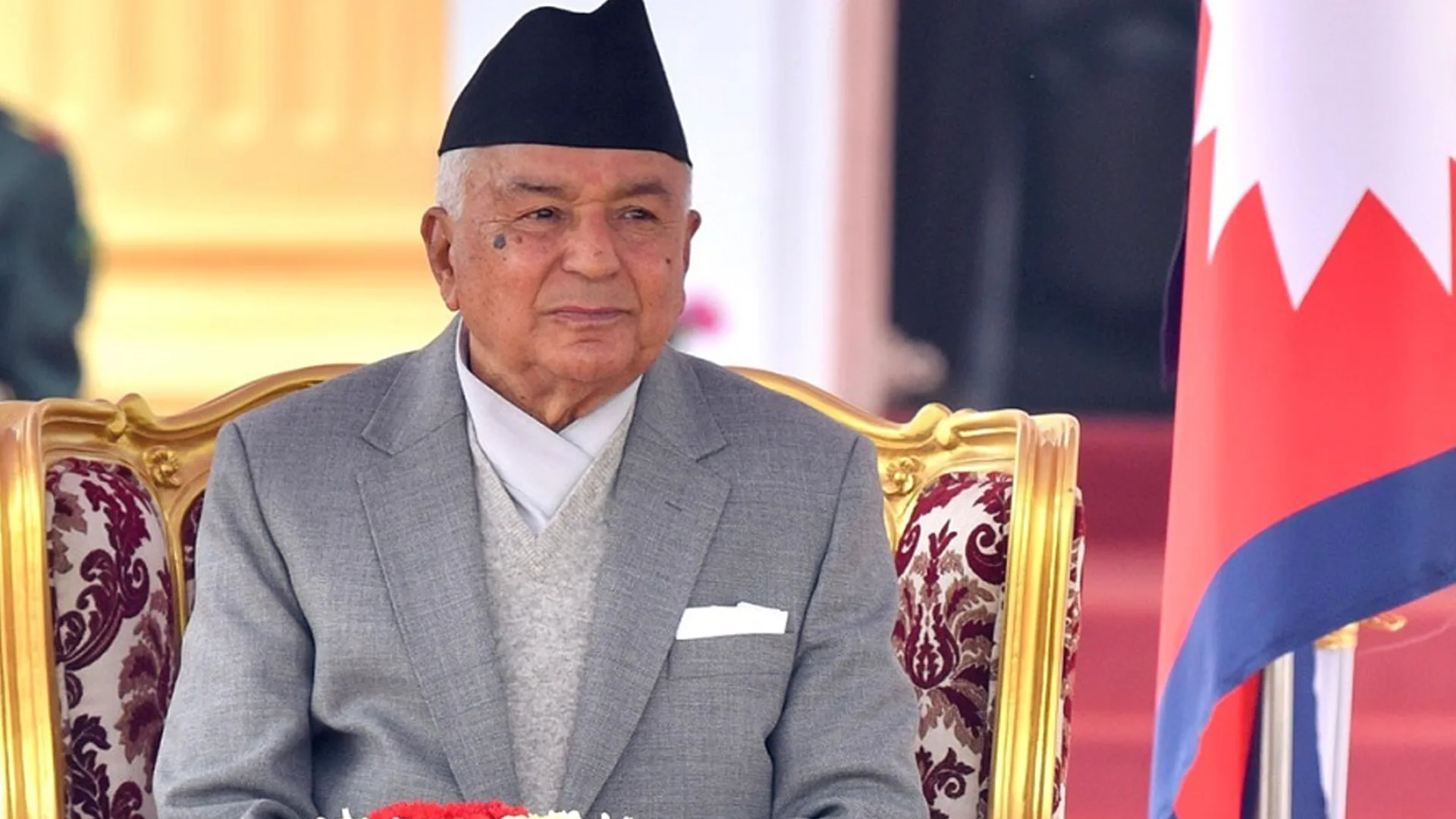
With political parties unable to negotiate a solution and parliament failing to produce a new government, attention shifted to President Ramchandra Paudel. Though Nepal’s constitution defines the presidency largely as a ceremonial office, the extraordinary circumstances required a more active role from the head of state.
Seeking to prevent deeper instability, Paudel initiated consultations with constitutional experts and relied on Article 61(4) of the constitution, which obliges the president to safeguard the constitutional system. Acting on the recommendation of the caretaker government, he appointed former Chief Justice Sushila Karki to head an interim administration.
The interim cabinet’s first major step was to recommend the dissolution of the House of Representatives and call elections for Falgun 21. The president approved the proposal, effectively resetting the country’s political process.
This decision was controversial because Nepal’s 2015 constitution does not clearly outline procedures for appointing a prime minister from outside parliament. Yet with political parties losing legitimacy among protesters and parliamentary solutions appearing impossible, many saw the move as an attempt to preserve the constitutional order rather than undermine it.
Political observers say Paudel chose a cautious path by acting through the caretaker prime minister’s recommendation instead of making a direct appointment. This approach, they argue, helped maintain a semblance of constitutional procedure during a volatile period.

Interested in this ad?
Would you like to continue to the link or provide your information for more details?
Please provide your information
To continue, please fill in your details
Former minister and civic leader Vidhyadhar Mallik said the president prioritized democratic continuity from the outset. According to him, the decision to hold elections became the central strategy for restoring political stability and public trust.
Even after the interim government was formed, tensions between political parties and the administration persisted. Paudel facilitated dialogue by hosting meetings at the presidential residence with party leaders, the interim prime minister, and representatives of the protest movement. He also consulted the Election Commission and senior political figures to ensure the electoral roadmap remained on track.
These efforts, typically expected from the executive branch, were instead coordinated by the president due to the fractured political environment. Supporters say this mediation played a crucial role in preventing further escalation.
Critics at the time argued that the president’s actions stretched constitutional boundaries and weakened democratic procedures. Supporters countered that the move reflected a pragmatic response to an unprecedented crisis.
The elections held today are widely viewed as the final step in restoring Nepal’s constitutional order after months of turmoil. By channeling the demands of the protest movement into an electoral process, the country has regained a path toward institutional stability.
Whether the political forces emerging from this vote can translate the renewed mandate into effective governance now remains the defining question for Nepal’s democratic future.