


Pokhara Metropolitan City has moved toward stabilizing its waste management system after recent disruptions, with officials outlining both immediate fixes and a long-term transformation plan.
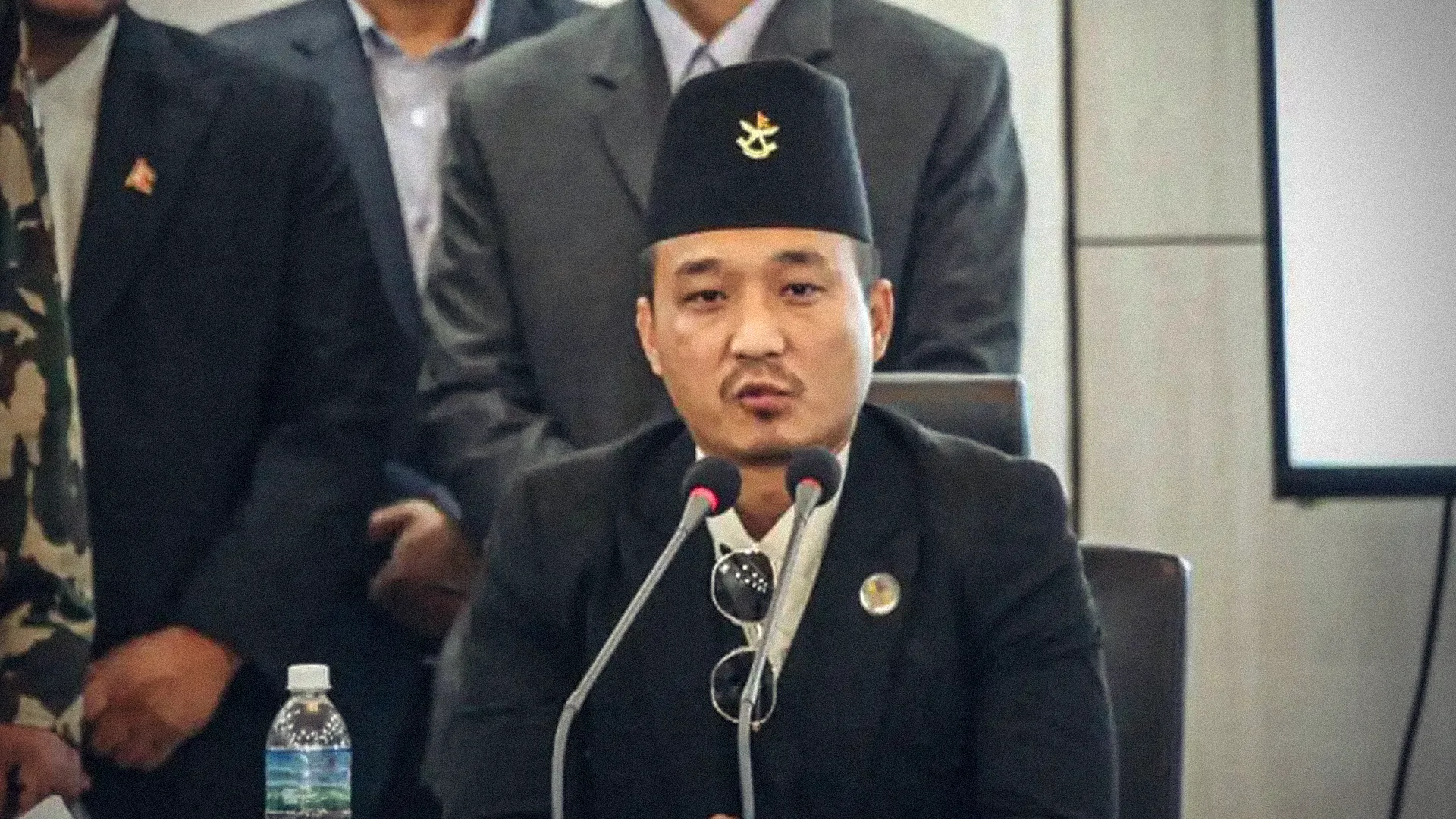
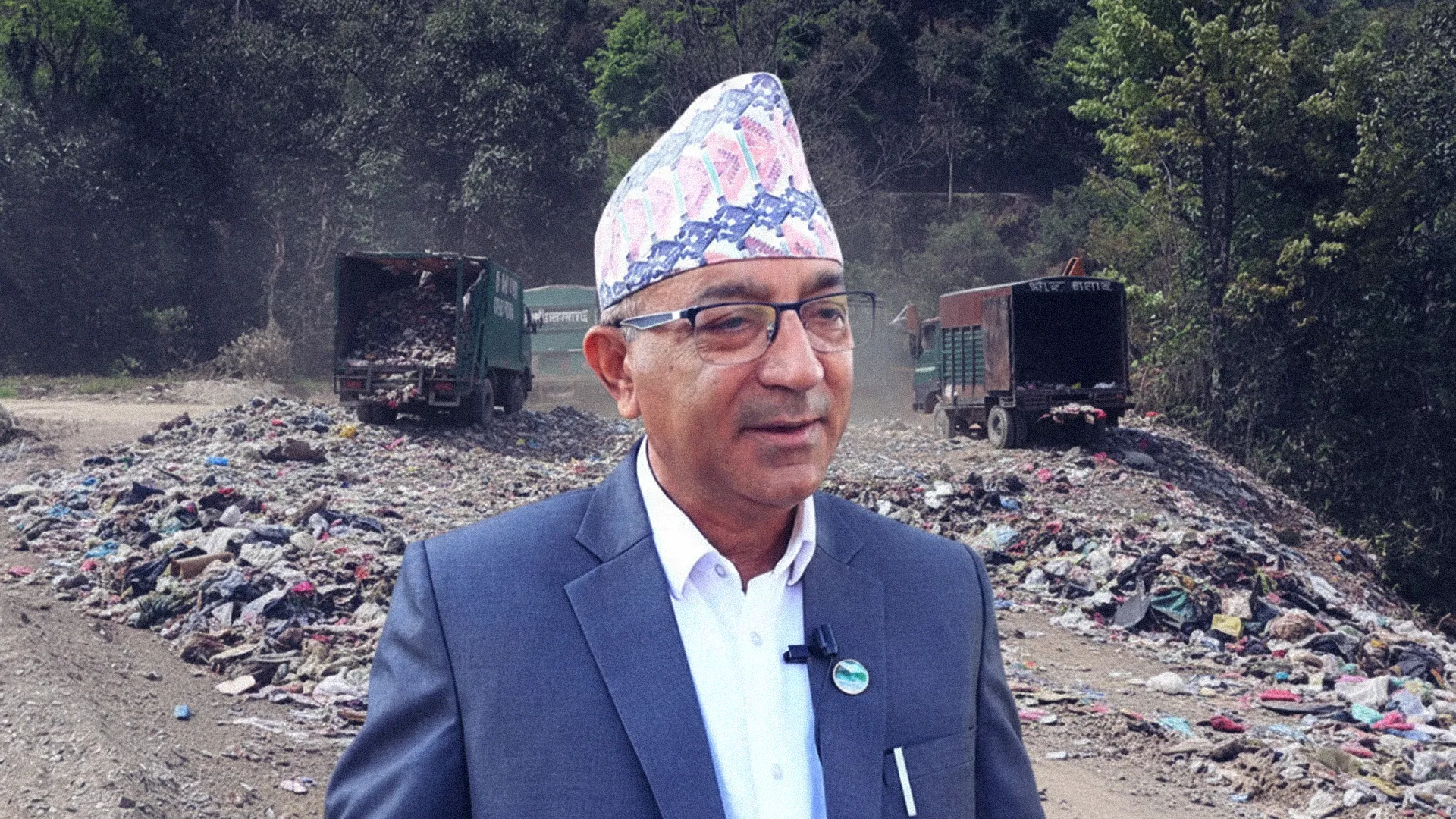
Mayor Dhanraj Acharya said waste collection has resumed following the setup of a new temporary disposal site, after earlier facilities filled faster than expected due to protest-related debris and operational constraints. The situation had drawn criticism as garbage remained uncollected for an extended period.
According to the mayor, the pressure intensified when large volumes of damaged materials from unrest added to the city’s waste, overwhelming the existing disposal capacity earlier than projected.
To address structural gaps, the city has initiated a long-term “waste-to-resource” model. With Pokhara producing around 225 tons of waste daily, officials estimate it could generate energy equivalent to 7.5 megawatts. The project includes plans to produce gas, compost, and construction materials using European technology, with a contract already awarded to a non-resident Nepali team.

Interested in this ad?
Would you like to continue to the link or provide your information for more details?
Please provide your information
To continue, please fill in your details
Authorities expect machinery installation within six to eight months and aim to bring the facility into operation within a year, positioning it as a model waste processing center.
The shift became necessary after the closure of the earlier landfill site due to risks posed to flights following the operation of the international airport. Temporary management has since been handled at an alternative site.
Mayor Acharya has also urged residents and stakeholders to avoid politicizing waste issues, emphasizing that maintaining urban cleanliness requires collective responsibility and sustained coordination.