


Pakistan faces an escalating crisis as its youth, the largest demographic population in the nation's history, confront unrelenting economic despair and institutional betrayal. Recent fuel price surges and fixed utility charges have ignited widespread fury, amplifying long-simmering grievances among young people who see no path to dignity or stability. This brewing discontent signals profound challenges ahead for the establishment, as a tech-savvy, disillusioned generation prepares to dismantle the status quo. Economic hardship strikes hardest at Pakistan's youth, who comprise over 60 percent of the population under 30. Official unemployment figures are not optimistic.
Youth joblessness is around 10 percent, but experts say that the true rate is closer to 22 percent when factoring in underemployment and informal sector traps. Every year, 2.2 million young entrants flood a labor market growing at a sluggish 2.5-3.5 percent, absorbing only half while the rest languish in low-productivity gigs or outright idleness. Recent petrol and diesel hikes, jumping Rs 55 per liter amid Middle East tensions have unleashed inflation spiking food, transport, and daily essentials by up to 30 percent. Fixed charges on electricity and gas bills, now hitting even protected low-usage households up to Rs 350 monthly. Graduates emerge from rote-learning systems into a nepotism-riddled job market, watching the establishment's jets cost around Rs 90 million vehicles funded by public coffers.
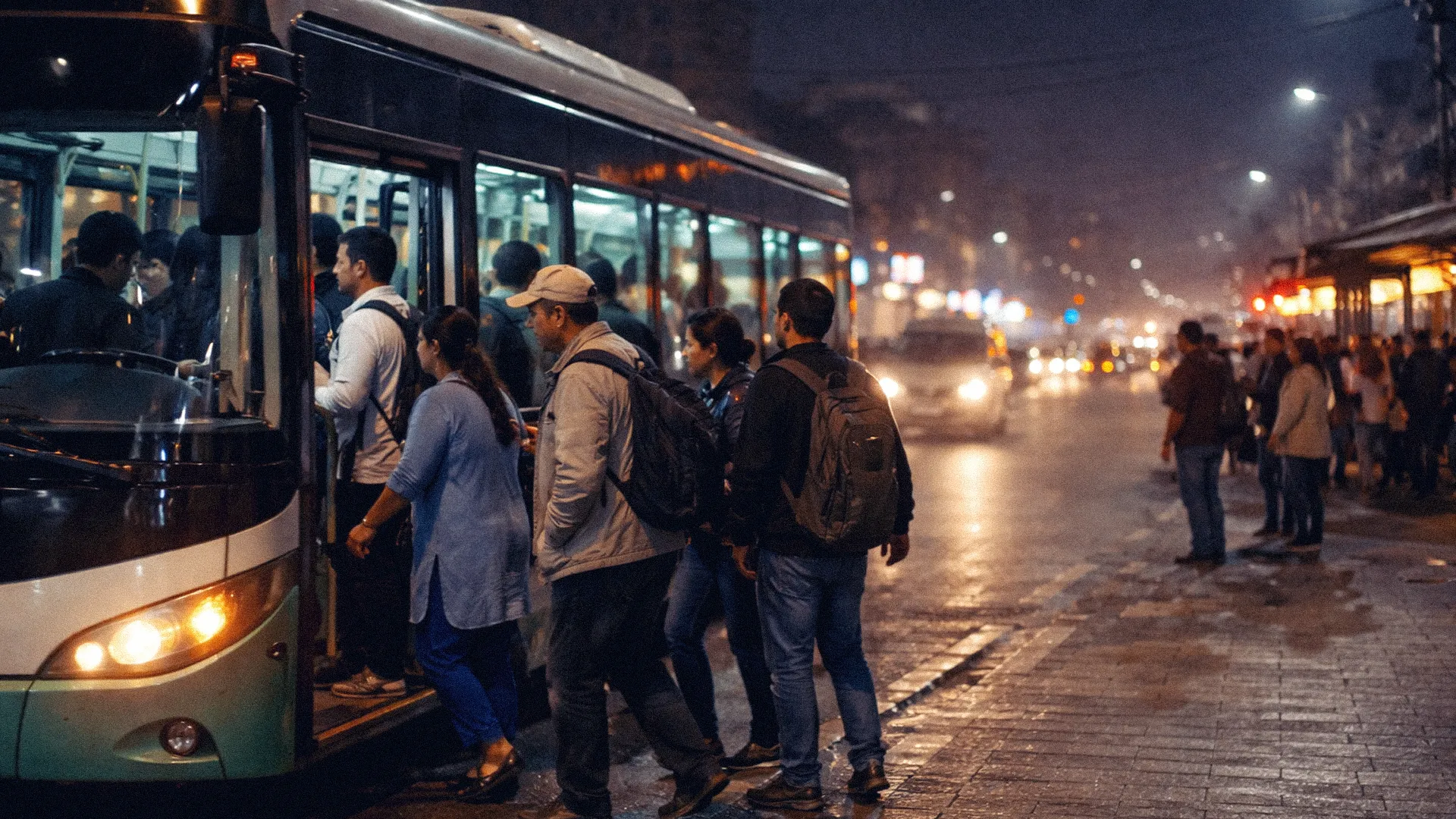
Young people bear the brunt of this failing system. Graduates flood the job market only to find stagnation, layoffs, and wages that barely cover inflated basics like sugar, oil, and vegetables. Industrial slowdowns offer no relief, and social safety nets remain threadbare. Middle-class families, once the economy's backbone, now struggle for survival, reliant on charity even during religious months. Meanwhile, elites flaunt luxury jets, lavish weddings, and multimillion-rupee vehicles bought with public funds, exposing a glaring divide that breeds resentment.

Interested in this ad?
Would you like to continue to the link or provide your information for more details?
Please provide your information
To continue, please fill in your details
This discontent simmers across social media and streets. Citizens protest against profiteering oil companies, unchecked transporters hiking fares, and hoarding merchants. Opposition voices in Pakistan from within the establishment itself resent the hikes as heartless bombs on the poor, predicting uncontrollable price spirals. Protests erupt in assemblies, with parties like Jamaat-e-Islami calling nationwide action and PTI labeling the moves economic terrorism. The diaspora echoes these cries, dredging up old slogans against rulers who once decried similar policies. The government pledges to cut salaries in state firms but ignore elite perks like free fuel quotas or princely purchases. School closures amid the crisis sideline education, the one ladder out of poverty for rural youth dependent on vans now crippled by fuel costs. Online learning fails them without reliable internet, perpetuating a cycle where 25 million children stay out of school and learning outcomes plummet. Brain drain is all time high, with thousands of doctors fleeing low pay and poor conditions, leaving the country intellectually hollow.
Pakistan's youth see through the facade. Gen Z demands transparency, like full asset disclosures from lawmakers, yet nearly 40 percent dodge this, hiding wealth from voters. They reject dynastic politics that privatizes profits and socializes losses, craving clean governance and people-centered policies. Hopelessness festers into mental health crises and disillusionment, as equal opportunities vanish in a jobless growth economy growing at a pitiful pace. History warns of what's coming. Bangladesh's 2024 student-led uprising toppled a long-ruling prime minister, driven by similar economic rage and quota frustrations. Pakistan's youth, tech-savvy and connected, mirror this potential. They have powered past movements, from independence to nuclear status but now trapped in violence, drugs, and despair amid unemployment and inequality. Systemic failures in agriculture, environment, and industry deny them roles, pushing many toward emigration or extremism.
In the years ahead, these pressures will intensify. Global shocks like prolonged Middle East wars will spike oil prices further, hammering remittances and exports. Without industrial revolution or agricultural overhaul, youth unemployment will explode, alienating millions. Social media amplifies their voice, turning viral videos of elite excess into rallying cries. Political parties, once protest leaders, now coalition partners, lose credibility, creating space for youth-driven alternatives. The establishment ignores this at its peril. Youth bulge could become a dividend with jobs, skills training, and inclusive growth but current paths breed instability. Gen Z rejects rote education for AI-era critical thinking, demands anti-corruption reforms, and eyes upward mobility blocked by parasitic elites. Protests will evolve from fuel rallies to broader revolts against poverty networks undermining health, shelter, and rights.