


The terrifying convergence of debt-based slavery and the black-market organ trade has surfaced in Pakistan, exposing a profound failure in human rights protections and legal enforcement. Recent international analyses indicate that organized criminal syndicates are systematically hunting individuals trapped in cycles of poverty, leveraging their financial desperation to facilitate illicit organ harvesting.
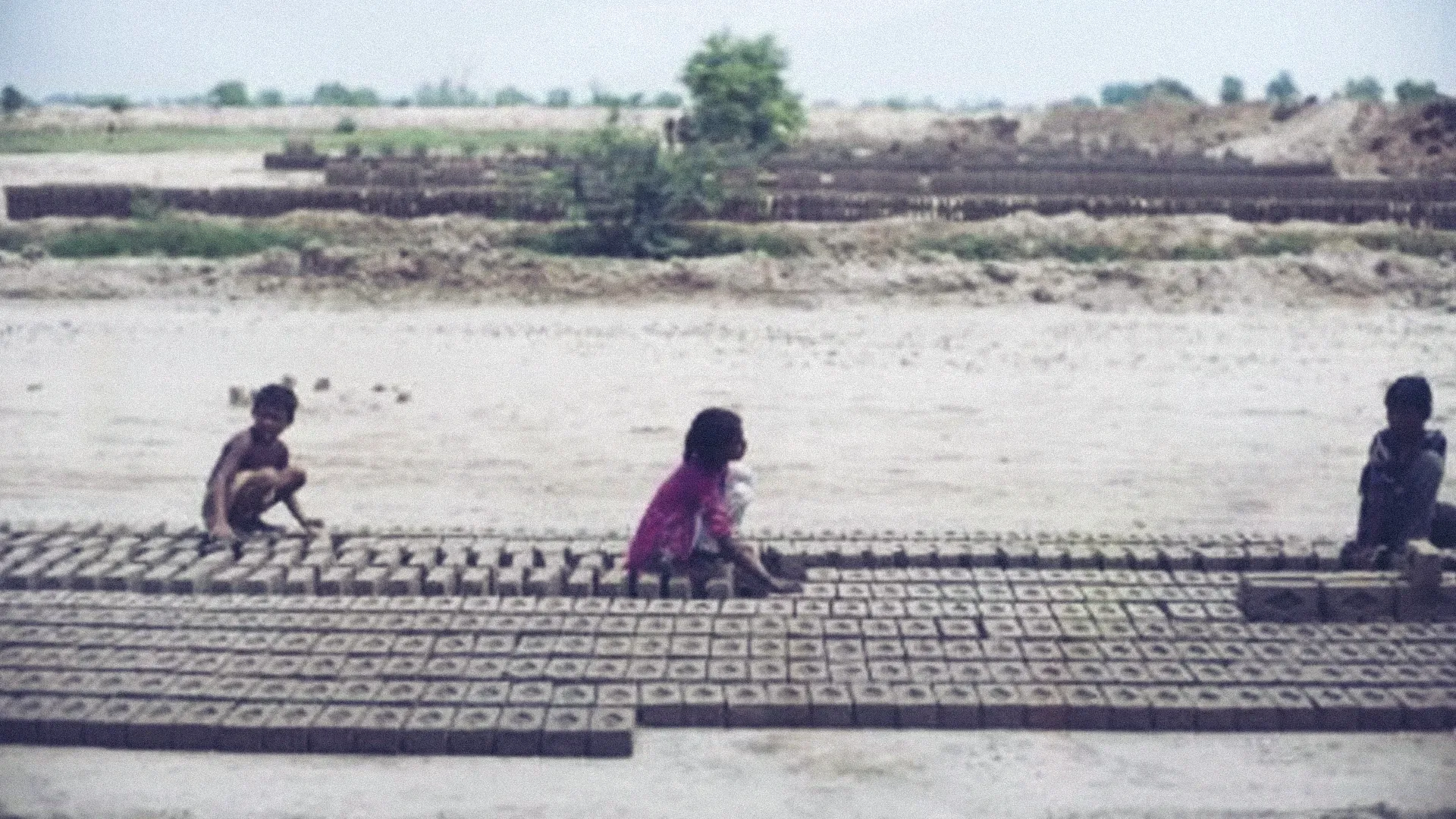
In the rural heartlands, marginalized communities frequently fall into predatory debt traps, resulting in forced labor. This state of total economic and social subjugation leaves victims powerless against exploitation. Criminal networks capitalized on this vulnerability, transforming bonded laborers into a source for human organs destined for the international underground market.
Research suggests this is not a series of isolated crimes but a highly organized infrastructure. There are growing concerns regarding a chain of involvement that stretches from local intermediaries to certain medical facilities. Reports have emerged of victims being coerced or deceived into surgical procedures, often receiving negligible post-operative care, leaving them with permanent physical damage.

Interested in this ad?
Would you like to continue to the link or provide your information for more details?
Please provide your information
To continue, please fill in your details
Advocates for human rights have classified this phenomenon as a lethal blend of biological exploitation and modern-day slavery. Despite existing legal frameworks in Pakistan, critics argue that systemic corruption within administrative and law enforcement branches, coupled with political shielding, has allowed these enterprises to operate with near-impunity.
The scandal also threatens the core integrity of the national healthcare system. The potential complicity of medical professionals in these activities risks a total collapse of public trust in health institutions. Global observers are now intensifying pressure on Islamabad to initiate transparent probes and implement rigorous regulatory reforms to dismantle these trafficking rings.
As this nexus between labor abuse and organ theft continues to tarnish Pakistan’s international standing, analysts warn of a lasting scar on the nation's social fabric. Resolving this crisis will require more than just legislative updates; it demands a radical shift toward victim protection, uncompromising prosecution of offenders, and robust international cooperation.