


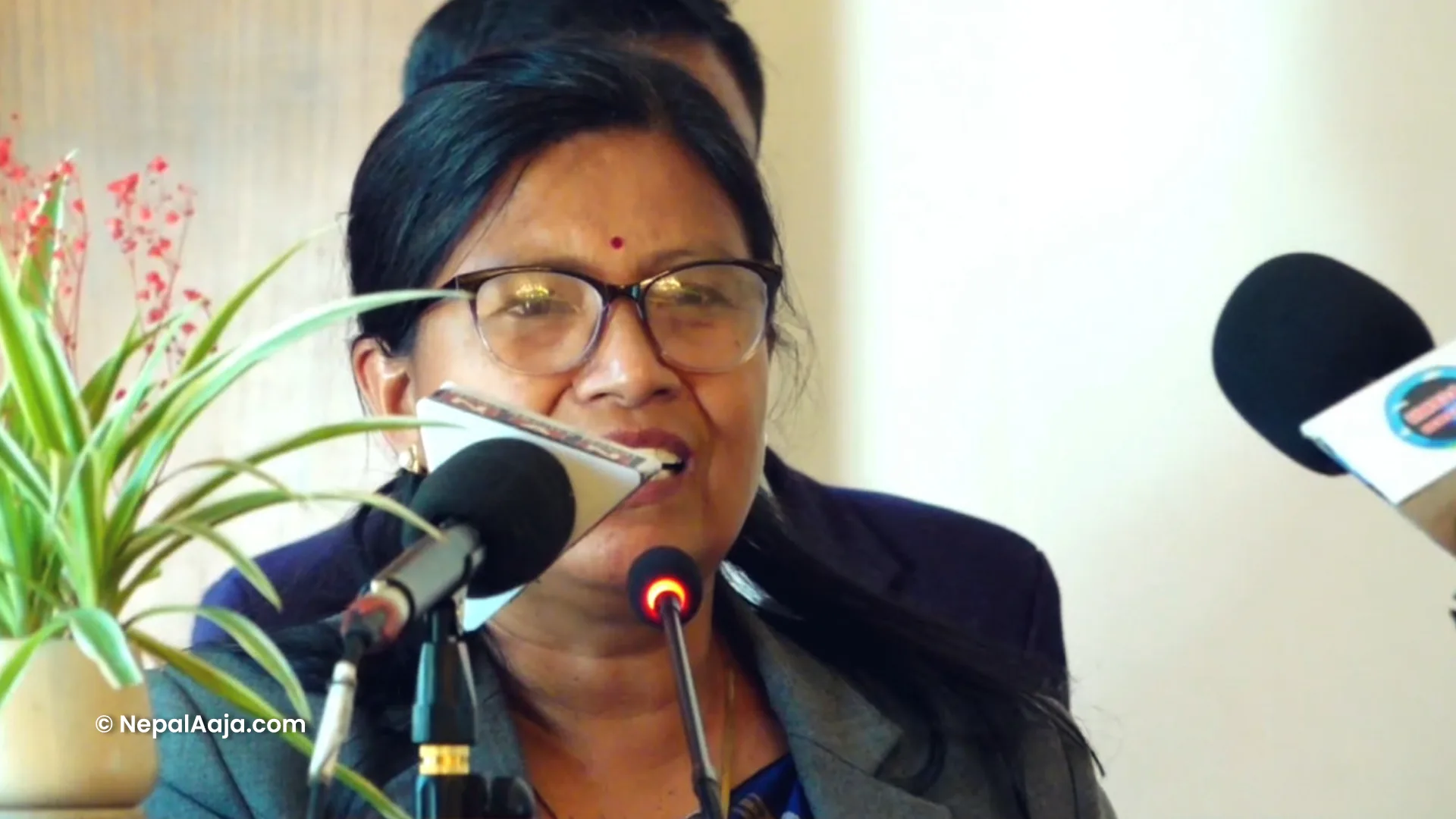
The Ministry of Water Supply has announced a strategic shift in its operational framework, prioritizing the development of water projects that are specifically designed to be women-friendly. Speaking at an event in Lalitpur to mark World Water Day, Ministry Spokesperson Meena Shrestha revealed that the government is moving away from top-down project selection in favor of a needs-based approach. This transition aims to address historical imbalances where significant investments often failed to guarantee equal water rights for women.
To institutionalize this change, the ministry has launched a comprehensive National Water, Sanitation, and Hygiene (WASH) Management System. This digital infrastructure is designed to collect and analyze data from all 753 local levels, ensuring that gender equality and social inclusion (GESI) metrics are at the heart of every plan. According to Shrestha, nearly 600 local levels have already integrated into the system, with approximately 300 having commenced their formal WASH plans. The data gathered will specifically highlight whether women and persons with disabilities are receiving adequate services.

Interested in this ad?
Would you like to continue to the link or provide your information for more details?
Please provide your information
To continue, please fill in your details
The ministry’s new directive also extends to public infrastructure, mandating that all new public toilets must be gender-sensitive. Under the current federal structure, project implementation is being coordinated across three tiers of government: large-scale projects are handled by the federal level, mid-sized ones by the provinces, and smaller initiatives by local governments. This collaborative model, supported by various donor partners, is intended to streamline investments and prevent the implementation of arbitrary projects that do not serve the community's actual needs.
By fostering close cooperation between federal, provincial, and local authorities, the Ministry of Water Supply intends to ensure that the fundamental right to clean water is exercised equitably. The focus now rests on the successful completion of WASH plans at the local level to create a transparent, data-driven roadmap for future water security.