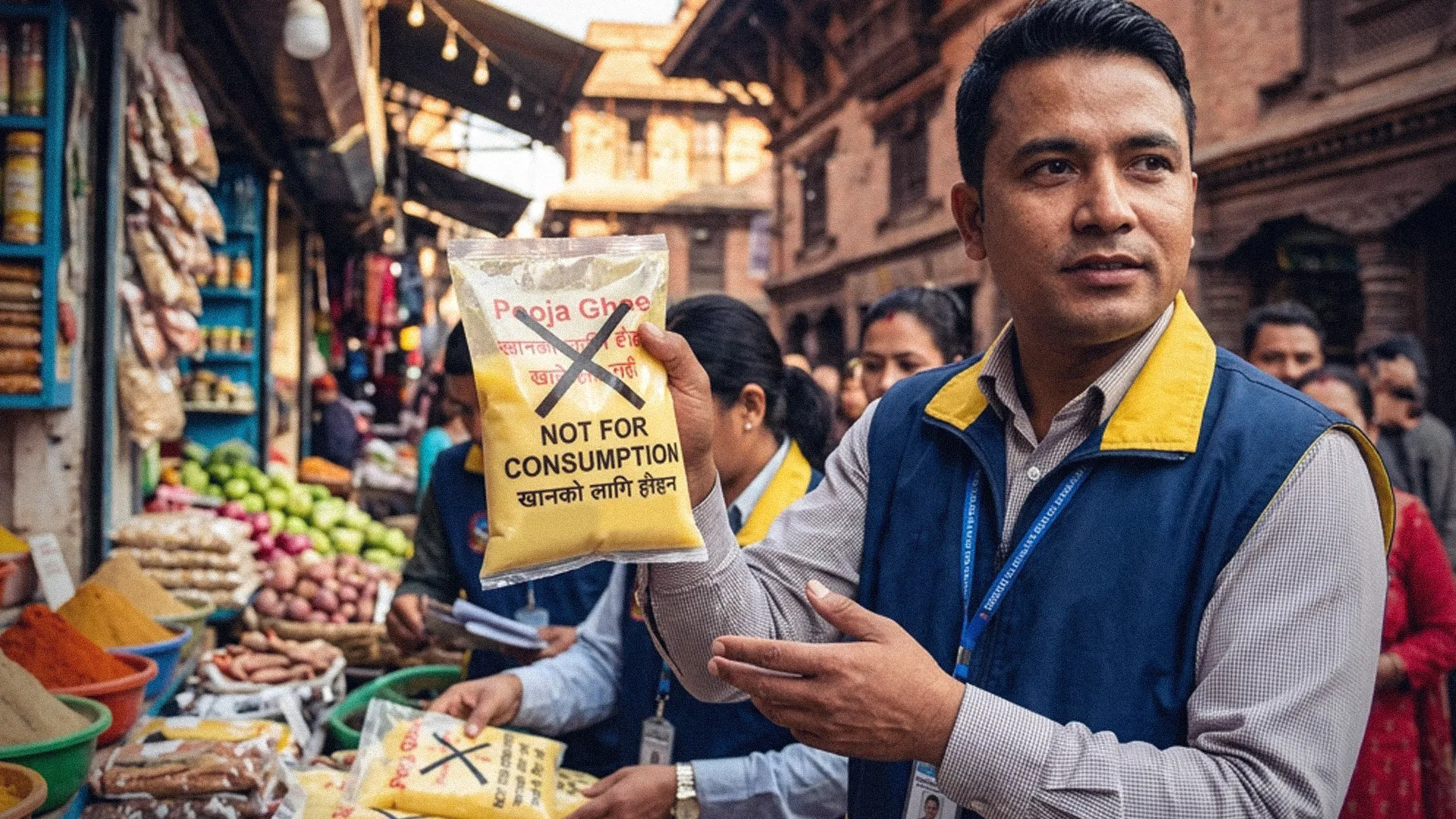




Nepal has initiated a significant regulatory shift by ordering private educational institutions to overhaul their financial practices, marking a decisive move against long-standing regional norms. The Ministry of Education has issued a stern mandate requiring schools to cease redundant fee collection, refund unauthorized charges, and adopt a fully transparent pricing model. This intervention directly addresses widespread public frustration over the escalating costs of private schooling.
Under the new guidelines, the upcoming academic session starting April 28 will see strict enforcement of 14 approved fee categories. Schools are now prohibited from charging admission fees more than once for the same student or enrolling pupils before the official start date. Failure to comply carries heavy consequences, with first-time offenders facing fines of 25,000 rupees and persistent violators risking the permanent revocation of their operating licenses.

Interested in this ad?
Would you like to continue to the link or provide your information for more details?
Please provide your information
To continue, please fill in your details
This policy shift is widely viewed as a reflection of the political climate under Prime Minister Balendra Shah’s administration. Following a wave of public demand for systemic change, the government, including 30-year-old Education Minister Sasmit Pokharel, is prioritizing accessibility. Analysts suggest this move serves as a statement of political intent aimed at curbing perceived profiteering within a sector that has historically operated with minimal oversight.
However, industry experts warn that price controls alone may not bridge the gap in quality education. While some advocate for mandatory scholarships and higher taxes on institutional income, others fear that rigid state control could inadvertently stifle innovation. The move has reignited a broader South Asian debate on whether education should be treated as a commercial product or a fundamental social right, especially as public school systems continue to struggle with underfunding.