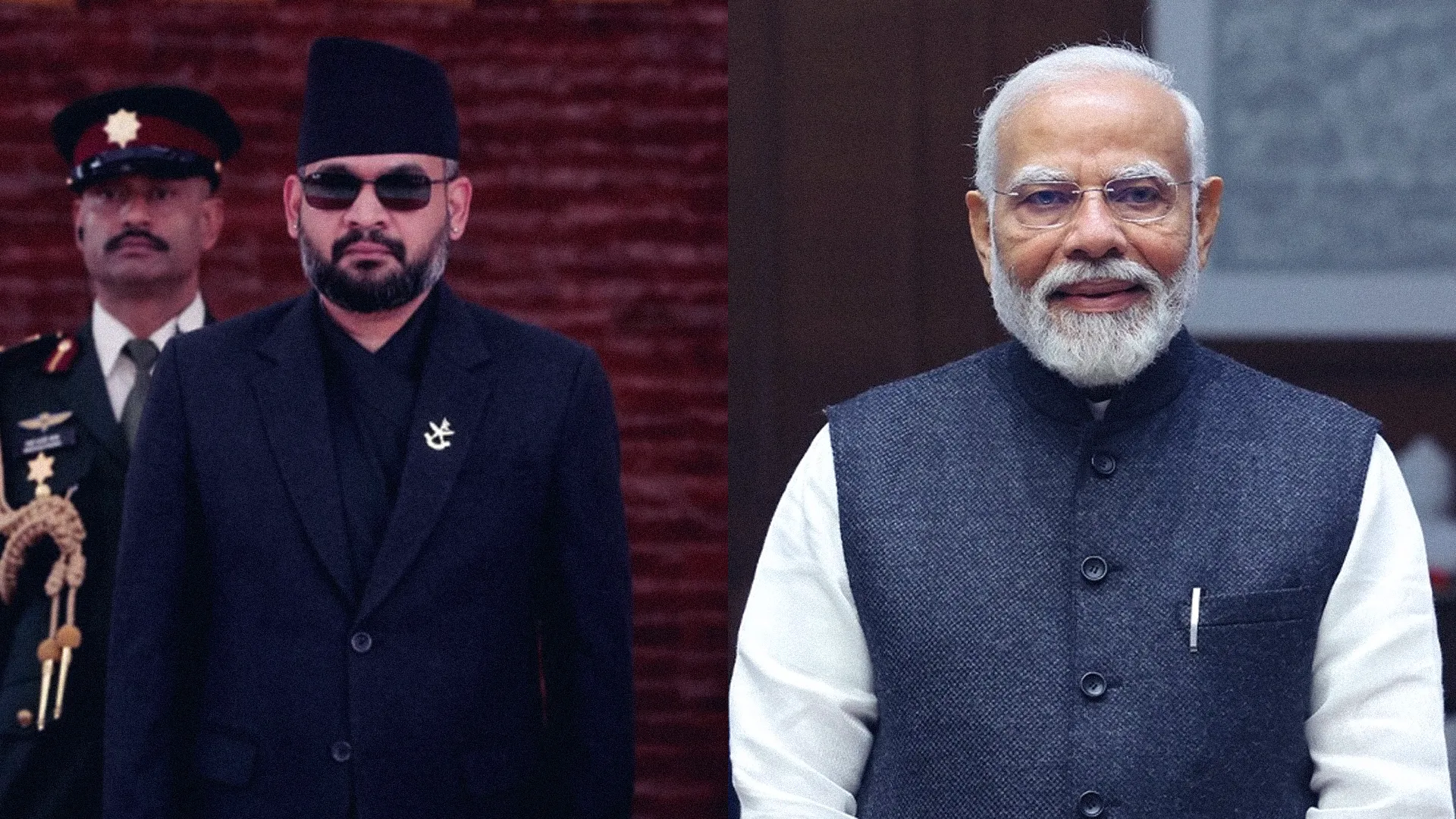



NEW DELHI — Questions regarding diplomatic optics, media priorities, and strategic representation have surfaced following the active participation of Dr. Swarnim Wagle—Nepal’s Finance Minister, Deputy Chairperson of the Rastriya Swatantra Party (RSP), and a key cabinet member in Nepal’s powerful two-thirds majority government—at the NDTV World Summit 2026 held on October 22–23, 2026 in New Delhi.
Day 1: Audience Exchange and Disaster Acknowledgment
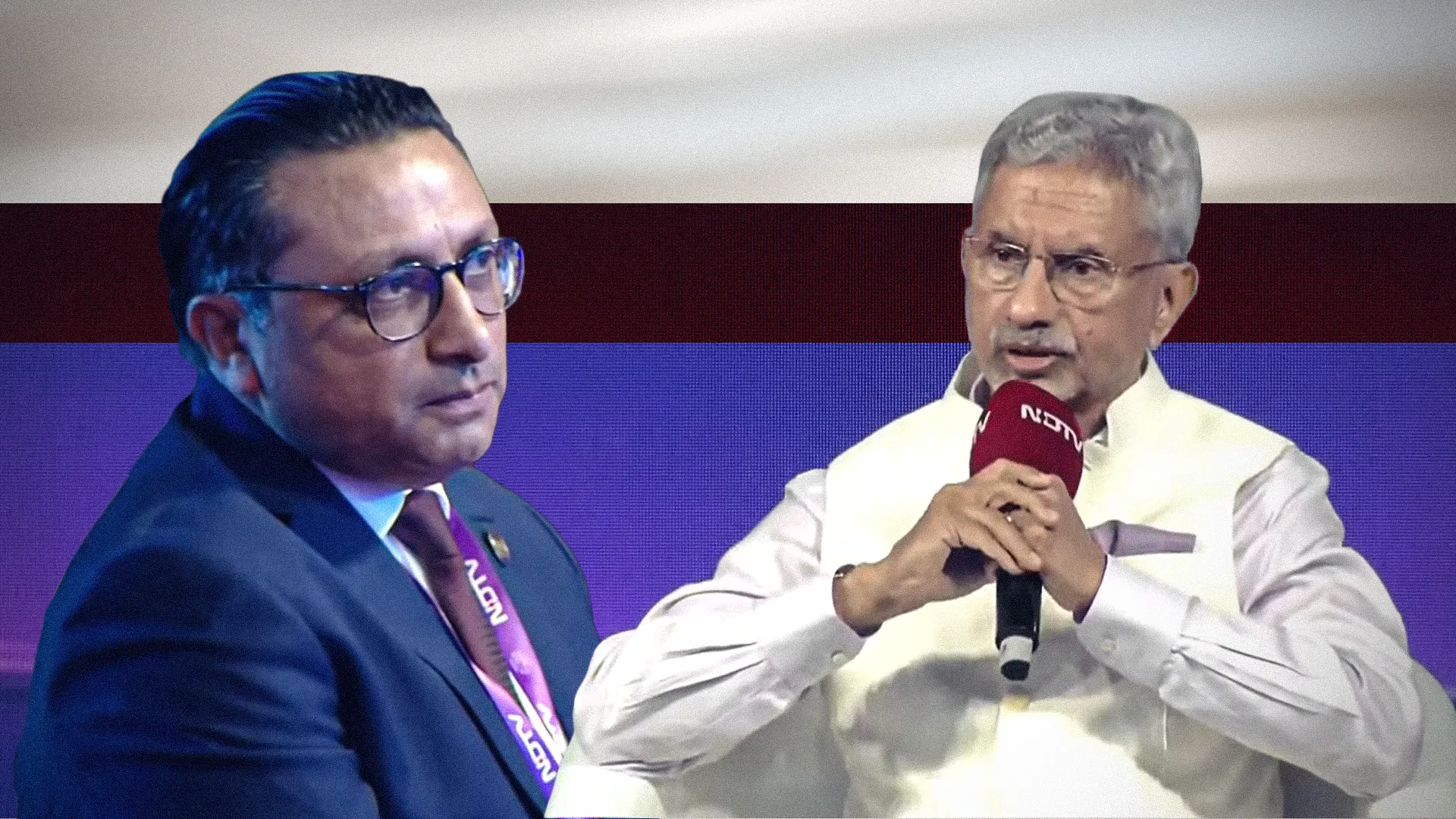
During a high-profile session on Day 1 (October 22), India’s External Affairs Minister, Dr. S. Jaishankar, engaged in a discussion on global geopolitics and border disengagement along the India-China frontier following the 2020 Galwan clashes. During the session, the topic of recent climate-induced flooding in Nepal was also raised.
Dr. Wagle, introduced by session moderators as Nepal’s Finance Minister and a "top international economist in his own right," was seated in the audience gallery. Granted the floor via a handheld microphone, Dr. Wagle expressed deep gratitude to India for its immediate humanitarian and disaster assistance following both the 2015 earthquake and recent flash floods in Nepal's Rasuwa and Bhotekoshi regions. He then posed a theoretical question regarding whether South Asian nations should formalize sub-regional and plurilateral groupings in light of fraying global multilateralism.
The first day’s proceedings concluded in the evening with a keynote address delivered by Indian Prime Minister Narendra Modi.

Interested in this ad?
Would you like to continue to the link or provide your information for more details?
Please provide your information
To continue, please fill in your details
Diplomatic Protocol, Media Priorities, and Critical Perspectives
(Note: The following section reflects opinions, critiques, and commentary from political analysts and media observers to clearly delineate commentary from factual reporting.)
- Protocol & Sovereign Optics: Diplomatic observers have highlighted the contrasting visual of an Indian cabinet minister addressing the gathering from the stage while a high-level minister representing sovereign Nepal spoke from the audience floor. While summit hosts welcomed Dr. Wagle warmly and praised his expertise, critics contend that placing a senior cabinet minister in the audience gallery diluted the authority of Nepal's formal diplomatic presence.
- Silence on Bilateral Border Disputes: Critics noted a missed opportunity regarding core bilateral sensitivities. Despite the session explicitly touching on India-China boundary management, Dr. Wagle chose not to raise long-standing border issues between Nepal and India, such as the Lipulekh, Kalapani, and Limpiyadhura territorial concerns.
- Domestic vs. Foreign Media Engagement: Political commentators have raised questions regarding the minister's public engagement strategy. Analysts pointed out a perceived inconsistency: while Dr. Wagle frequently declines interviews with domestic Nepalese media outlets and independent YouTube channels where he would receive full formal status, he appeared content to participate as an audience member at an Indian media summit.
- Ministerial Time Commitment: Observers have also questioned the allocation of time by Nepal’s Finance Minister, who chose to attend both Day 1 and Day 2 of a private foreign media event. Skeptics question whether high-ranking Indian cabinet ministers who attended Day 1 will commit equivalent full-time attendance on Day 2.
Looking Ahead to Day 2
Dr. Wagle is scheduled to address the summit on Day 2 (October 23) during a dedicated panel titled “Proximity to Prosperity: The India-Nepal Opportunity”. Observers and the public remain watchful to see whether this session will confront concrete, unresolved bilateral challenges—such as trade barriers and territorial disputes—or remain limited to formal economic rhetoric.