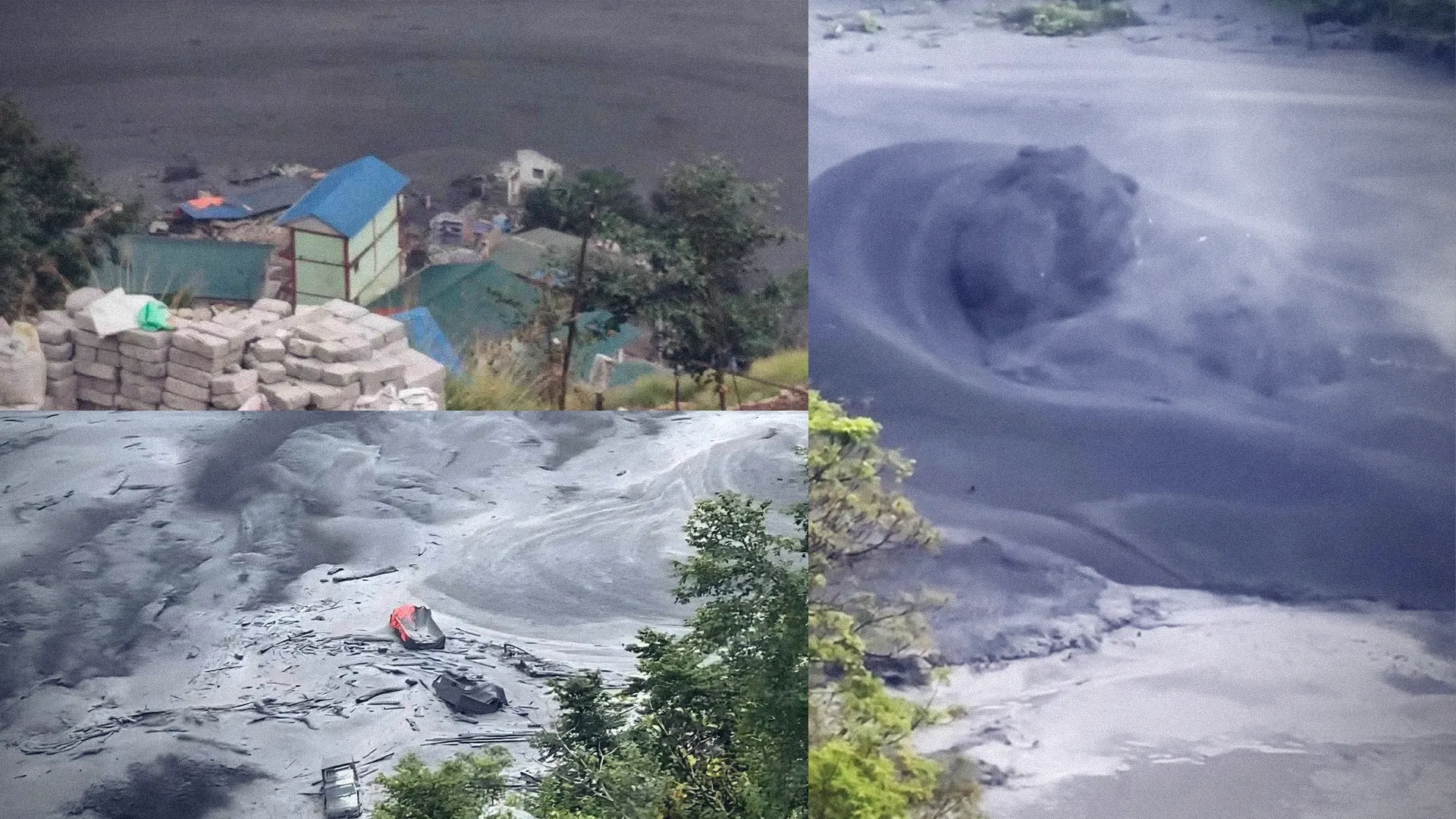



Nepal has endured a catastrophic year of natural hazards, with disasters claiming the lives of 479 individuals and profoundly disrupting the livelihoods of nearly 13,000 families. The staggering human cost, accumulated between mid-April of the previous year and the present week, underscores the nation's severe vulnerability to climatic and environmental emergencies.
According to comprehensive data released by the National Disaster Risk Reduction and Management Authority (NDRRMA) under the Ministry of Home Affairs, the country recorded an alarming 7,140 individual disaster events over the past year. Beyond the confirmed fatalities, the crises have left 38 people missing and 1,870 individuals injured. Fire outbreaks proved to be the most lethal and frequent menace, causing 102 deaths across 3,443 separate incidents. This was closely followed by snakebites, which claimed 98 lives, and landslides, which resulted in 74 fatalities. Wildlife attacks and lightning strikes also contributed significantly to the death toll, killing 55 and 47 people respectively.
The relentless nature of these emergencies was further highlighted by the authority's most recent 24-hour situational update. Between the mornings of Chaitra 6 and Chaitra 7, the country witnessed 36 new disaster events spanning 30 districts. These rapid-fire incidents resulted in one death and 14 injuries, primarily driven by severe lightning strikes and localized fires. Notably, altitude sickness claimed one life during this short window.

Interested in this ad?
Would you like to continue to the link or provide your information for more details?
Please provide your information
To continue, please fill in your details
The economic fallout from just this single day of devastation has been substantial. The NDRRMA estimates the immediate financial damage at approximately 3.086 million Rupees, alongside the loss of 30 livestock. To manage the immediate aftermath, 177 police personnel were swiftly deployed across the affected zones for rescue and relief operations.
As the country braces for upcoming seasonal shifts, these grim figures highlight the critical necessity for enhanced early warning systems and more robust community-level disaster preparedness to mitigate future humanitarian and economic losses.