


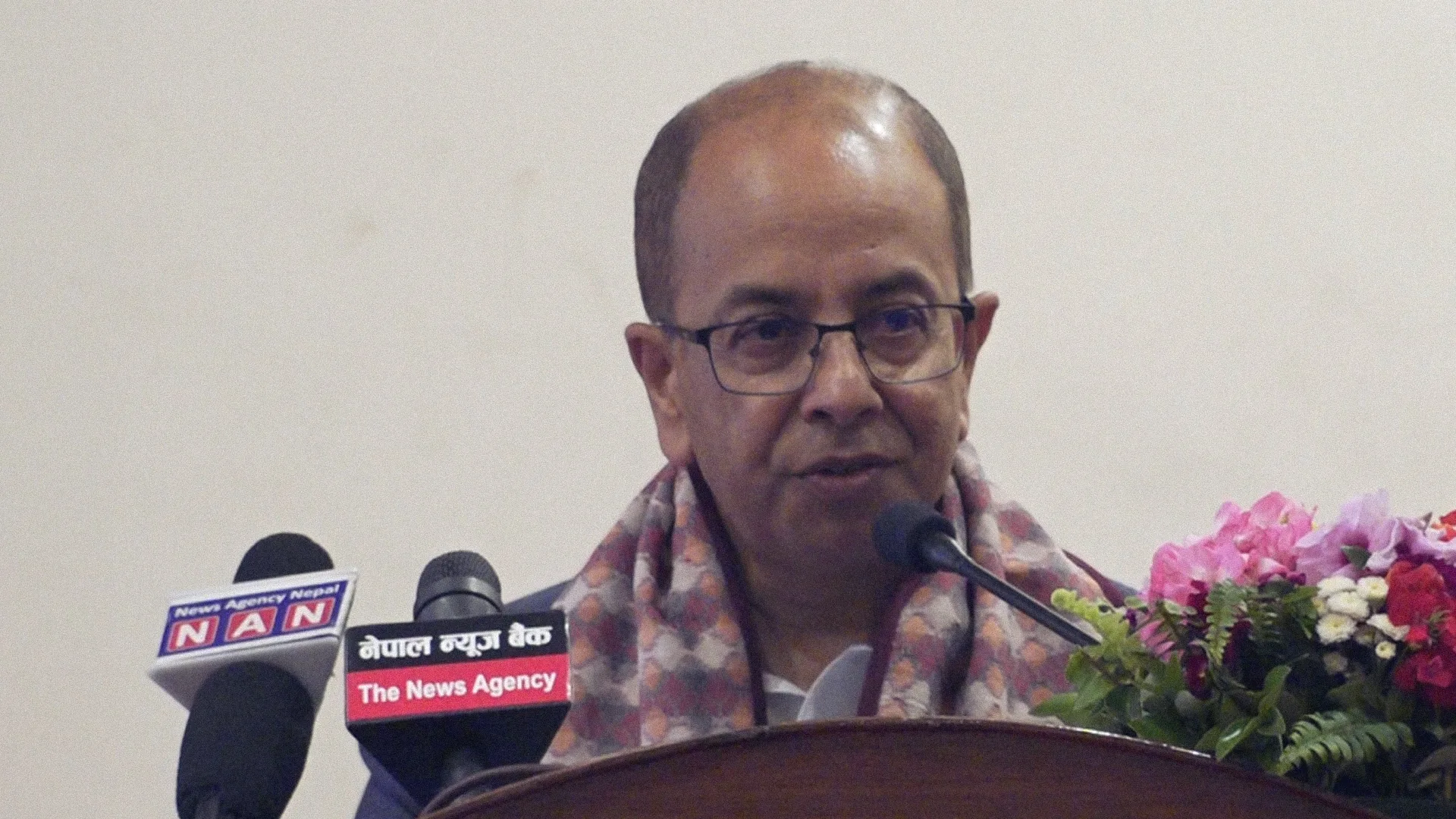
Nepal’s transition from the Least Developed Country (LDC) status looms as a significant hurdle for the domestic garment sector, with industry leaders warning of a potential crisis if preparation remains stagnant. During a recent interaction organized by the Garment Association Nepal, CNI President Vishnu Raj Pandey highlighted a distressing trend: the manufacturing sector’s value addition to the national GDP has plummeted below 5 percent. This decline, coupled with a mere 7 percent share in formal employment, indicates a fragile industrial foundation as the country nears its graduation deadline.
The competitive edge of Nepalese products is further dulled by exorbitant operational expenses. According to President Pandey, logistics costs in Nepal consume nearly 30 percent of a product's value, a figure that is double that of India and nearly triple that of Vietnam. This infrastructure bottleneck makes it increasingly difficult for local manufacturers to compete globally. Furthermore, the textile sector currently represents 75 percent of Nepal's total exports to the European Union (EU). This vital trade link is under threat as India nears a Free Trade Agreement with the EU; should India secure zero-tariff access, Nepal’s competitive advantage would essentially vanish.

Interested in this ad?
Would you like to continue to the link or provide your information for more details?
Please provide your information
To continue, please fill in your details
Adding to the urgency is the regional context. While Nepal moves toward graduation, Bangladesh has sought a three-year delay from the United Nations to bolster its readiness. President Pandey cautioned that if Nepal graduates while regional competitors like Bangladesh retain LDC benefits, the resulting loss of comparative advantage could be devastating. Despite the formulation of a "Smooth Transition Strategy," the industry observes little progress in boosting productivity or lowering costs. The road ahead necessitates immediate bilateral negotiations and preferential trade agreements to ensure that the industrial sector does not become a casualty of the graduation process.