


Beijing's policy of directing state resources into high-tech manufacturing is running up against a severe slump in consumer confidence and local economic activity, demonstrating that administrative discipline cannot easily replace organic market demand.
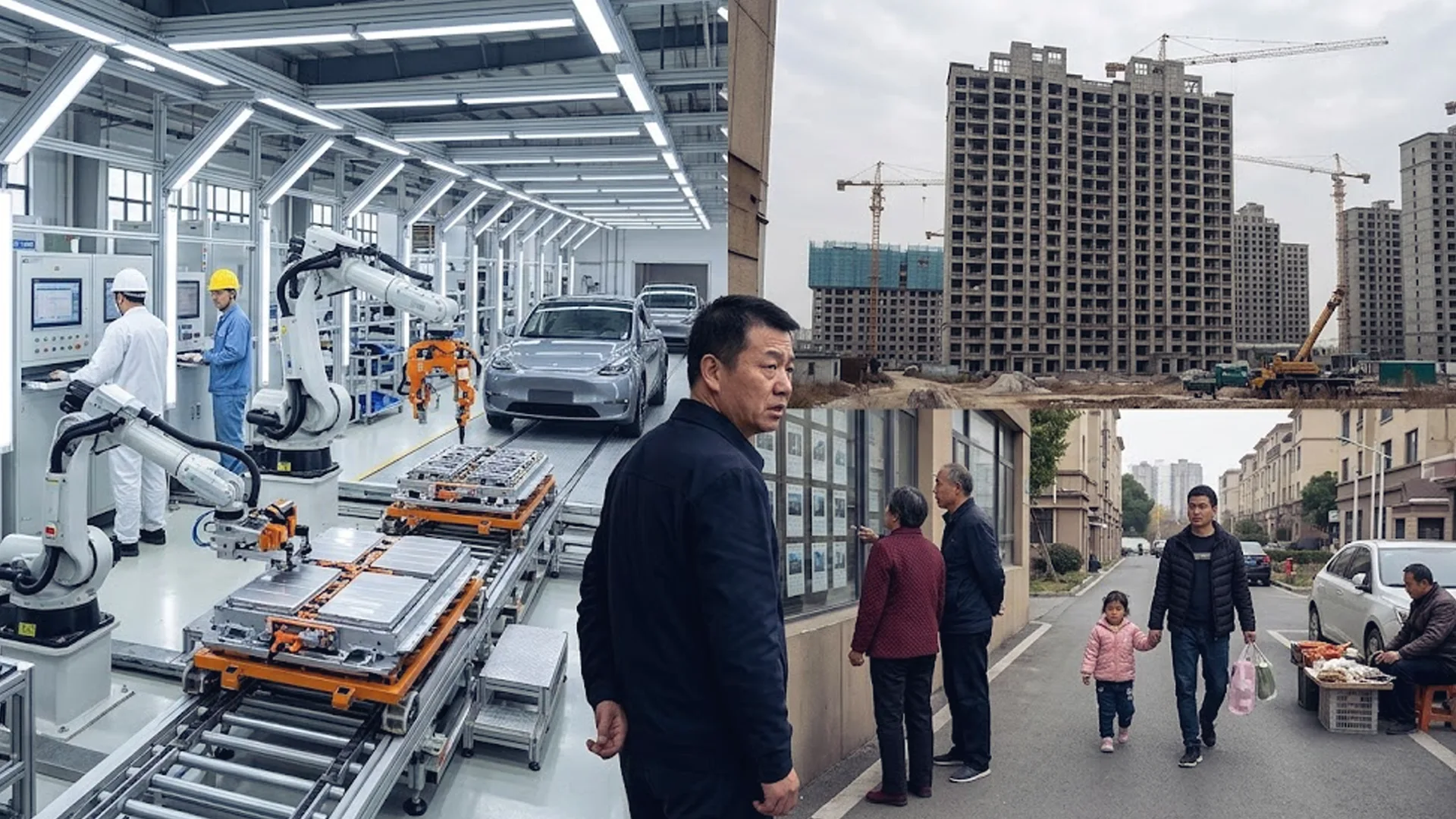
Official data for the first nine months of 2026 show that while gross domestic product expanded by 4.6 percent, fixed-asset investment shrank by 7.2 percent and real estate investment collapsed by 20.6 percent. Concurrently, retail sales expanded by a meager 1.1 percent in September, reflecting widespread household hesitation.
Although state-backed priority sectors like electric vehicles and advanced battery production have delivered significant technological breakthroughs, these advances have failed to offset the drag from a protracted housing slump. The collapse in real estate has eroded household net worth, depleted local government budgets, and dampened private enterprise willingness to deploy capital.
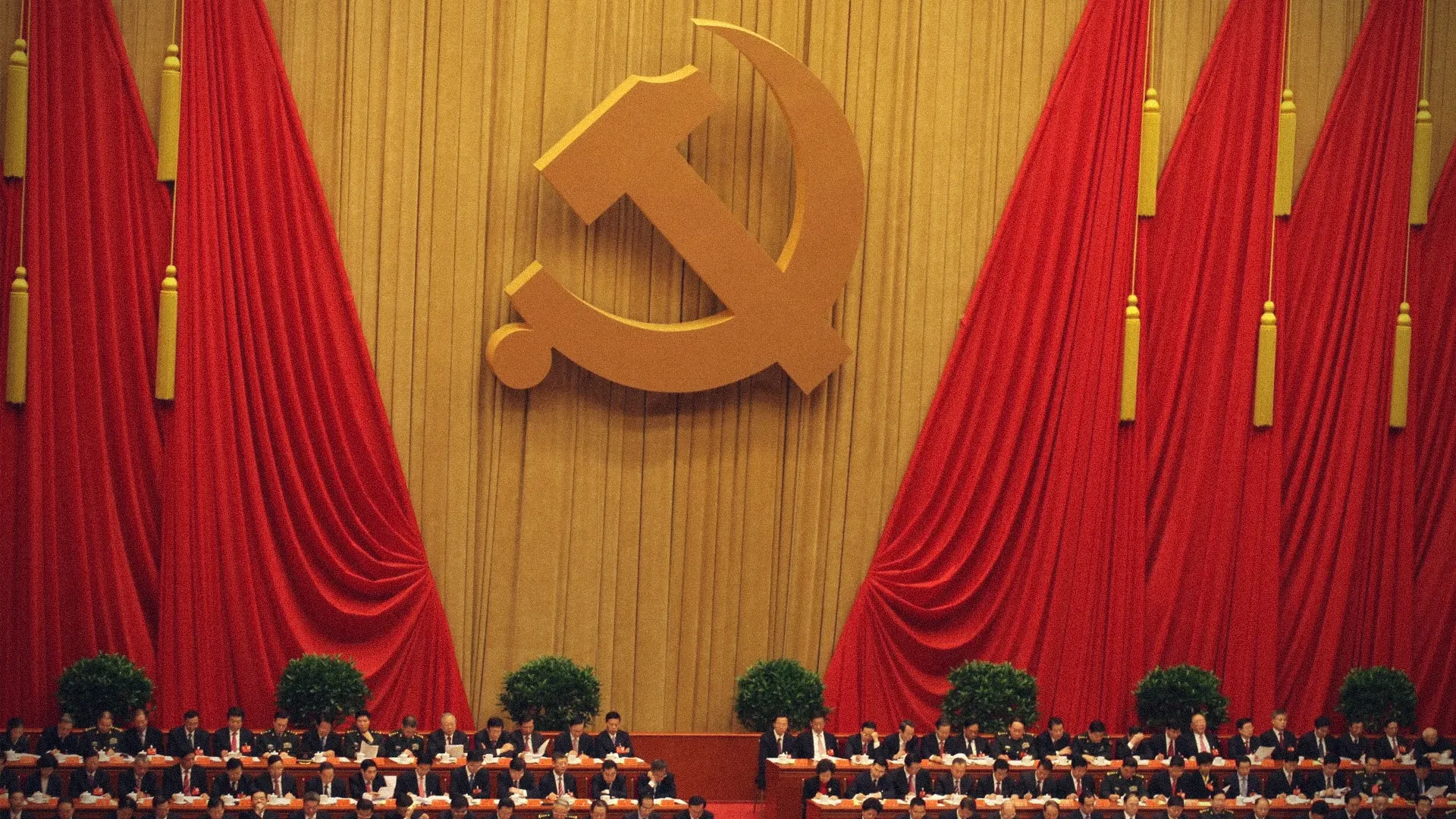
During the Communist Party’s Fifth Plenum held between October 26 and October 29, top decision-makers reinforced party governance and political oversight. While heightened supervision can curb administrative waste and align local authorities with central directives, economic analysts note that strict political discipline cannot mandate consumer spending or compel private businesses to invest when future profitability remains uncertain.
As China seeks to balance strategic autonomy with broad-based economic recovery, the central challenge remains whether policymakers will address underlying household insecurities—such as employment, healthcare, and asset stability—or continue relying on top-down enforcement that treats symptoms rather than root causes.