


A sharp pullback in festive spending during China’s Mid-Autumn Festival has exposed deepening economic anxiety among domestic consumers, leaving retailers with massive unsold inventory despite heavy price cuts.
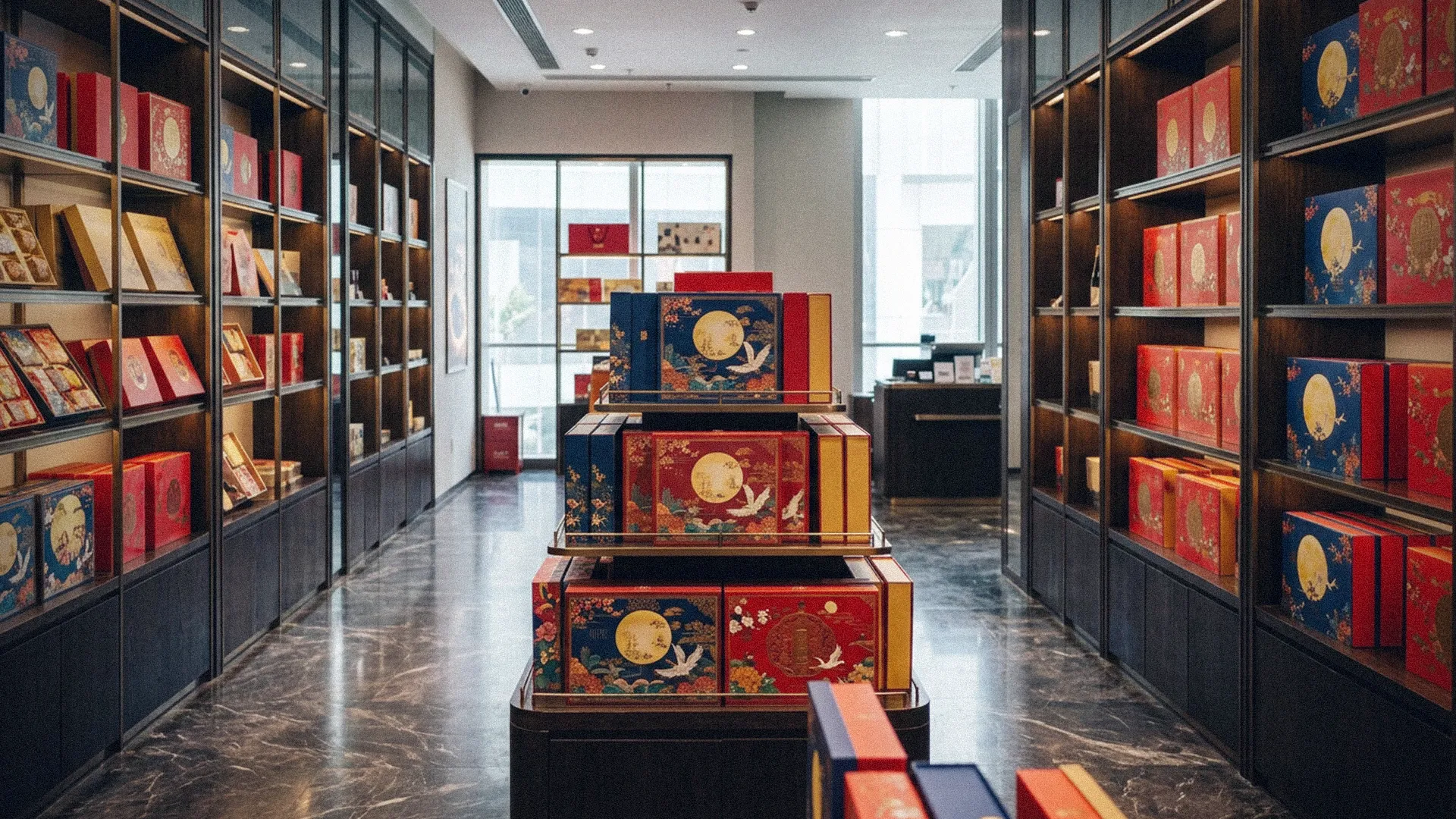
Merchant shelves across the country remained stacked with unbought luxury gift packs, premium liquor, and holiday treats as shoppers decisively turned away from high-end seasonal purchasing.
The retail slump underscores a fundamental shift in household sentiment, where mounting concerns over job security, property market slowdowns, and sluggish income growth are compelling families to adopt defensive spending habits.
Compounding the downturn, a wave of public outrage erupted over severe quality control failures, with consumers reporting dangerous foreign objects like metal blades, screws, and nails embedded inside commercial mooncakes.
The festive distress extended into corporate workplaces, notably sparking viral social media controversy at electric vehicle giant BYD, where staff openly criticized minimal holiday benefits and poorly made gifts.

Interested in this ad?
Would you like to continue to the link or provide your information for more details?
Please provide your information
To continue, please fill in your details
These employee grievances highlight a growing friction between corporate revenues and staff welfare, reflecting diminished workplace morale and squeezed household budgets among ordinary workers.
For years, elaborate holiday gifting served as crucial social currency in Chinese business and cultural life, but buyers now overwhelmingly favor essential purchases and practical, lower-cost alternatives over expensive status symbols.
Despite repeated government attempts to stimulate domestic demand through consumer subsidies and strict regulations on excessive gift packaging, households remain hesitant to spend.
The muted holiday season illustrates Beijing's evolving economic dilemma, transitioning from a challenge of industrial manufacturing capacity to one of restoring domestic consumer confidence.