



Signs of slowing economic momentum in China are raising broader concerns about potential ripple effects across Asian economies. Recent economic reports indicate declining consumer confidence, weaker investment activity and growing uncertainty within China’s domestic market.
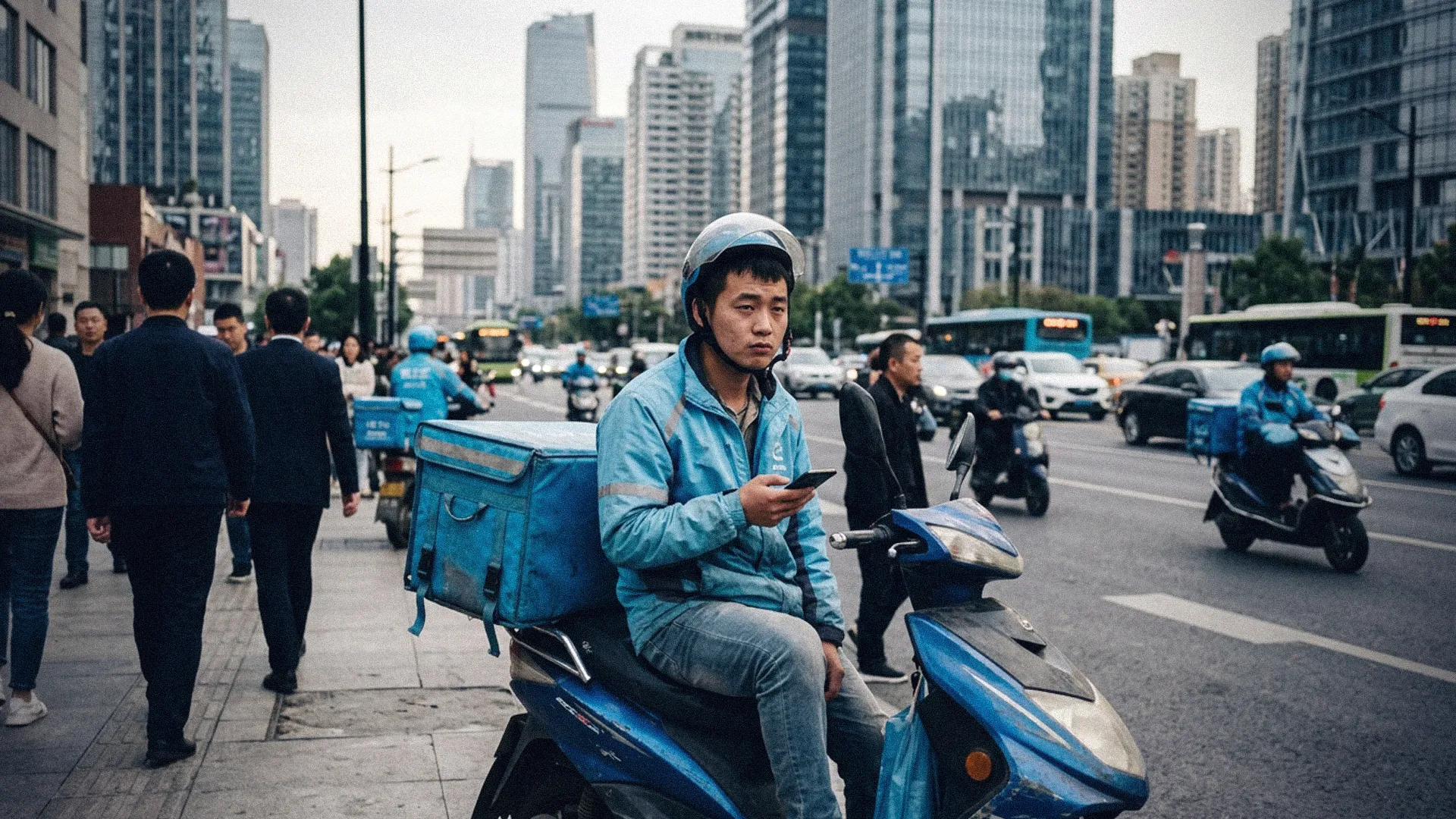
Analysts say the level of economic activity observed during the recent Lunar New Year period fell short of expectations, adding to questions about the strength of China’s internal demand. As the world’s second-largest economy, fluctuations in China’s growth can influence global economic trends and regional trade flows.
Economists point to declining momentum in manufacturing output, consumption and investment. Rising unemployment pressures, challenges in the real estate sector and increasing debt burdens are among the factors believed to be weighing on economic performance.
Despite continued investment in technology, artificial intelligence and industrial capacity, structural challenges within China’s domestic economy remain a subject of concern among observers.

Interested in this ad?
Would you like to continue to the link or provide your information for more details?
Please provide your information
To continue, please fill in your details
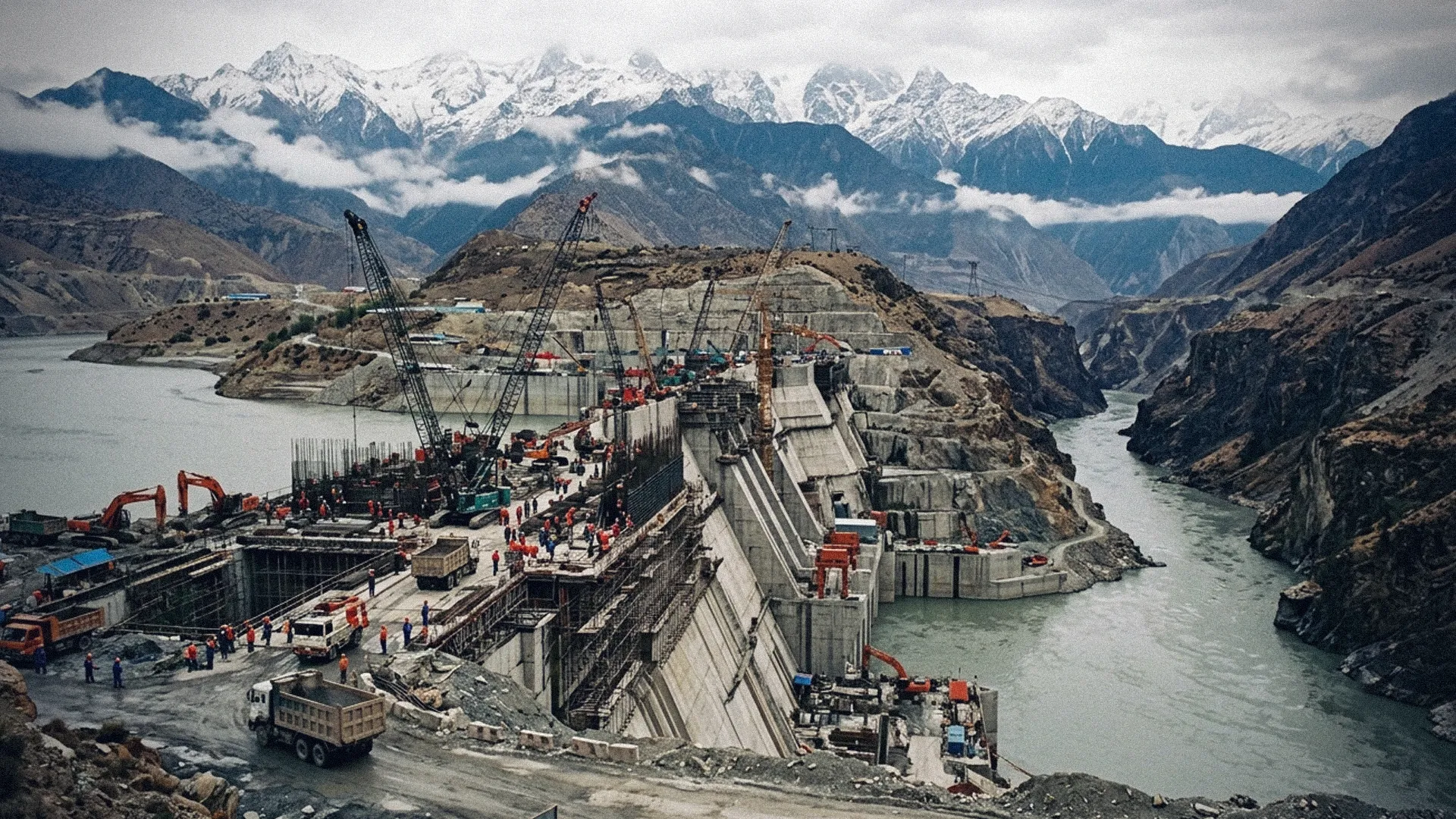
Countries across South Asia are watching these developments closely. China serves as a major trading partner and investor for many economies in the region, meaning shifts in its economic performance could influence infrastructure projects, trade activity and financial cooperation.
For Nepal, economic analysts note that Chinese economic trends may indirectly affect infrastructure development projects, cross-border trade and tourism flows connected to China.
Observers say that if the slowdown persists over the longer term, it could prompt renewed debate over economic power dynamics in Asia and reshape patterns of investment and regional development cooperation.
International financial institutions have encouraged Chinese authorities to accelerate economic reforms and adopt policies aimed at strengthening domestic consumption in order to stabilize growth.