


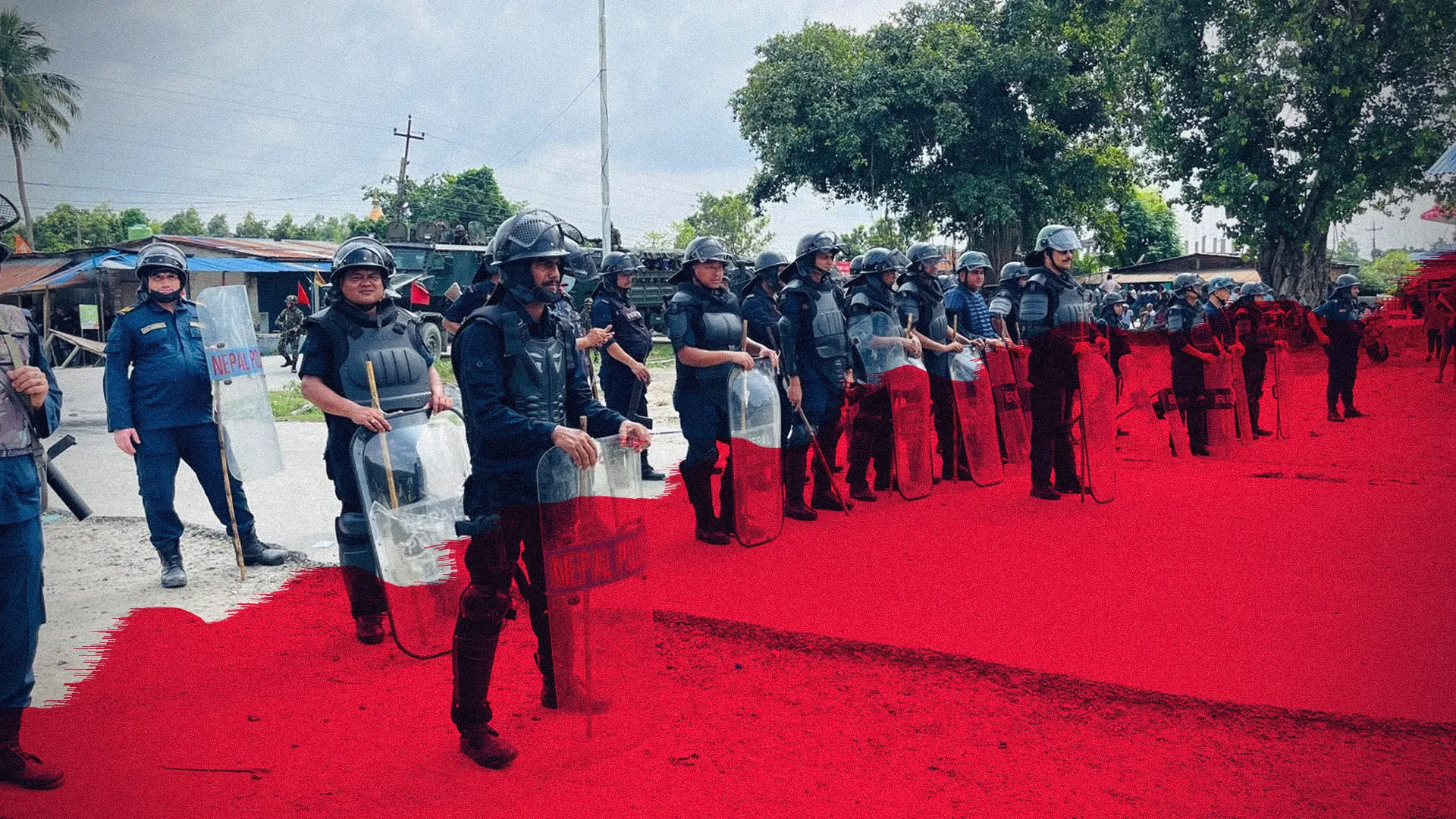
Communal violence in Nepal is not a new phenomenon; rather, it is a recurring, deeply rooted threat exacerbated by a systemic failure to hold perpetrators accountable. Notably, such conflicts have surged since Nepal transitioned into a secular state, highlighting new frictions within the nation's social fabric. The current wave of criminal communal violence has escalated sharply because culprits are repeatedly protected in the name of "religious harmony," a misguided approach that has emboldened extremists and pushed the morale of criminals to an all-time high. Recently, a deadly wave of clashes that began in Sunsari district has rapidly spread to neighboring districts, leaving at least three people dead as local administrations utterly failed to control the protesters. Experts, civil society, and citizens alike warn that if strict legal and administrative steps are not taken immediately, this fire of unrest could easily engulf the entire nation, including the capital, Kathmandu.
The Illusion of "Pseudo-Tolerance" and State Failure
In response to the escalating crisis, Prime Minister Balendra Shah recently appealed to the public, stating, "Do not blame any religion." While this sentiment may sound theoretically correct and politically safe, critics argue it completely misses the mark. The core problem is not religion itself—it is the unchecked extremism that takes the law into its own hands, compounded by the state's glaring impotence. Granting impunity and shielding criminals under the guise of "religious tolerance" is not an act of peace; it is a severe administrative failure. Pseudo-tolerance only fosters and accelerates extremism.
A Distracted Home Administration
Rather than addressing this systemic failure, the Home Administration has attempted to divert public attention away from the severe security crisis developing in the border regions. By deliberately entangling the national debate in trivial issues like DJ music and loudspeakers, the government is deflecting from its own inaction. Ironically, the Home Minister himself has a background as a DJ and should understand better than anyone: does music alone manufacture violence, or is this merely a deliberate distraction?
This diversionary tactic serves to sweep much graver issues under the rug. Under the same shadow of fake tolerance, the state has turned a blind eye to blatant encroachments—such as the illegal occupation of land behind the White Tower (Dharahara)—as well as horrific instances of exploitation and violence against women disguised as fake marriages or 'love jihad.' Police investigations into these criminal acts remain disturbingly weak, proving that the state apparatus is failing to protect its citizens.
Common Triggers and a History of Unrest
A careful verification of past incidents reveals that this unrest is part of a long-standing pattern of administrative negligence rather than an isolated event. Across historical and current clashes, independent analysts consistently identify four common triggers:

Interested in this ad?
Would you like to continue to the link or provide your information for more details?
Please provide your information
To continue, please fill in your details
-
Controversies over religious procession routes passing near sensitive places of worship.
-
Disagreements over playing loud DJ music or provocative songs.
-
Disputes regarding the mounting of religious symbols and flags on public spaces.
-
The rapid amplification of rumors and misleading videos via social media.
Instead of addressing these known triggers, the state has allowed history to repeat itself continuously across Madhesh Province. Over the years, similar cycles of violence have erupted time and again. In September 2019 and February 2024, Rautahat witnessed widespread clashes, property damage, and curfews stemming from festival procession disputes in areas like Ishnath. Similarly, Sarlahi experienced multi-day curfews in September 2020 and again in mid-2023 due to severe conflicts over idol immersions and flag mountings in Malangwa and Godaita. Dhanusha district has also faced repeated prohibitory orders, notably in November 2021 during Chhath Puja, October 2025 near Rizvi Jama Masjid over loud music and stone-pelting, and most recently in January 2026. This localized unrest frequently spilled into neighboring territories, as seen in Parsa and Bara, where Birgunj and Kalaiya suffered violent protests, arson, and multi-day curfews between 2021 and early 2026. The latest spillover from the Sunsari conflict in July 2026 has brought devastating arson—including the burning of a shopping mall in Golbazar—and the tragic death of a 15-year-old boy in Siraha and Saptari districts, underscoring the chronic and fatal nature of these administrative failures.
The 'Mini Pakistan' Threat and National Security
The escalating communal tensions and extremist activities along the Nepal-India border are raising severe national security alarms. Locally, residents have begun expressing deep anxiety over the border region morphing into a "mini Pakistan" due to unchecked radicalization. While local communities in the Terai-Madhesh region are actively fighting to protect their long-standing cultural and religious identities, there is a looming, critical danger: if the state continues to show weakness, these extremist elements could easily push northward, establishing a dangerous stronghold in the sparsely populated hill and mountain regions of Nepal.
The Urgent Need for Zero Tolerance
To combat this rising tide of extremism and crime, Prime Minister Shah is being heavily urged to abandon pseudo-tolerance and learn from the strict administrative policies of Chief Minister Yogi Adityanath in neighboring India’s Uttar Pradesh. The core philosophy of this approach is simple but effective: "They must be taught in the language they understand."
It is precisely this model of zero tolerance and unwavering legal firmness that has successfully driven economic progress in Uttar Pradesh, transforming it into an economy larger than that of the entire nation of Pakistan. Nepal's state apparatus must immediately fortify its border security and ruthlessly enforce the rule of law against crimes and extremism committed under any religious guise. Anything less is a betrayal of the nation's safety and future.