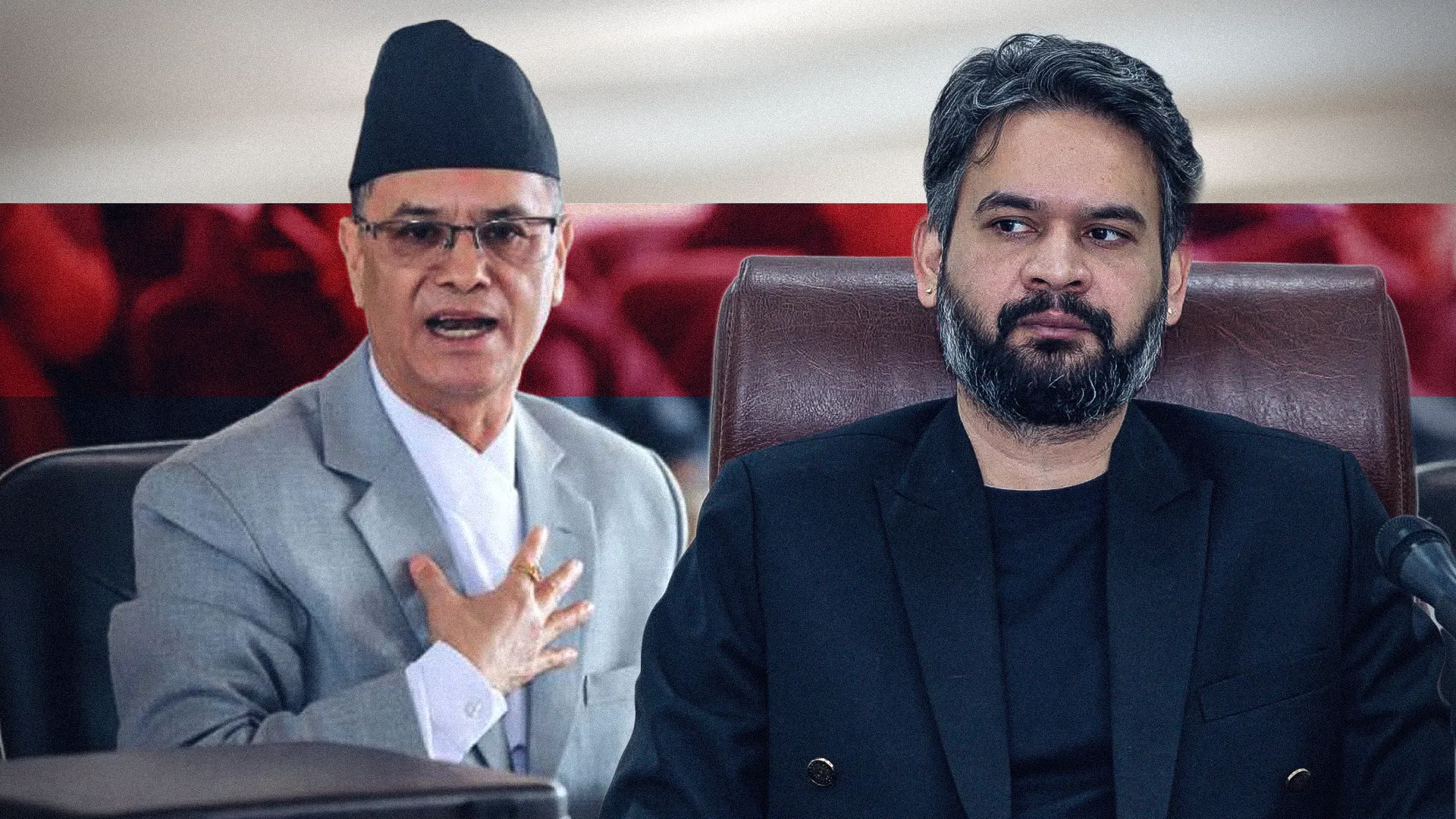



SB Shah - According to ancient mythological beliefs, the king is considered a direct incarnation of Lord Vishnu, and in the modern democratic era, the Prime Minister who holds the reins of power is the 'king' of the time. In this classical perspective, Prime Minister Balendra Shah (Balen), who took the oath of office and secrecy on the auspicious day of Ram Navami according to Hindu tradition, stands as 'Krishna' in modern politics. Just as Lord Krishna led the righteous war of Mahabharata for the destruction of unrighteousness and the revival of righteousness, Balen has also started a new chapter of good governance. In this righteous war, Chief Advisor Kumar Benjankar (Kumar Ben), who is considered closest to Balen and a synonym for truth and integrity, plays the role of 'Yudhishthira'. Just as Krishna gave the highest place to Yudhishthira's righteousness, truthful image, and policy integrity in Mahabharata, Prime Minister Balen has also deeply respected and trusted Kumar Ben's dedication to truth as a strategic and moral pillar of running the country.
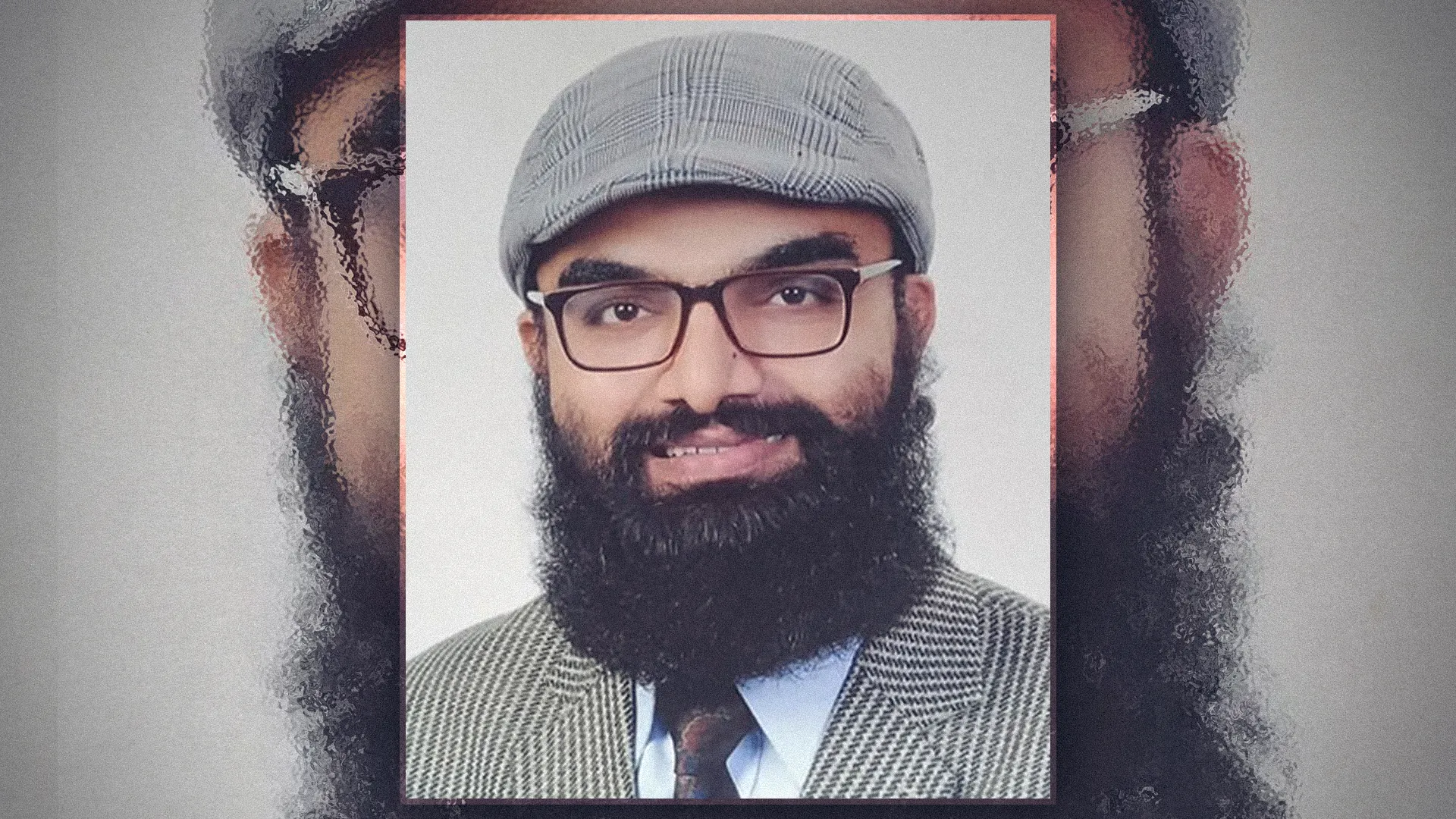
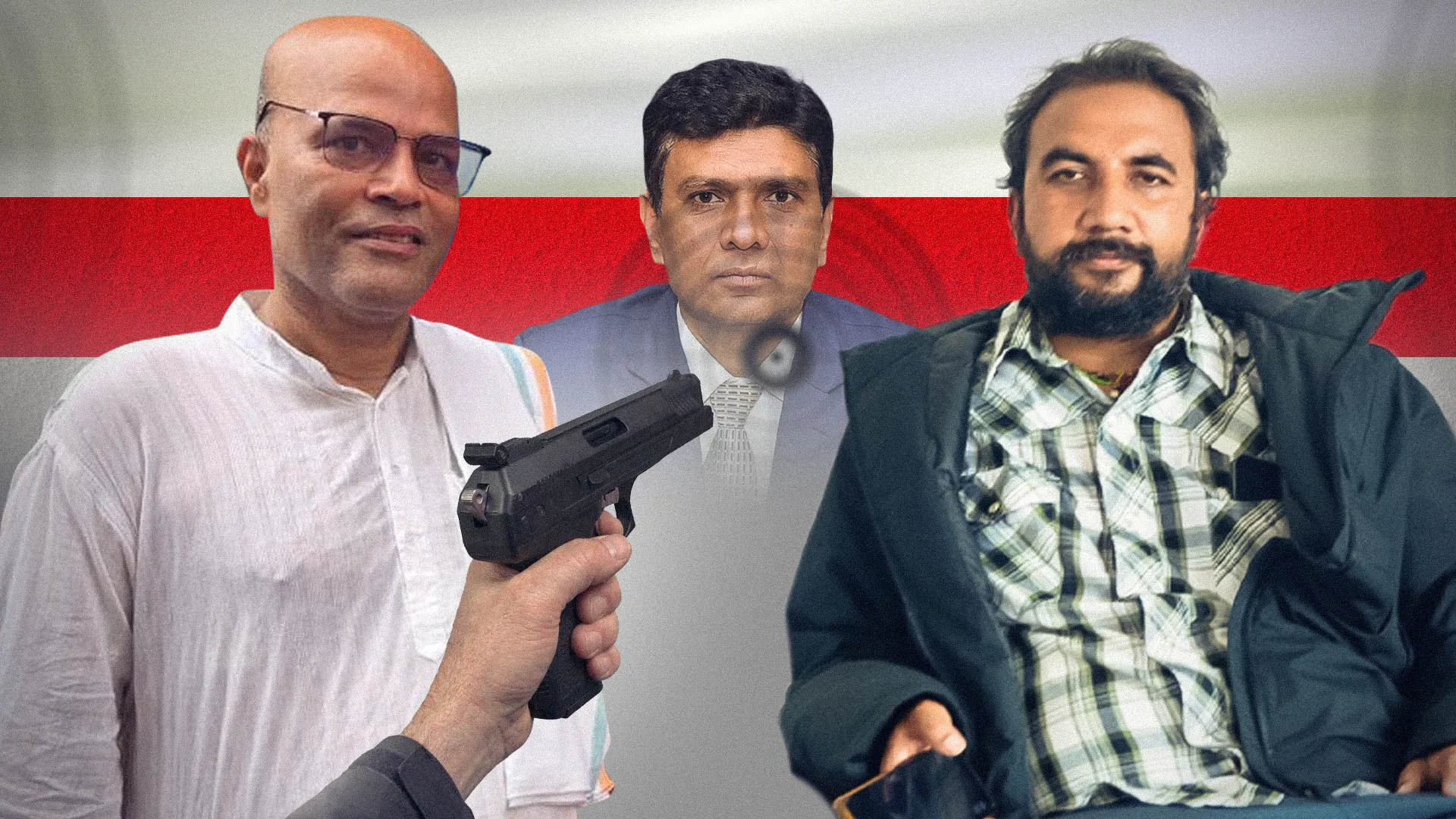
However, on Thursday, a serious conspiracy was sensed over this political foundation of truth and righteousness during special time in the House of Representatives. Rastriya Swatantra Party MP Amaresh Kumar Singh stood at the rostrum and used words that not only tore parliamentary decorum to shreds, but also levied low-level allegations against Kumar Ben, who has a clean image like 'Yudhishthira'. Singh made an exaggerated claim that an 'illegal regime' was running from Chief Advisor Kumar Ben's residence in Jhwagal, where the Director General of the Department of Money Laundering Investigation was summoned at midnight, a pistol was aimed at his temple, and he was threatened to issue a Red Corner notice within two hours. This allegation, made citing former Director General Gajendra Thakur, is not normal political criticism or policy disagreement; it is a planned and highly irresponsible attack portraying state machinery as a criminal gang.
Having levied such serious and low-level allegations, the question now hangs on Amaresh Kumar Singh's political and moral accountability. If Singh holds the delusion that just because he gets the parliamentary rostrum and in the pursuit of cheap popularity he can speak whatever he likes, that is a mockery of the democratic system. Singh must either prove this serious claim of aiming a pistol at midnight in Jhwagal and forcing illegal work with irrefutable evidence, or else he must be held accountable before the law and the public for such fabricated allegations made with false, misleading, and character-assassination intent. No public representative can be granted the leeway to tarnish the reputation of public figures with evidence-free allegations and later escape.
A great paradox and irony of democracy has been exposed here. The Constitution of Nepal provides MPs with privilege, i.e., parliamentary immunity, that no court case or criminal investigation will be conducted based on views expressed inside parliament. MP Singh seems to be engaged in a plot behind this constitutional shield to degrade the reputation of the faithful advisor like 'Yudhishthira' and the 'Krishna'-like Prime Minister. However, what they have forgotten is that this immunity provided by the Constitution is only up to the court's doors; not for the highest judicial body of democracy, i.e., the 'court of the people'. Spewing venom under the cover of parliamentary immunity does not allow any politician to shirk their moral and social responsibilities.
In a democracy, the final and most powerful decision always lies in the hands of the people. When the time for periodic elections arrives, aware voters will punish those who spread hatred in society with such false, misleading, and irresponsible statements through the power of their vote. But a serious and cruel question arises here—before being punished by the court of the people, will characters like Amaresh Kumar Singh, who commit low-level acts in parliament unable to bear the weight of their own words and stand exposed before the public unable to prove their allegations, even hold the moral standing and capacity to go among the people as candidates in the upcoming elections? The victory of truth and destruction of falsehood is the eternal truth of Mahabharata, and in the political righteous war of modern Nepal, this fate will ultimately repeat itself.