


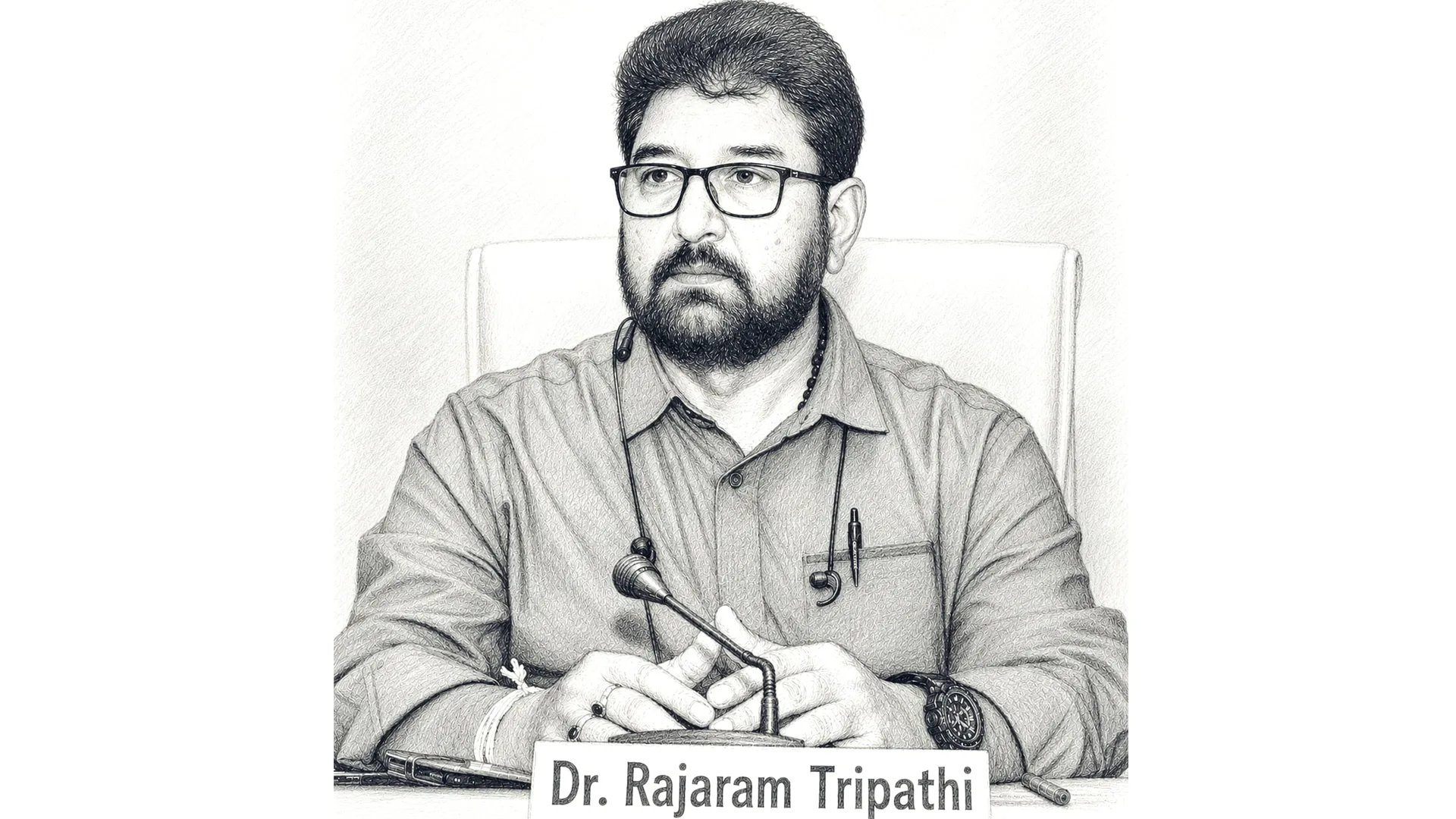
A stark warning over growing socio-political polarization across India has highlighted the widening gulf between symbolic nationalism and ground-level social cohesion. According to a detailed analysis by Dr. Rajaram Tripathi, agricultural expert and National Convenor of the All India Kisan Mahasangh (AIFA), escalating divisions across linguistic, regional, religious, and caste lines are systematically eroding the foundational unity of the republic.
Tripathi stresses that true national integration, once spearheaded by Sardar Vallabhbhai Patel—who united over 562 princely states following independence—cannot be realized through monumental statues or annual ceremonial pledges alone. Instead, the country's cohesion hinges on constitutional principles of equality, justice, and mutual trust among citizens.
Tracing the roots of contemporary division, the analysis points to institutionalized colonial divide-and-rule tactics, including the 1909 Morley-Minto reforms and the creation of sectarian political organizations prior to the 1947 partition under the Mountbatten Plan. The expert observes that despite gaining independence, a partition mindset continues to be exploited for electoral gain, converting cultural diversity into political friction.
The report draws attention to structural flaws in the implementation of protective legislation, such as the PESA Act of 1996, the SC/ST Prevention of Atrocities Act of 1989, and land protection regulations for tribal communities. While enacted to shield marginalized groups from historic oppression, poorly executed restrictions often depress land values for indigenous owners and foster inter-community friction, as seen in regions like Bastar. Furthermore, regional chauvinism—exemplified by local versus outsider rhetoric in states like Chhattisgarh—directly undermines constitutional guarantees under Article 19(1), which ensure freedom of movement and residence for all citizens across India's interconnected economy.
Contrasting political opportunism with binding national institutions like the Indian Armed Forces, public media, and civil services, Tripathi calls for rigorous public scrutiny of political leaders and expenditures. The critique concludes that national strength cannot rely on reacting to external threats, but demands daily civic accountability, fair enforcement of laws, and an unyielding commitment to equal citizenship.