


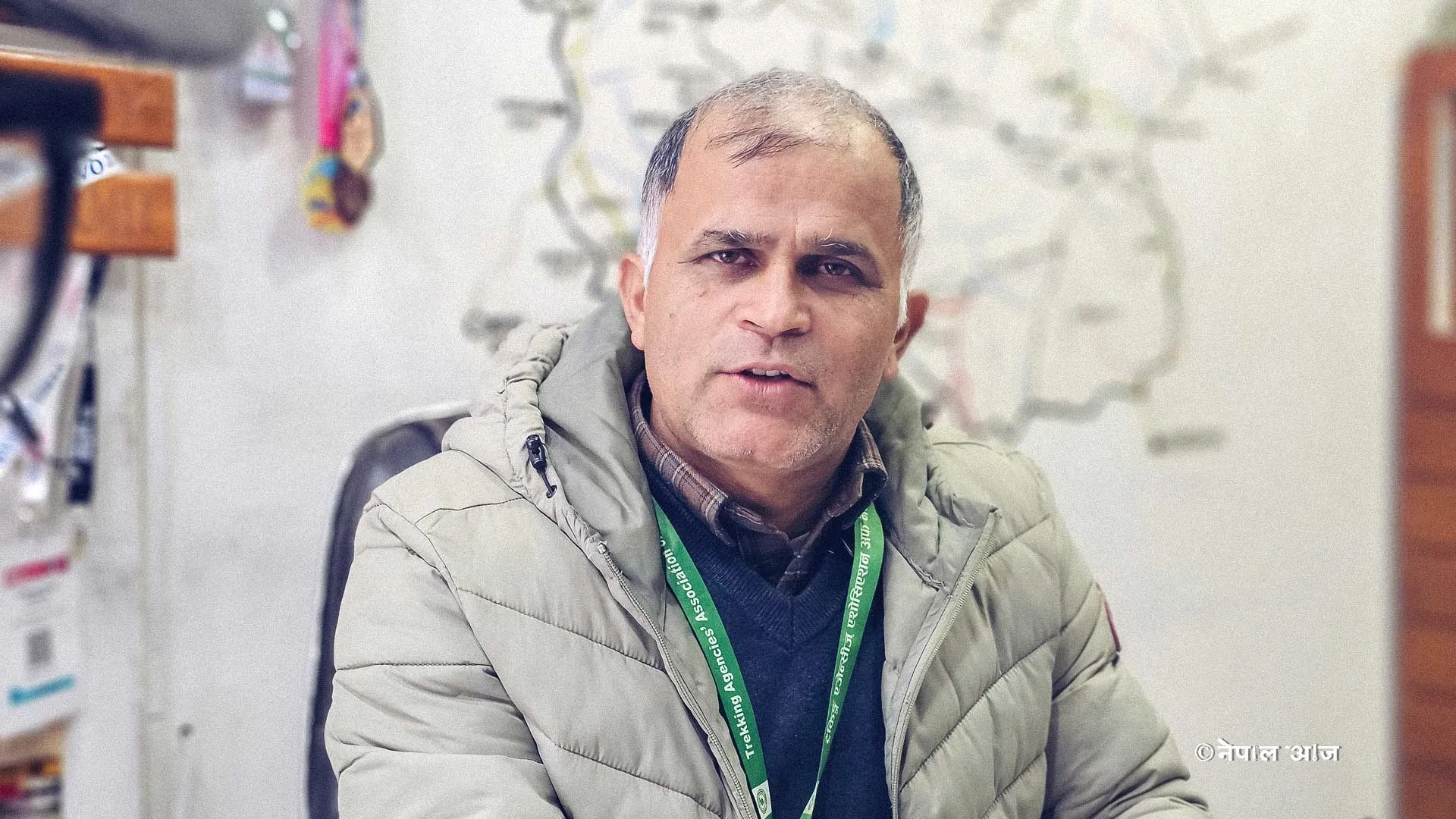
Pokhara’s tourism industry is sliding toward a deepening crisis due to the lack of regular international flights, inadequate global promotion, and unresolved connectivity challenges, according to Krishna Prasad Acharya, president of Trekking Agencies’ Association of Nepal (TAAN).
Acharya said expectations of direct international connectivity following the airport’s inauguration—timed after the Visit Nepal 2020 announcement—triggered heavy private investment in hotels, transport, and trekking infrastructure. The COVID-19 disruption stalled the sector for an extended period, and arrivals have since failed to rebound to anticipated levels, leaving investors exposed.
While Pokhara is often cited as having around 40,000 beds, Acharya noted that overall hotel occupancy remains weak. Outside peak windows such as the Nepali New Year—when occupancy can reach 90–95%—average rates hover between 20% and 40%. A further dip in domestic travel, he warned, could turn conditions “critical.”

Interested in this ad?
Would you like to continue to the link or provide your information for more details?
Please provide your information
To continue, please fill in your details
Acharya emphasized that Pokhara lacks aggressive international marketing—brochures, videos, and coordinated campaigns—and that Nepal has yet to consistently project itself as a safe and reliable destination in key markets. He said security assurance, credibility, and easy access are decisive for attracting quality tourists.
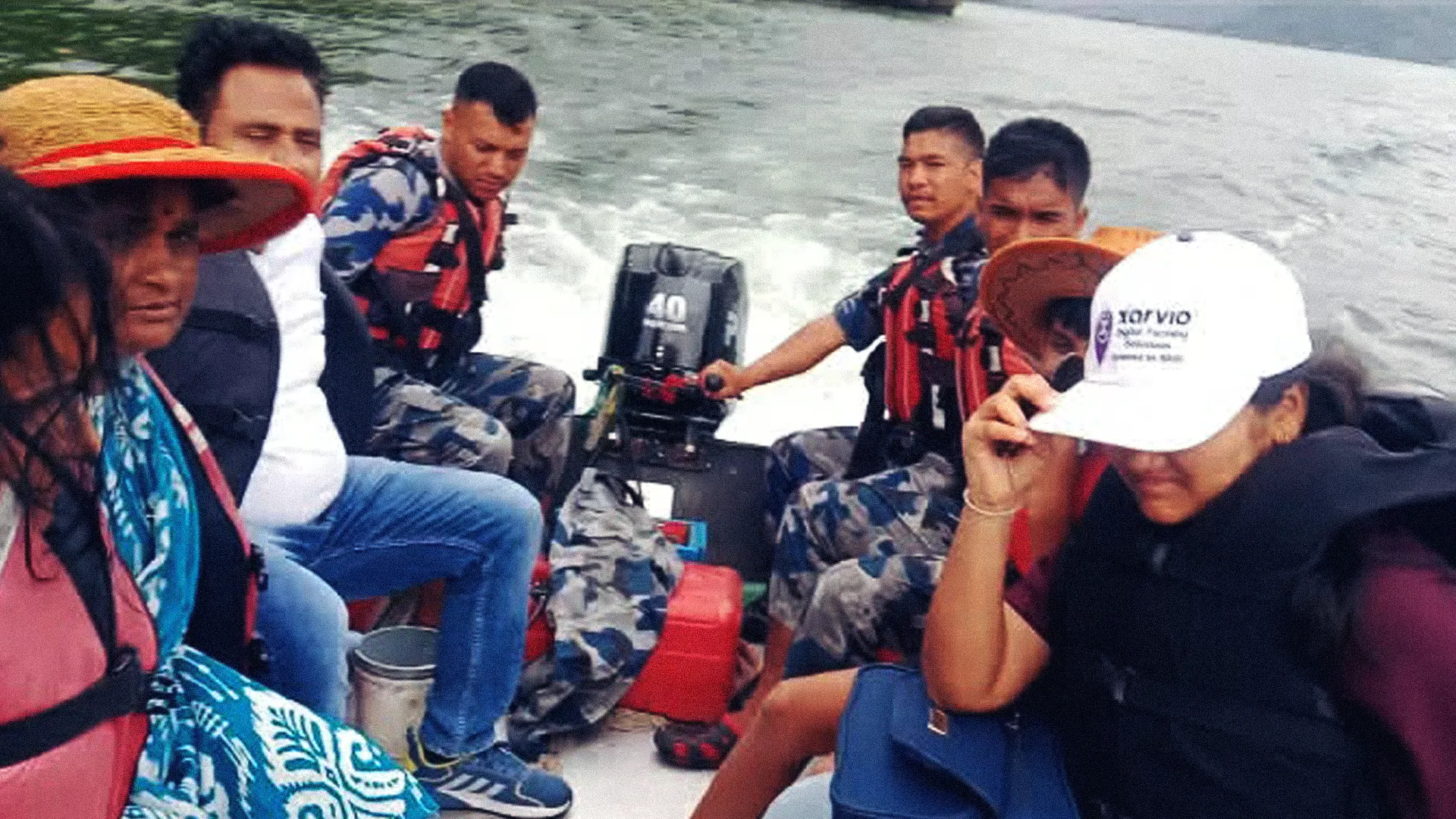
He also flagged implementation gaps in trekking governance, including delays in enforcing mandatory guides for individual trekkers and stalled rollout of the TIMS (Tracking Information Management System), despite consensus. Incidents involving missing trekkers and difficult rescues, he said, harm destination image.
Connectivity remains a concern. Prolonged road travel times between Kathmandu and Pokhara—often remembered by visitors as 12 hours or longer—continue to shape negative perceptions. Acharya called for rapid improvements in road conditions, realistic airfares, and stronger international expansion by the national carrier to widen options.
Referencing global branding of Pokhara as a “BRI-linked” airport, Acharya said political debates aside, the business community’s priority is clear: state-built airports must operate effectively. He argued that Kathmandu alone cannot carry demand and urged practical operations at Pokhara and Gautam Buddha International Airport.
He further warned against practices such as overcharging, scams, and “fake rescues,” and cautioned that unmanaged trail development risks long-term damage. Acharya called for protecting heritage routes, adopting alternative development models, and setting clear policies to conserve Himalayan areas.
His message was unequivocal: without flight expansion, security systems, and sustained international promotion, infrastructure alone will not deliver tourism goals.