


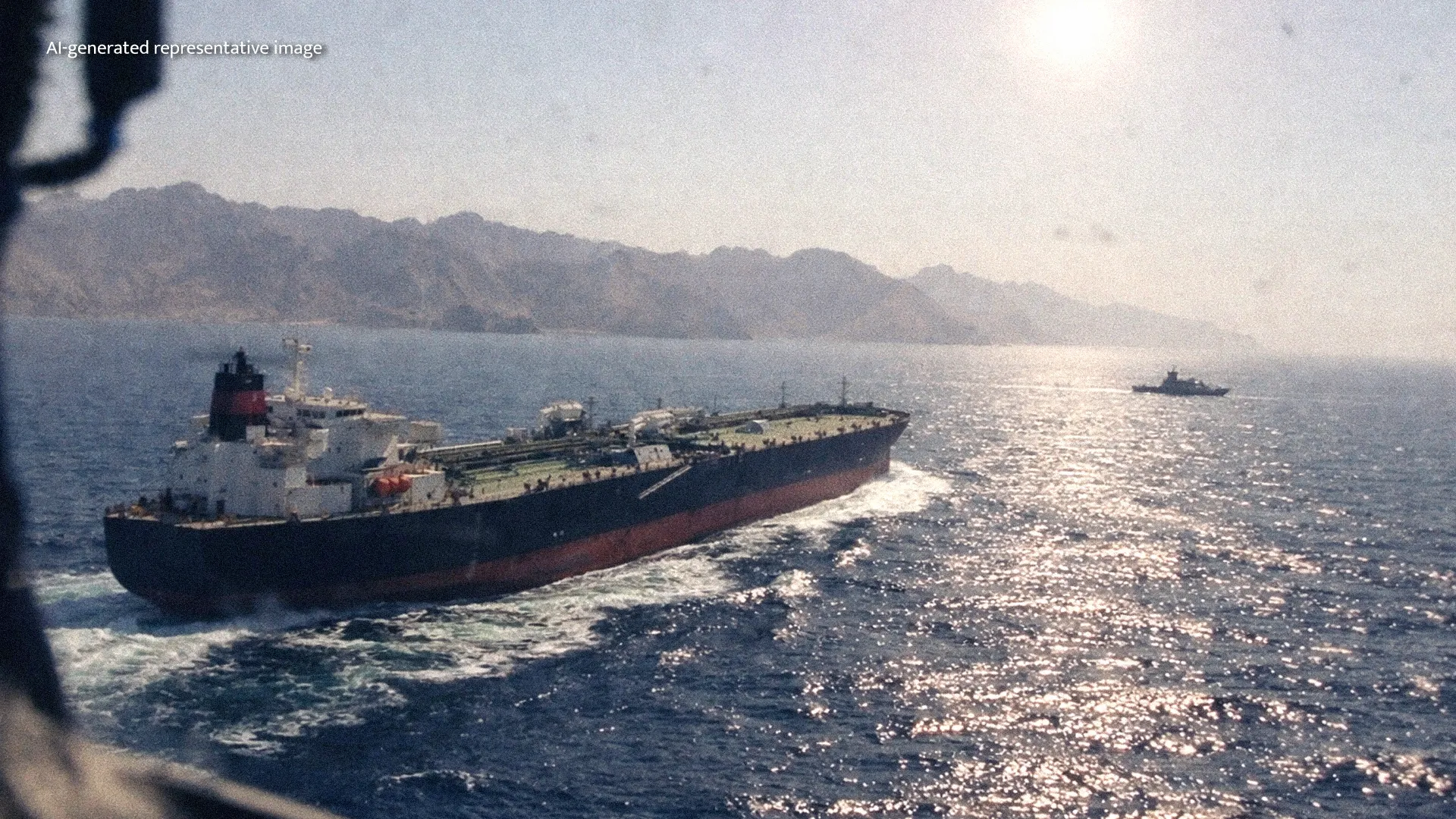
A maritime attack on a Qatari LNG tanker bound for Pakistan near the Strait of Hormuz has dealt a major blow to Islamabad's energy security, underscoring the acute vulnerability of international energy transit corridors.
The Marshall Islands-flagged vessel, 'Al Mayda,' came under attack on Friday while navigating the strategic choke point, according to a Bloomberg report published on November 1.
Sources with direct knowledge revealed that Pakistan had engaged in active diplomatic outreach with Iran to ensure the ship's safe passage. Iranian officials had reportedly signaled positive assurances for safe transit just hours before the vessel was targeted.
Because Pakistan relies heavily on imported fuel to satisfy its power demands, mounting security tensions in the Gulf threaten to destabilize its economy and energy management. As the Strait of Hormuz remains a critical artery for global oil and gas shipments, any security disruption carries broader implications for international fuel supplies and price stability.
The failure to prevent the strike despite prior diplomatic understandings illustrates the heightened hazards facing energy transport in volatile waters. Escalating tensions are likely to compel regional powers and global markets to re-evaluate maritime security frameworks and diplomatic guarantees for commercial vessels.