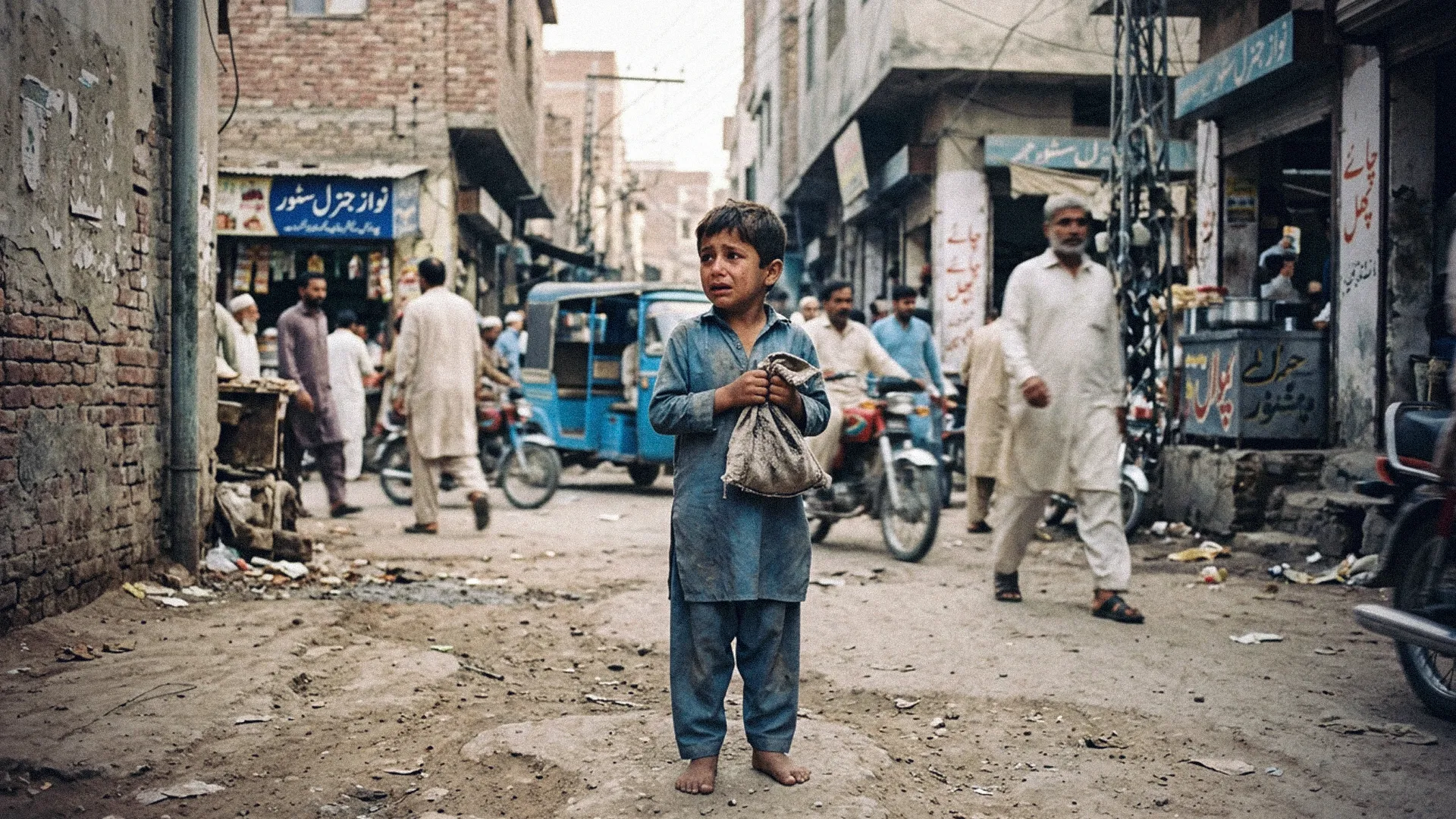




Pakistan is falling behind regional neighbors like India, Bangladesh, and Nepal in combating hunger and malnutrition, driven by limited job opportunities for women, severe climate shocks, and compounding economic distress.
According to a report published by Japanese media outlet Nikkei Asia on October 22, 2026, the country's food security crisis is deeply tied to broader socioeconomic challenges that disproportionately impact women and children. Experts point out that restricted employment for women drastically limits family incomes, impairing household purchasing power and restricting access to essential nutrition and healthcare services.

Interested in this ad?
Would you like to continue to the link or provide your information for more details?
Please provide your information
To continue, please fill in your details
Climate change has further exacerbated agricultural risks across the nation. Extreme heat waves and recurring climate disasters threaten crop yields and destabilize food supply chains. A stark example occurred in August 2025, when massive floods in Punjab province forced displaced residents to rely heavily on emergency food relief, underscoring the severe vulnerability of farming-dependent communities to natural shocks.
Addressing these structural deficits requires long-term policy interventions and targeted social protection programs. Expanding economic opportunities for women, strengthening disaster preparedness, and investing in climate-resilient agriculture will be vital for Pakistan to secure its food systems and bridge the regional gap.