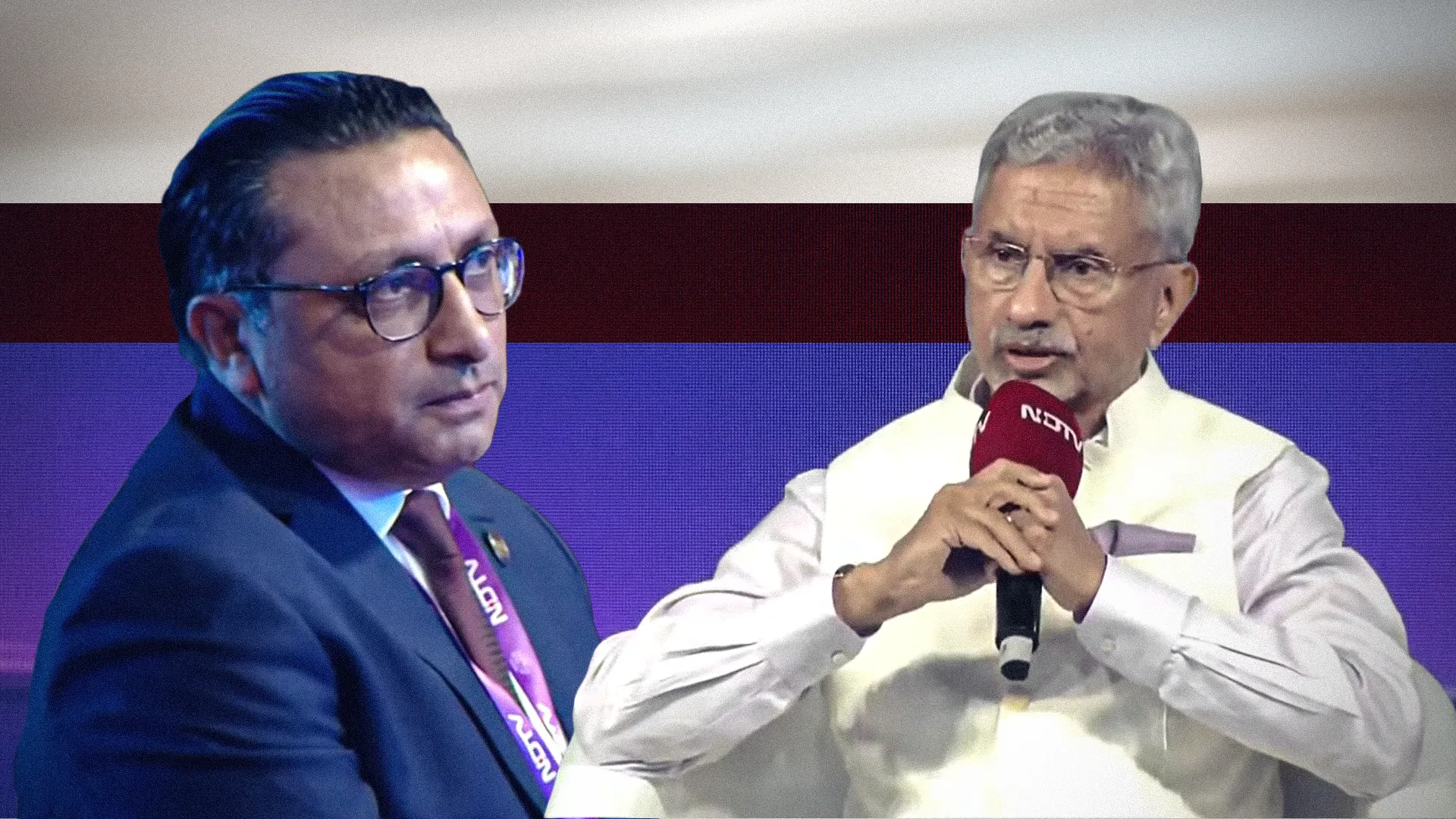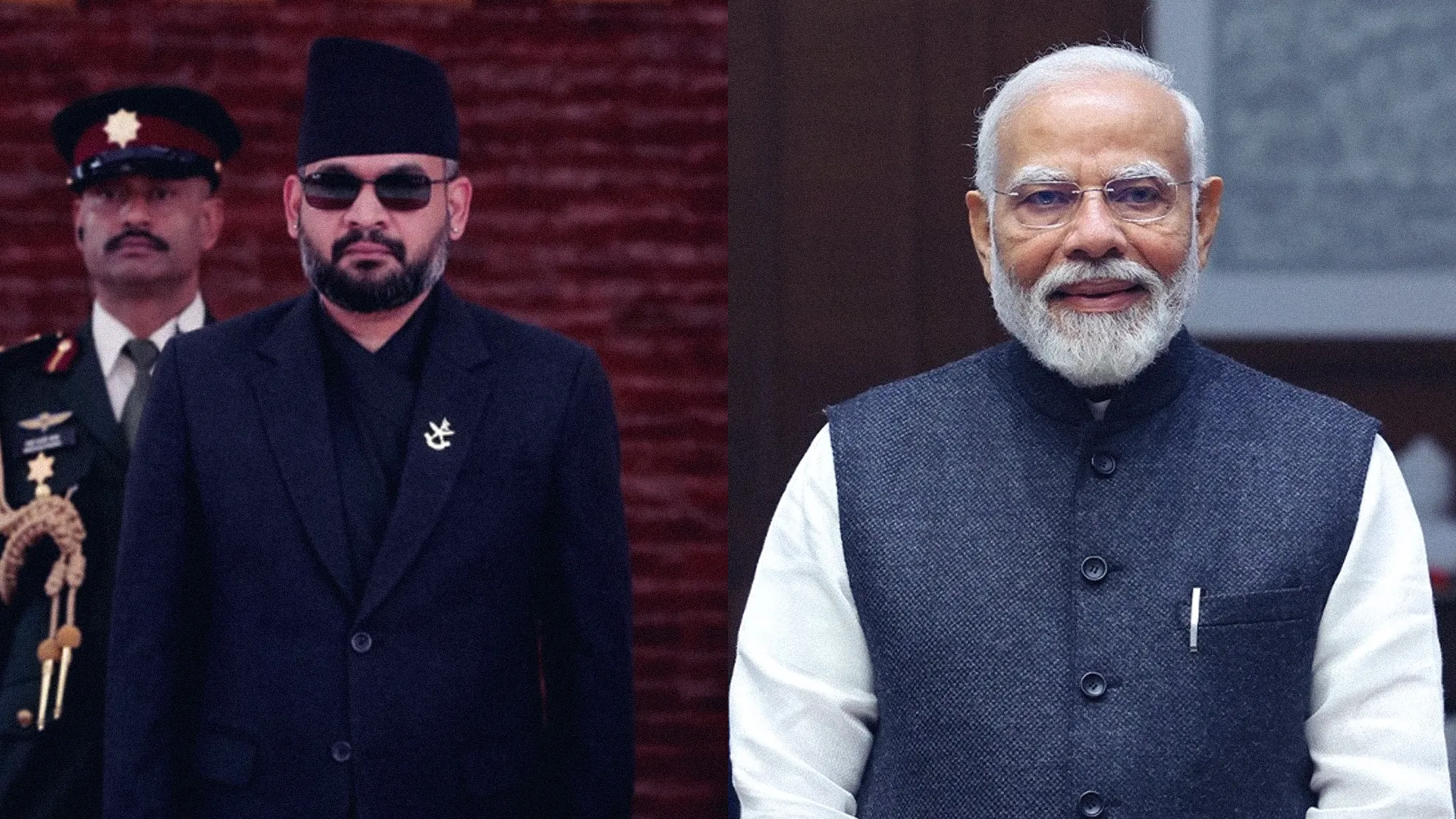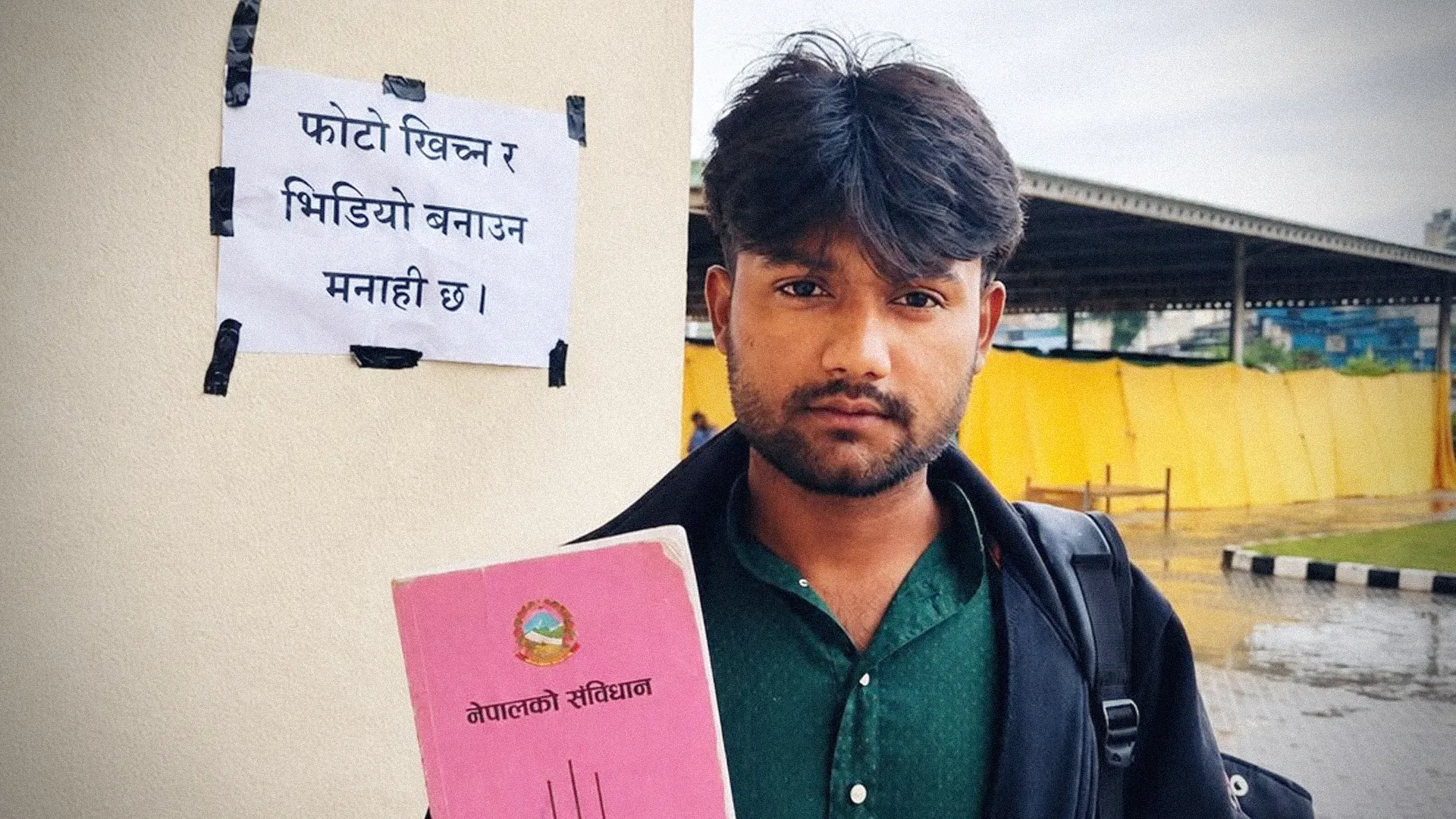



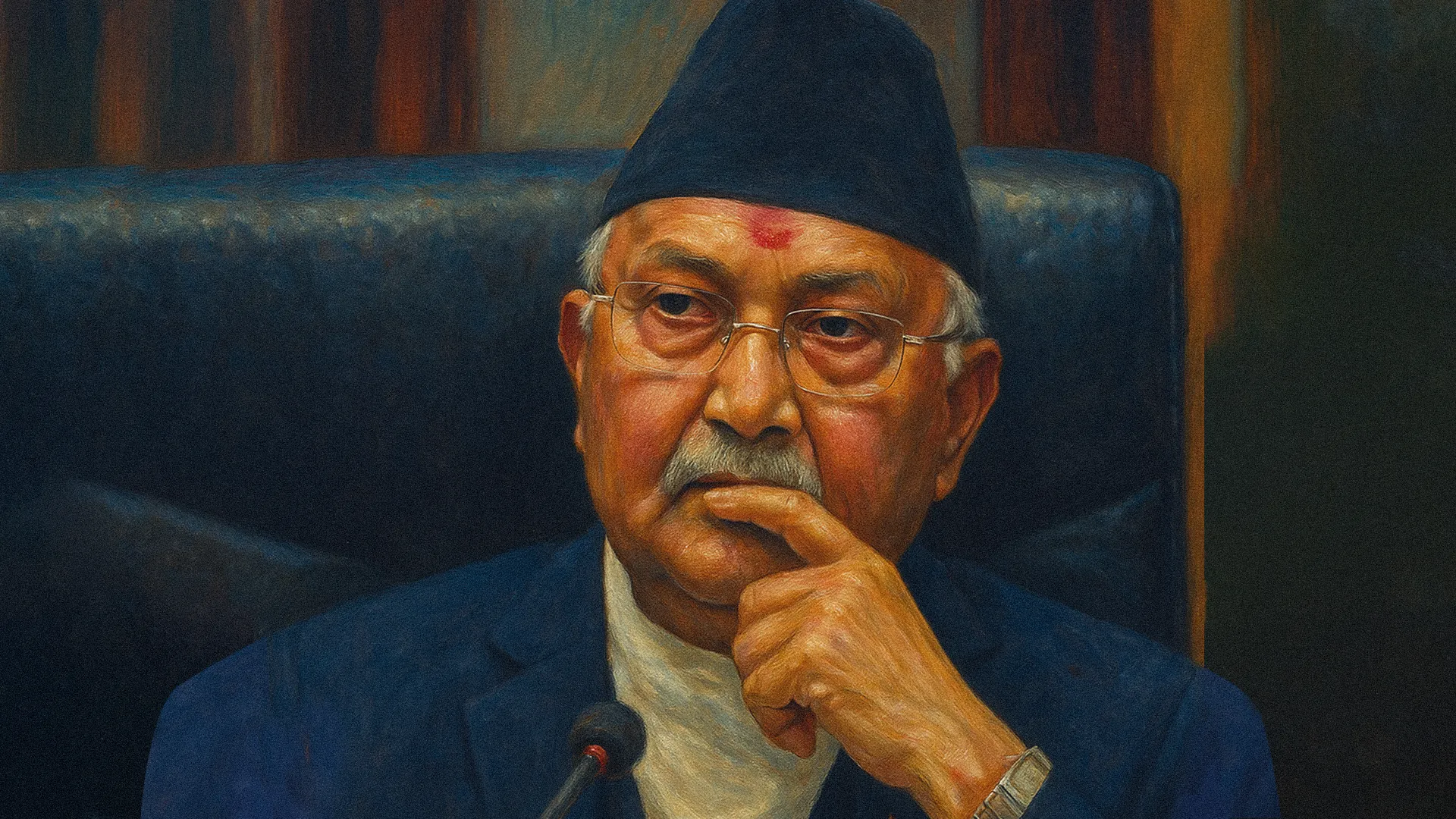
Former Prime Minister K.P. Sharma Oli is facing an unprecedented political crisis in his own backyard. Following the ripple effects of the September 8 and 9 "Gen-Z movement," Jhapa-5—long considered his impenetrable electoral fortress—has transformed into a focal point of intense voter rebellion. Field reports and recent public video testimonies reveal a stark reality: local constituents are openly withdrawing their support, declaring they will no longer vote for him, and actively demanding his retirement from politics.

Interested in this ad?
Would you like to continue to the link or provide your information for more details?
Please provide your information
To continue, please fill in your details
The core of this massive structural fracture lies in decades of unfulfilled developmental promises. Voters have grown deeply disillusioned with the prioritization of controversial, high-budget mega-projects like the local view tower and industrial zones, which have yielded little to no tangible economic benefits. Citizens are aggressively pointing out the glaring gap between these lavish expenditures and the severe lack of basic necessities, such as functional hospitals, job creation, and transparent governance.
Public frustration is further compounded by Oli’s increasingly alienated leadership style. Local constituents have expressed exhaustion over his rigid rhetoric, political polarization, and intolerance for criticism, which many describe as overly arrogant. Furthermore, his dismissive public reaction to the recent youth-led Gen-Z protests has only deepened the disconnect, especially as ordinary citizens continue to battle crushing inflation, a severe employment crisis, and massive youth out-migration.
Adding fuel to the fire is the resurfacing of past administrative controversies. Old wounds regarding the health equipment procurement scandals and questionable political appointments have reignited public debates about the moral integrity and accountability of the current leadership. The electorate is no longer willing to overlook these breaches of the rule of law, viewing them as systemic failures rather than isolated incidents.
Consequently, a powerful demand for a generational shift in political leadership has taken root in Jhapa-5. Young voters are aggressively pushing for new frameworks of representation that prioritize accountability over party loyalty. This local earthquake suggests that the traditional methods of retaining political power are becoming obsolete, signaling a potential nationwide shift where the electorate's demand for modern, responsible leadership will ultimately dictate the country's political trajectory.